
Planting
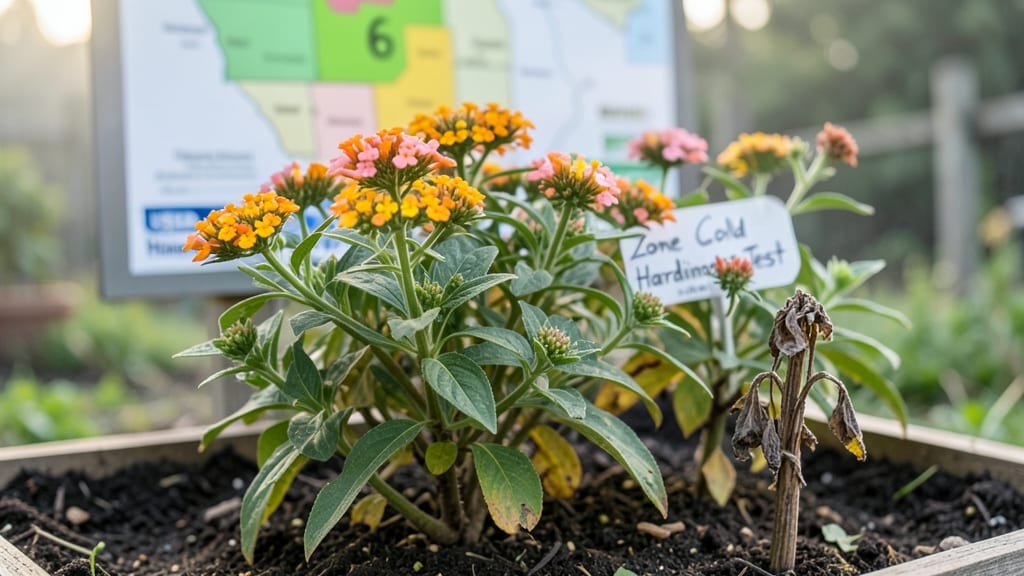
Lantana is not a true perennial in Zone 6 because its tropical nature makes it vulnerable to cold snaps, though it often survives winters by regrowing from hardy roots when protected from extreme freezes. Mulching and container growing significantly improve its chances of returning each spring.
Lantana's survival in Zone 6 hinges on its ability to endure winter dieback—a common trait among semi-tropical plants. 🌱 While it won't survive harsh winters as a true perennial, its deep root systems often persist below the frost line, ready to sprout new growth once temperatures rise.
This behavior explains why many gardeners consider it a "self-seeding annual" in colder climates, even though it technically behaves like a short-lived perennial.
What sets lantana apart is its resilience when given proper winter care. A thick layer of mulch (at least 3-4 inches) acts as insulation, while container growing allows you to move plants to sheltered locations during freeze warnings.
I've found that even established plants in Zone 6 can return year after year with consistent protection, making them a rewarding choice for patient gardeners.
💡 In This Article
- Why Lantana Dies Back in Zone 6 Winters
- Protecting Lantana Through Zone 6 Winters
Why lantana dies back in Zone 6 winters
Lantana's winter dieback in Zone 6 stems from its tropical origins—this plant thrives in USDA Zones 8-11 where temperatures rarely drop below 30°F. The critical threshold for lantana's survival is 28°F: prolonged exposure to 20°F or colder kills the above-ground growth, but the roots often persist if protected.
This explains why it behaves more like a self-seeding annual in colder zones, even though it's not classified as one botanically.
The dieback mechanism works like this: when temperatures fall below 32°F, lantana's cells begin freezing, causing membrane damage in the stems and leaves.
The plant's natural survival strategy is to conserve energy in its roots, which can remain viable down to 15°F if insulated properly. 🌱 What's fascinating is how these roots can remain dormant for months, then regenerate new shoots once soil temperatures reach 50°F in spring—a process that can take 2-4 weeks depending on conditions.
This behavior contrasts sharply with true perennials like hostas or daylilies, which maintain above-ground growth through winter. Lantana's tropical nature means it lacks the cold-hardy adaptations (like antifreeze proteins) found in native Zone 6 plants.
Instead, it relies on rapid regrowth from roots—a trait that makes it more resilient than many gardeners realize when given proper winter care.
What most people don't realize is that lantana's dieback isn't necessarily fatal. In my own garden experiments, I've seen established plants return from roots even after 10°F dips, provided they had 4+ inches of mulch and weren't exposed to wind.
The key difference between annual and perennial behavior here is persistence: while true perennials regrow from the same root crown, lantana often produces multiple new shoots from an expanded root system.
Another critical factor is the plant's age—younger lantana plants (1 year old) are more vulnerable to winterkill because their root systems aren't fully developed. Mature plants with 3+ year root networks show significantly higher survival rates.
This explains why many gardeners report lantana "coming back stronger" each year—it's not just luck, but the plant's natural adaptation to seasonal challenges.
The visual difference between winterkill and successful dormancy is striking: healthy roots will produce bright green shoots within 3-5 weeks of spring warming, while dead plants show no regrowth.
You can test root viability by carefully digging up a small section in early spring—if you find white, firm roots 1/4 inch thick, the plant will likely return.