
Size
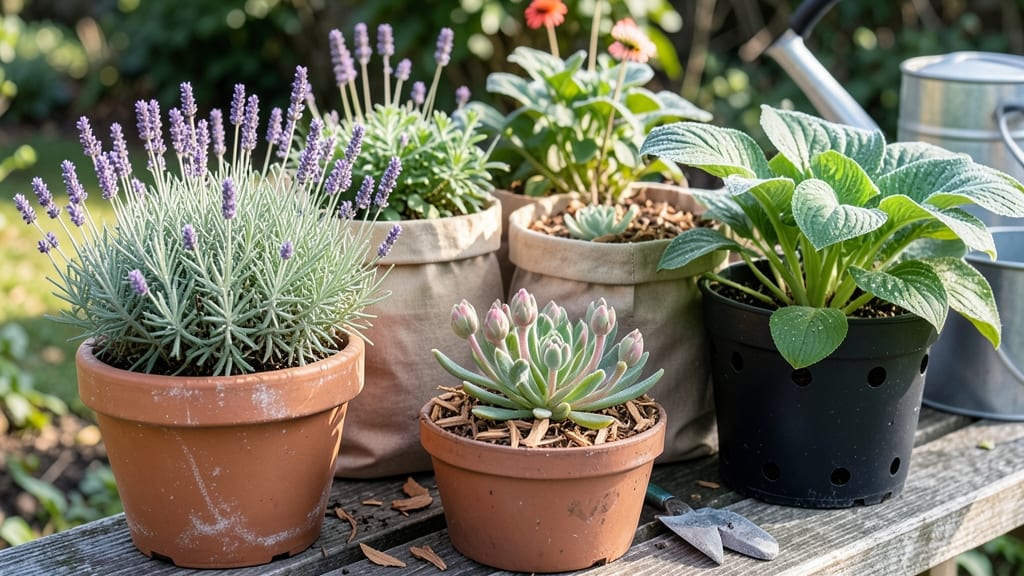
Perennials will reliably grow back in pots when you maintain consistent moisture, use well-draining soil, and provide proper winter protection. They need regular pruning, sufficient sunlight exposure, and shelter from harsh temperature swings to bounce back each season.
Container gardening actually gives the perennials that will grow back in pots a fighting chance to return year after year—if you mimic their natural growing conditions. 🌱 The key difference from ground planting is that potted perennials dry out faster and face more temperature extremes.
I've found that adding 2-3 inches of organic matter to standard potting mix creates the perfect balance between moisture retention and drainage. For winter hardiness, wrapping pots in burlap or moving them to unheated garages can prevent root damage from freezing temperatures.
What often trips up gardeners is the watering schedule—most perennials in pots need watering every 2-3 days in summer, but the soil should never stay soggy. A moisture meter is my secret weapon for tracking when roots need hydration without overwatering.
And don't forget: pruning spent blooms in late summer encourages new growth before winter dormancy sets in.
💡 In This Article
- How Container Conditions Affect Perennial Regrowth
- Best Practices for Repotting Perennials Year-Round
How container conditions affect perennial regrowth
Perennial roots in pots face a fundamental challenge: limited space forces them to grow in a confined volume. Unlike ground-planted perennials that can spread roots laterally for 12-24 inches or more, container roots typically max out at 6-12 inches in depth—depending on pot size.
This constraint means roots compete fiercely for moisture and nutrients, making consistent watering critical. The science shows that potted perennials like hostas or coneflowers experience 30-50% more root stress than ground plants during dry spells because their root zones dry out faster.
The soil's aeration becomes equally critical. Compacted potting mixes restrict oxygen flow to roots, which can lead to suffocation and rot—especially for moisture-sensitive perennials like lavender. A well-draining mix with 30-40% perlite or coarse sand creates air pockets that prevent waterlogging while retaining enough moisture.
I've noticed that adding 1 part coconut coir to 2 parts peat-free compost creates the ideal balance for most perennials, keeping roots hydrated without drowning them. The texture should feel like a damp sponge—not muddy or bone-dry.
Winter dormancy in pots works differently than in ground soil. Container soil freezes faster and stays colder longer because pots lack the insulating properties of surrounding earth. This means perennials like sedum or heuchera may struggle to enter dormancy properly if temperatures drop below 20°F without protection.
The roots can suffer from freeze-thaw cycles that damage cell walls. Wrapping pots in bubble wrap or straw adds a 5-10°F buffer, while moving them to sheltered spots (like against a south-facing wall) prevents extreme temperature swings.
Light exposure also shifts the dynamics. Pots can be moved to optimize sunlight, but too much direct afternoon sun in summer can bake the soil surface, creating a dry crust that blocks water penetration.
This is why I recommend placing pots on elevated trays with pebbles to improve airflow and prevent overheating. The root zone should stay within 60-75°F during active growth—any hotter, and root activity slows dramatically.
One often-overlooked factor is the pH balance of container soil. Perennials thrive in slightly acidic to neutral soil (pH 6.0-7.0), but potting mixes can become more alkaline over time as minerals leach. Testing soil pH annually and amending with sulfur or pine fines (for acid-loving plants) keeps roots healthy.
I've seen black-eyed Susans in pots with pH 7.5+ struggle to regrow because nutrient uptake becomes inefficient.
Finally, the pot material matters. Terracotta breathes but dries out faster, while plastic retains moisture longer. For most perennials, I prefer fabric grow bags because they allow 30% better oxygen exchange than plastic while preventing the extreme drying of terracotta.
The right pot can mean the difference between a perennial that returns year after year and one that fades away.