
Flowers
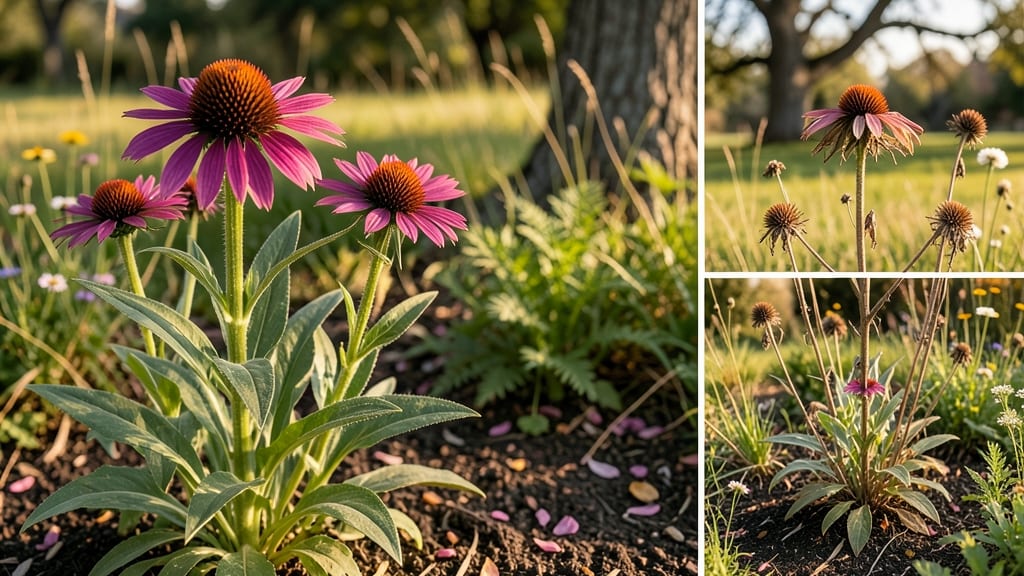
Perennials don't flower every year—they follow a natural dieback cycle, producing blooms in spring/summer before entering dormancy, with cold winter periods often required to restart growth. Their long-term flowering depends on proper seasonal care.
This annual bloom cycle is actually a survival strategy. Many perennials store energy underground during winter, then redirect it to flower production when conditions are right. 🌱 For example, peonies and hostas may skip blooming in their first year or two while establishing roots.
Even established plants can miss a bloom year if they're stressed by drought, poor soil, or improper pruning. The key is understanding each plant's specific needs—some need full sun to trigger flowering, while others prefer partial shade.
What's interesting is how temperature plays a role. Some perennials, like coneflowers, require a period of cold dormancy to set flower buds for the next season. Others, particularly tropical perennials, may bloom year-round in warm climates but still follow a reduced cycle in cooler regions.
This is why gardeners in different zones sometimes see different bloom patterns with the same plant species.
💡 In This Article
- Understanding Perennial Dieback and Bloom Cycles
- How to Encourage Reliable Annual Blooms in Perennials
Understanding perennial dieback and bloom cycles
The dieback cycle in perennials is a finely tuned biological process that balances growth, reproduction, and survival. When temperatures drop below 50°F in fall, many perennials enter dormancy to conserve energy. During this period, they store carbohydrates in their roots and rhizomes—think of it like a plant version of hibernation.
This stored energy fuels next year's growth and flowering. For example, peonies can store enough energy in their thick roots to produce 50-100 blooms per plant when conditions are ideal.
Daylight length plays a crucial role too. Most temperate-zone perennials are "long-day" plants, meaning they need 14-16 hours of daylight to trigger flowering. This explains why many perennials bloom in late spring or summer when daylight extends.
The hormone florigen, produced in leaves during long daylight periods, signals the plant to form flower buds.
Without proper daylight exposure, some perennials may produce fewer blooms or skip flowering entirely. 🌿 For instance, bearded iris requires at least 6 hours of direct sunlight daily to develop its signature blooms.
Age also affects flowering patterns. Young perennials often prioritize root establishment over blooming—a phenomenon called "juvenile phase." For example, hostas typically don't flower until they're 3-5 years old and have developed a robust root system. Even mature plants may skip blooming if they're stressed.
Drought conditions can cause up to 30% reduction in flower production by diverting energy to root survival rather than reproduction. Similarly, over-fertilizing with nitrogen promotes leafy growth at the expense of flowers.
Some perennials have built-in bloom cycles that go beyond annual patterns. Biennials like foxgloves flower in their second year, then die back. Others, like some varieties of Helleborus (Lenten rose), may produce fewer blooms every few years as a natural energy conservation mechanism.
This isn't failure—it's part of their life strategy to ensure long-term survival in fluctuating environments. The key is recognizing each plant's unique rhythm rather than expecting consistent annual performance.
Temperature extremes can dramatically alter bloom cycles. While many perennials need cold periods to break dormancy, prolonged exposure to below 20°F can damage flower buds before they open. Conversely, mild winters may prevent proper dormancy, leading to weak or delayed blooming.
This is why gardeners in warmer climates sometimes see different bloom patterns with the same perennials compared to colder regions. For example, Russian sage may bloom continuously in Zone 9 but produce just one flush in Zone 5.
Understanding these natural cycles helps explain why your garden might look different from year to year. What appears to be a "problem" is often just the plant following its biological programming.
The good news? With proper care—including appropriate pruning, soil preparation, and seasonal adjustments—you can help perennials optimize their flowering potential while maintaining their long-term health. 💫