
Flowers
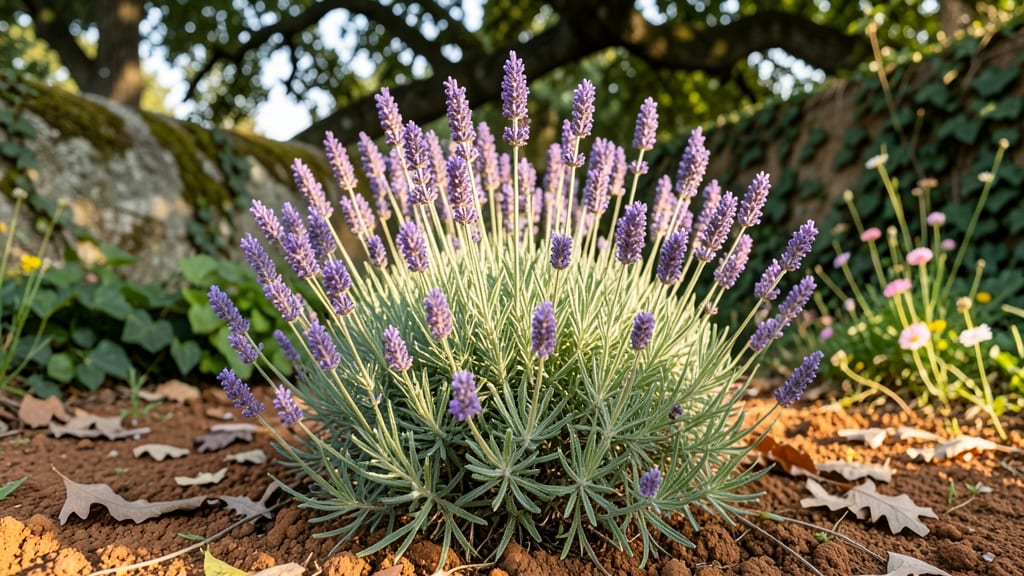
Lavender is not an annual but a perennial plant that returns each year, though it may appear dormant or die back in winter, regrowing from its root system once temperatures rise. Proper care ensures long-term growth beyond a single season.
Lavender's perennial nature means it lives for multiple years, but its woody stems often die back in winter, creating confusion. 🌿 The key is its deep root system, which stores energy and stays alive underground even when above-ground growth seems gone.
This hardy plant thrives in USDA zones 5-9, where it naturally enters dormancy during cold months before rebounding in spring.
What sets lavender apart is its ability to regenerate from the base rather than from seeds. This means even if the stems look dead in winter, the roots remain active and ready to sprout new growth when conditions improve.
For gardeners, this means lavender can live for decades with proper care—pruning in late summer and avoiding overwatering are crucial for maintaining its perennial vigor.
💡 In This Article
- Understanding Lavender’s Perennial Life Cycle
- Year-Round Lavender Care for Long-Term Growth
Understanding lavender’s perennial life cycle
Lavender's perennial status comes from its specialized root system and woody stems. Unlike annuals that complete their life cycle in one season, lavender plants develop a robust root network that extends 1-2 feet deep into the soil.
These roots store carbohydrates and nutrients, allowing the plant to survive harsh winters in dormancy. The woody stems at the base contain meristematic tissue—growth cells capable of regenerating new shoots when conditions improve. 🌱
What makes lavender appear "dead" in winter is its natural dormancy cycle, triggered by temperature drops below 50°F. The above-ground growth dies back to conserve energy, but the roots remain metabolically active, maintaining a 5-10% moisture level to prevent freezing.
This is why lavender thrives in USDA zones 5-9—its cold hardiness allows it to endure temperatures down to -15°F when properly established. The key difference between dieback and death is that perennial lavender always has live tissue underground.
The regeneration process begins when daytime temperatures consistently rise above 60°F in spring. New shoots emerge from the base of the plant, growing from dormant buds called axillary buds located along the woody stems. This basal regrowth is what distinguishes lavender from annuals, which would need to reseed each year.
The plant's ability to regenerate from these buds means it can live for 10-20 years or more with proper care. 💚
One fascinating aspect of lavender's perennial nature is its photoperiod sensitivity. As daylight hours shorten in autumn, the plant prepares for dormancy by reducing leaf production and redirecting energy to root storage. This physiological adaptation ensures the plant can survive winter without relying on annual reseeding.
The deep roots also allow lavender to access moisture and nutrients from lower soil layers, giving it an advantage over shallow-rooted annual plants.
For gardeners, understanding this cycle explains why lavender often looks lifeless in winter but returns stronger each spring. The plant's ability to regenerate from its root crown—where the stems meet the roots—is what makes it a true perennial.
This process is similar to how asparagus or rhubarb regrow each year, though lavender's above-ground dieback is more dramatic. The key takeaway is that lavender's "death" is merely a seasonal adaptation, not an annual life cycle. ✨
What most people don't realize is that lavender's perennial nature is closely tied to its native Mediterranean climate. In its natural habitat, lavender experiences hot, dry summers and mild, wet winters—conditions that mimic the dormancy cycle seen in temperate climates.
This evolutionary adaptation allows lavender to thrive in both its native environment and cultivated gardens across multiple continents. The plant's ability to survive and regenerate makes it one of the most resilient perennials for gardeners. 🌿