
Planting
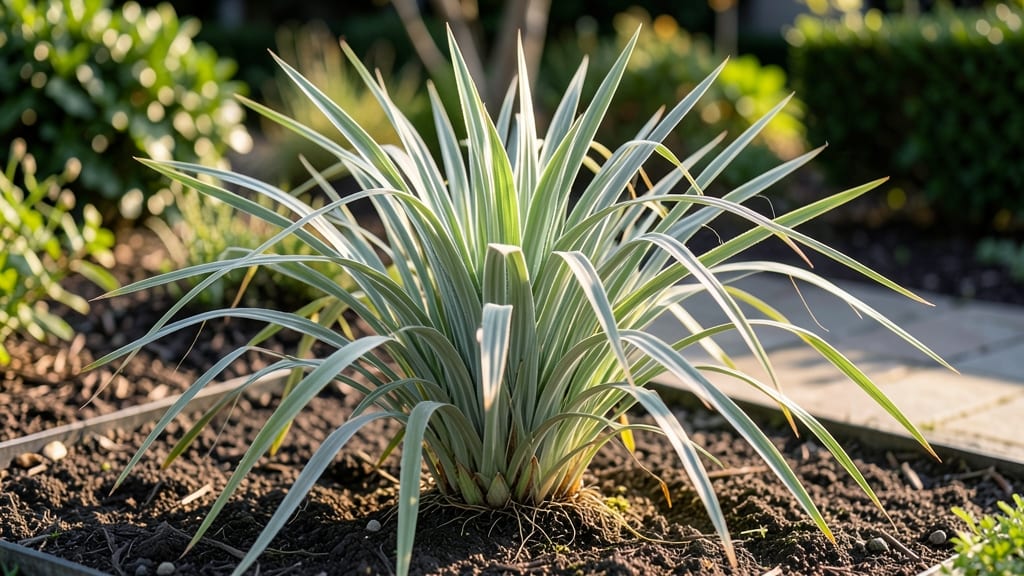
Lemongrass is not a true perennial in Zone 5, as it typically dies back to the ground in winter and must be replanted each season. However, some hardier varieties or protected plantings may survive mild winters with proper insulation or overwintering techniques.
Lemongrass thrives in tropical climates, where temperatures rarely dip below 50°F, making it highly sensitive to Zone 5's freezing winters. 🌱 While it may regrow from the base in warmer regions, the cold snaps here usually kill the entire plant down to the roots.
That said, with strategies like container overwintering or heavy mulching, you can sometimes coax it through the season—though even then, spring replanting is often necessary for consistent harvests.
For gardeners in colder areas, the key is treating lemongrass more like an annual or a semi-perennial. Start new plants each spring from cuttings or store-bought stalks, and focus on varieties like Citronella grass, which has slightly better cold tolerance.
The trade-off? You'll get fresh growth all season long, but you'll need to plan ahead for winter protection if you want to experiment with overwintering.
💡 In This Article
- Why Lemongrass Struggles in Zone 5 Winters
- How to Extend Lemongrass Survival in Cold Climates
Why lemongrass struggles in Zone 5 winters
Lemongrass originates from tropical regions where temperatures stay consistently above 60°F, making it extremely sensitive to Zone 5's cold snaps. The plant's thick, fibrous stems and hollow culms are adaptations for warm climates, not freezing conditions.
When temperatures drop below 32°F, the plant's cellular structure freezes, causing irreversible damage to both stems and roots. Unlike hardy perennials such as mint or comfrey, lemongrass lacks the ability to regenerate from dormant rhizomes or crowns in freezing soil.
The real killer is soil temperature, not just air temperature. Even if the air stays above freezing, soil temperatures in Zone 5 can plummet to 20°F or lower during winter, which is fatal to lemongrass roots.
The plant's shallow root system simply can't withstand prolonged exposure to frozen ground. 🌱 For comparison, cold-hardy perennials like asparagus can survive -20°F soil temperatures because they've evolved specialized root structures to protect against freezing. Lemongrass has no such adaptations.
What makes this particularly frustrating is how lemongrass behaves in early fall. Many gardeners notice the plant thriving through summer and even into early autumn, only to see it suddenly wilt when temperatures dip below 45°F.
This is because lemongrass is a tropical plant that grows best in 75-85°F conditions. When nights cool below 50°F, growth slows dramatically, and the plant becomes increasingly vulnerable to cold damage.
There's also the issue of plant maturity. Young lemongrass plants are slightly more cold-tolerant than mature ones because their smaller size allows them to warm up more quickly during the day. However, even young plants will struggle to survive Zone 5 winters without protection.
The plant's natural defense mechanisms—like producing essential oils for pest resistance—shift focus to survival when temperatures drop, making it more susceptible to fungal infections that thrive in damp, cold conditions.
One common misconception is that lemongrass will simply "come back" in spring like other perennials. In reality, the plant's entire structure—roots, stems, and leaves—typically dies back completely. Unlike hardy herbs that regrow from protected underground parts, lemongrass requires warm soil temperatures (65°F+) to germinate new growth.
This is why gardeners often find they need to replant from cuttings or seeds each spring to maintain a continuous harvest.