
Flowers
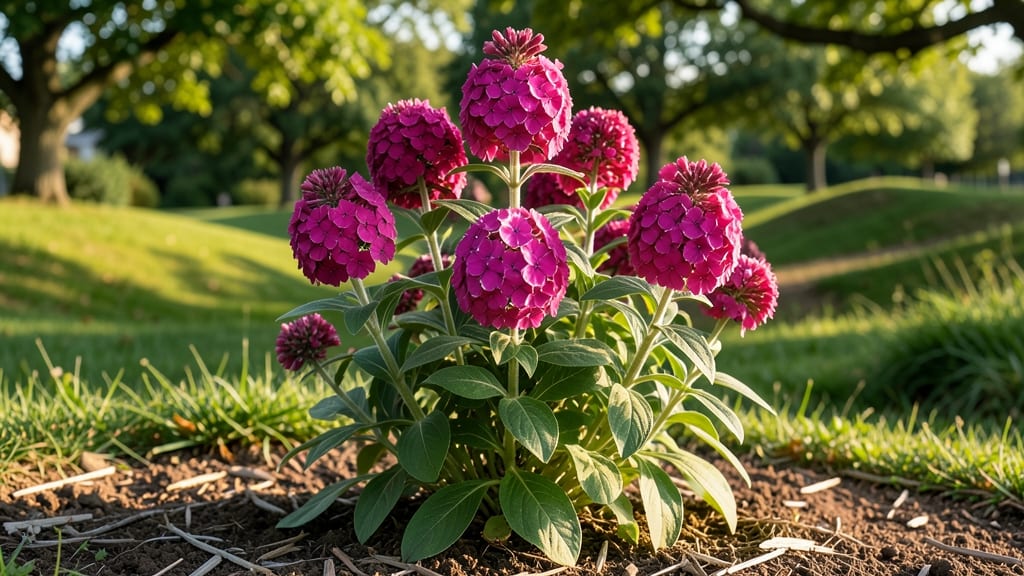
Deciding whether phlox is perennial or annual depends on the variety: most garden phlox types return yearly, while annual phlox like Phlox drummondii bloom vibrantly for one season before frost kills them. Perennial phlox varieties thrive in USDA zones 3-9, offering long-term garden presence.
Understanding whether phlox behaves as a perennial or annual comes down to its species and your local climate. 🌸 Perennial phlox varieties like garden phlox develop deep root systems that survive winter dormancy, returning with fresh blooms each spring.
Annual phlox, on the other hand, focuses all its energy on one spectacular flowering season before frost ends its cycle. The key difference lies in their hardiness—perennials endure cold winters while annuals prioritize rapid growth and showy blooms during their single season.
For gardeners in colder regions (USDA zones 3-9), perennial phlox offers year-after-year color with minimal replanting, while annual phlox provides bold seasonal displays that can be replaced each year.
This distinction affects everything from planting strategies to maintenance expectations, making it crucial to match your phlox choice to your climate and gardening goals.
💡 In This Article
- How Climate Zones Determine Phlox Perennial vs Annual Growth
- Best Phlox Varieties for Perennial Gardens and Annual Beds
How climate zones determine phlox perennial vs annual growth
The key to understanding why some phlox varieties are perennials while others are annuals lies in their cold tolerance thresholds and root system development.
Perennial phlox like garden phlox (Phlox paniculata) can survive winter temperatures as low as -30°F to -40°F (USDA zones 3-9), thanks to their deep, fibrous root systems that store energy for regrowth.
These roots can extend 12-18 inches deep, allowing the plant to access moisture and nutrients even during frozen ground conditions.
Annual phlox, such as Phlox drummondii, lack this hardiness. Their root systems are shallow (4-6 inches deep) and focus on rapid above-ground growth during their single growing season.
When frost hits, these plants die back completely because they haven't developed the energy reserves needed to survive winter dormancy. 🌱 The science behind this difference is rooted in their evolutionary adaptations—perennial phlox prioritize long-term survival through energy storage, while annuals invest all their resources into quick, showy blooms.
Your local climate zone directly impacts which phlox types will thrive. In USDA zones 3-5, perennial phlox varieties like creeping phlox (Phlox subulata) can endure harsh winters with proper mulching, while in zones 6-9, even less cold-hardy perennials will return reliably.
Annual phlox, however, perform best in warmer climates where they complete their life cycle before frost—think zones 7-10 for optimal performance. The transition zone (zone 6) is particularly tricky, as some perennial phlox may struggle without winter protection.
Temperature isn't the only factor—soil insulation plays a critical role. In colder climates, perennial phlox benefits from 3-4 inches of mulch (straw or shredded leaves) that acts like a blanket, protecting roots from freeze-thaw cycles. Annual phlox, meanwhile, don't need this protection because they're not designed to survive winter.
Their rapid growth cycle means they'll bloom within 6-8 weeks of planting, making them ideal for seasonal color displays in containers or annual beds.
What most gardeners don't realize is how day length affects annual phlox. These varieties are often short-day plants, meaning they flower in response to decreasing daylight hours—typically in late spring to early summer. This adaptation explains why annual phlox produces such vibrant blooms during their limited growing window.
Perennial phlox, however, can be long-day or day-neutral, allowing them to bloom later in the season when annuals have already finished their cycle.
Consider this practical example: In zone 4, garden phlox planted in spring will develop roots over summer, then enter dormancy when temperatures drop below 20°F. With proper care, it'll re-emerge next spring.
But if you plant annual phlox in the same zone, it'll produce stunning flowers all summer—then disappear when frost arrives, requiring replanting each year. The choice between perennial and annual phlox ultimately comes down to whether you want long-term investment or seasonal impact in your garden.
For gardeners in marginal zones (zone 6), a hybrid approach works well: plant perennial phlox in protected microclimates (like south-facing slopes) and annual phlox in containers that can be moved indoors before frost.
This gives you the best of both worlds—year-round color from perennials and seasonal variety from annuals. 🌿