
Planting
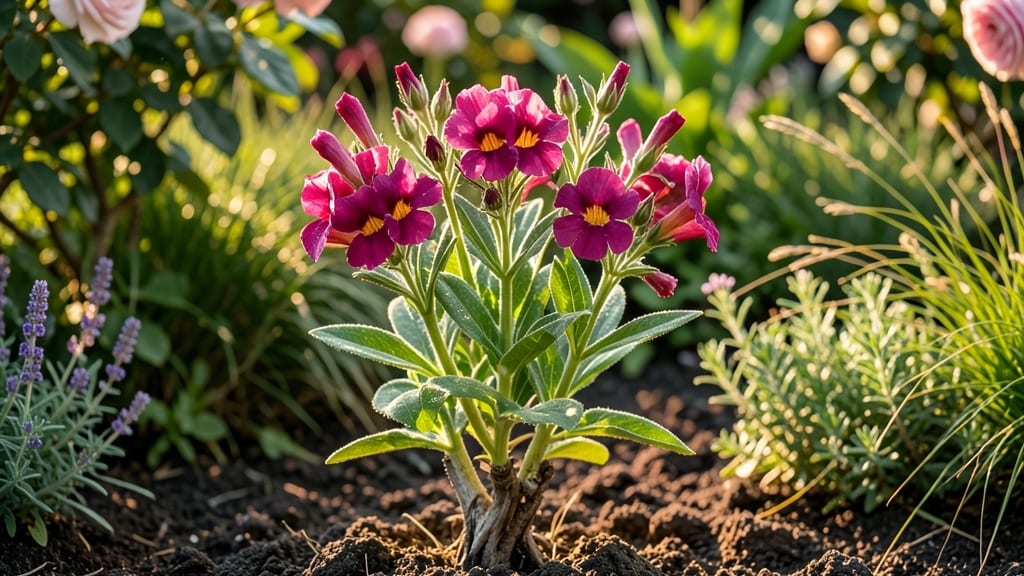
Snapdragon plants act as perennials in USDA zones 7-10 because their underground corms store essential nutrients and energy, allowing them to regenerate growth each spring. Hardy varieties like Antirrhinum majus thrive with proper mulching, while tender corms require seasonal protection or replanting.
The underground storage organs called corms are what make snapdragons perennial in suitable climates.
These thickened stems act like natural batteries, storing carbohydrates and moisture to fuel regrowth after winter dormancy. 🌱 In colder zones, the corms must be buried deep enough—typically 4-6 inches—to avoid frost damage, while in warmer regions, they naturally sprout when temperatures rise.
This biological adaptation explains why snapdragons often return year after year with minimal intervention, though their longevity depends heavily on soil conditions and winter protection strategies.
For gardeners in marginal zones, strategic mulching with straw or leaves can push the survival threshold by several degrees. Dividing mature clumps every 3-4 years also revitalizes growth, while container cultivation offers flexibility for tender varieties.
The key difference between hardy and tender snapdragons lies in their corm resilience: cold-hardy types develop thicker protective layers, while tender ones require artificial insulation during freeze events.
💡 In This Article
- How Snapdragon Corms Overwinter for Perennial Growth
- Extending Snapdragon Perennial Life with Proper Care
How snapdragon corms overwinter for perennial growth
The secret to snapdragons returning year after year lies in their corms—thickened underground stems that function like living batteries. These corms store starches, sugars, and moisture during dormancy, which is triggered by dropping temperatures and shorter daylight hours in late fall.
The biological process involves a series of hormonal changes where the plant shifts from active growth to a state of suspended animation, conserving energy until conditions improve. 🌱 What's fascinating is how these corms can remain viable for years, with some even sprouting after a decade if stored properly!
Cold-hardy snapdragons, like those in USDA zones 7-10, develop specialized protective layers around their corms that prevent freezing damage. These varieties can tolerate temperatures down to 10°F when properly mulched, thanks to natural antifreeze proteins that lower the freezing point of their cellular fluids.
In contrast, tender corms lack these adaptations and begin to deteriorate below 20°F, which is why gardeners in colder climates must take extra precautions. The depth at which corms are planted also matters—burying them 4-6 inches deep provides insulation from temperature fluctuations near the surface.
What triggers regrowth in spring is a combination of rising soil temperatures (50°F consistently) and increasing daylight hours. The corm's outer layers begin to absorb moisture, initiating cell division that produces new shoots.
This process is remarkably efficient—some snapdragons can emerge within 2-3 weeks of favorable conditions, demonstrating why they're such reliable perennials. The key difference between hardy and tender varieties isn't just temperature tolerance but also how quickly they can rebound from dormancy once conditions warm up.
Soil conditions play an equally critical role in corm survival. Well-draining soil prevents rot during winter's occasional thaws, while organic matter improves moisture retention during dry spells.
The ideal soil pH for snapdragons ranges from 6.0-7.5, which supports the microbial activity that breaks down organic material into nutrients the corms can absorb. In heavy clay soils, adding 2-3 inches of compost before planting creates a more forgiving environment for these underground storage organs.
Here's what happens if you don't protect your corms properly: In zones below 7, unprotected corms can lose 30-50% viability during harsh winters, leading to sparse or no regrowth. The damage often starts with cellular dehydration followed by ice crystal formation that ruptures cell walls.
This is why mulching with 4-6 inches of straw or leaves can make the difference between a thriving perennial and a failed garden experiment. 💫 The insulation effect can raise soil temperatures by 5-10°F, creating a microclimate that protects the corms.
For gardeners pushing the limits in zone 6 or colder, consider these advanced strategies: Planting corms in containers allows you to move them to protected locations during winter, while burying them 12 inches deep provides additional insulation.
Some enthusiasts even use heated cable systems wrapped around corm beds to maintain 35-40°F temperatures during freeze events. The science behind these methods shows how understanding the plant's dormancy cycle can extend its perennial potential far beyond its natural range.