
Flowers
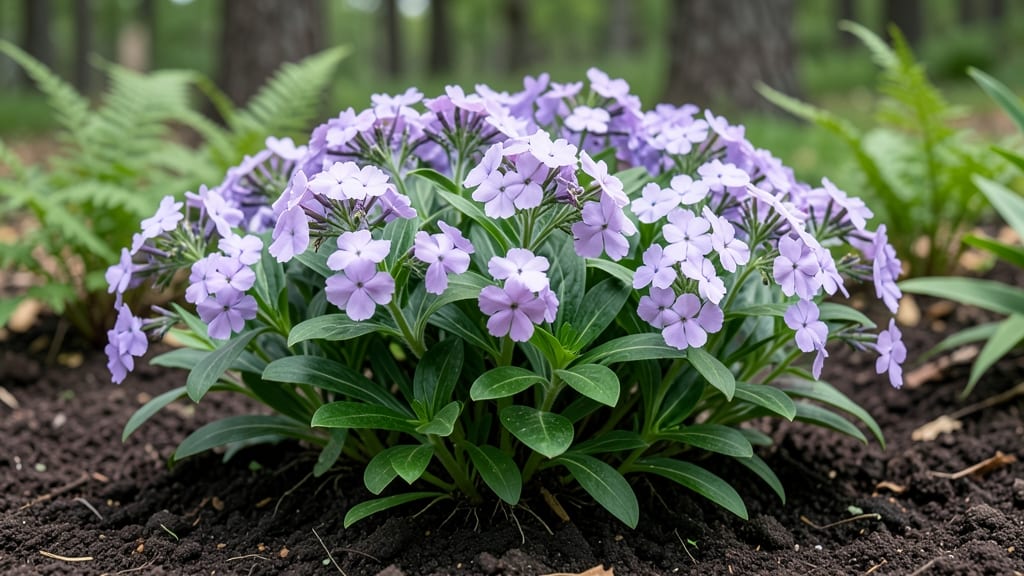
The woodland phlox perennial thrives in cold zones with shade-tolerant care, producing vibrant blooms from spring through early summer when planted in moist, well-drained soil and protected with mulch for winter. Its cold-hardy nature makes it perfect for woodland gardens and northern climates.
The woodland phlox perennial isn't just another shade-loving flower—it's a botanical marvel built for resilience. 🌿 Its deep root system taps into moisture while its woody stems survive harsh winters, making it a low-maintenance superstar for cold climates.
Unlike many perennials, woodland phlox actually prefers the dappled light of forest floors, where it thrives without competing with sun-loving plants. The key to its longevity lies in that perfect balance of moisture retention and drainage, which prevents both root rot and drought stress during summer heatwaves.
What sets this plant apart is its ability to rebloom year after year with minimal intervention. Once established, woodland phlox becomes self-sufficient, sending up fresh stems each spring from its robust root base. This makes it ideal for gardeners who want color without constant upkeep.
The secret weapon? A thick layer of organic mulch in fall—this insulating blanket protects the roots from freezing temperatures while slowly breaking down to enrich the soil.
💡 In This Article
- Woodland Phlox Adaptations for Cold Climate Survival
- Step-by-Step Guide to Planting and Maintaining Woodland Phlox
Woodland phlox adaptations for cold climate survival
Woodland phlox survives cold climates thanks to its unique botanical adaptations. The plant develops woody stems that act like natural insulation, protecting the delicate growing points from freezing temperatures down to -20°F. These stems store carbohydrates during summer, fueling early spring growth before leaves emerge.
The deep root system—extending 12-18 inches underground—anchors the plant while accessing moisture from lower soil layers where temperatures remain more stable.
The foliage itself contains high levels of antioxidants that prevent cellular damage from frost. When temperatures drop below 32°F, the leaves produce a protective waxy coating that slows water loss and ice crystal formation.
This adaptation explains why woodland phlox often greens up earlier than many spring bulbs in cold regions. The plant's ability to photosynthesize even at 40°F gives it a competitive edge in early spring when sunlight is abundant but soil is still cool.
What makes woodland phlox particularly resilient is its drought tolerance mechanism. During summer heatwaves, the plant enters a semi-dormant state where it reduces water loss through tiny pores called stomata. This adaptation allows it to survive dry spells while maintaining its vibrant blooms when moisture returns.
The combination of these traits makes woodland phlox one of the most adaptable perennials for northern climates, where winter temperatures can fluctuate dramatically.
Interestingly, the plant's blooming cycle is directly tied to these cold adaptations. The buds form in late summer when temperatures begin to cool, but remain dormant until spring warmth triggers flowering.
This timing ensures that woodland phlox blooms when few other shade plants are in flower, creating a stunning early-season display. The flowers themselves contain pigments that protect against UV radiation, which is especially important in high-altitude or northern gardens where sunlight is more intense.
One often overlooked adaptation is the plant's ability to regenerate from its root crown. Even if the above-ground stems are damaged by frost or heavy snow, the robust root system can produce new growth as soon as conditions improve.
This regenerative capacity explains why established woodland phlox plants often outlive many other perennials in challenging environments. The combination of these survival mechanisms makes woodland phlox a true woodland garden survivor.
For gardeners in cold zones, understanding these adaptations provides valuable insights. The key takeaway is that woodland phlox doesn't just tolerate cold—it uses the cold season to its advantage by storing energy and preparing for the next growing cycle.
This explains why proper winter mulching (using 3-4 inches of organic material) is so crucial—it mimics the plant's natural insulation while protecting against temperature fluctuations.