
Planting
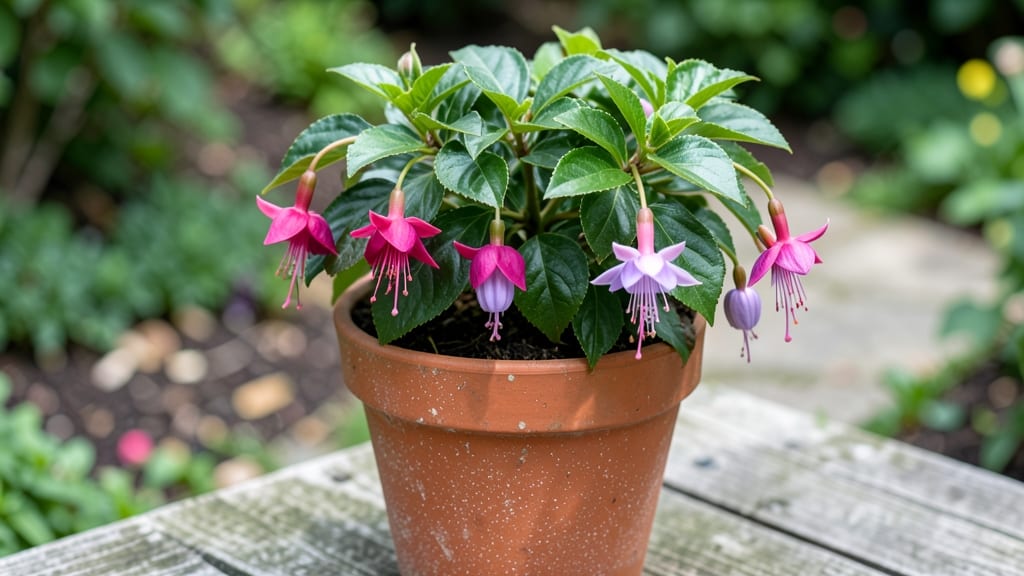
Whether fuschia plants are annuals or perennials depends on your climate: they die back in frost but thrive year-round in USDA Zones 10-12, while gardeners in colder regions treat them as tender annuals that need replanting each spring.
This distinction comes down to temperature tolerance—most fuschias can't handle freezing, which kills their woody stems and forces replanting. 🌱 In warmer zones, tropical varieties develop deep roots and survive winters with proper care, while northern gardeners often dig up tubers or bring plants indoors to extend their lifespan.
The key difference is frost sensitivity: a single hard freeze turns annuals into perennials only in the right conditions.
For example, in Zone 9, you might get away with overwintering fuschias in containers, but Zone 7 gardeners will need to treat them as annuals unless they provide protected microclimates.
The plant's natural growth cycle also plays a role—some varieties bloom prolifically in their first year, making them feel like perennials even when they're technically annuals in colder areas.
💡 In This Article
- Fuschia Cold Tolerance and USDA Hardiness Zones
- How to Overwinter Fuchsias in Cold Climates
Fuschia cold tolerance and USDA hardiness zones
The key factor determining whether fuschias thrive as annuals or perennials is their cold tolerance threshold. These plants originate from tropical and subtropical regions, where temperatures rarely dip below 40°F (4°C).
When exposed to freezing conditions (32°F/0°C or lower), the woody stems and leaves suffer irreversible damage due to ice crystal formation within plant cells. This cellular disruption causes the plant's vascular system to rupture, essentially "freezing out" the moisture that sustains growth.
In the USDA hardiness zone system, only Zones 10-12 provide the consistent warmth fuschias need to survive winter. These zones experience average minimum temperatures of 30-40°F (-1 to 4°C), but even here, brief cold snaps can be problematic.
For example, a 28°F (-2°C) spell in Zone 11 might kill back established plants, though their robust root systems often regenerate in spring. The tropical varieties like Fuchsia magellanica are slightly hardier than others, with some specimens surviving 25°F (-4°C) for short periods.
What most gardeners don't realize is how microclimates can extend a fuschia's lifespan in marginal zones. A south-facing wall or greenhouse can create a 5-10°F (3-6°C) warmer environment than the surrounding area, potentially allowing Zone 9 gardeners to overwinter container-grown specimens.
The plant's natural growth habit also plays a role—some varieties develop thicker stems when grown in cooler conditions, offering slightly better cold resistance. However, these adaptations are never enough to match the hardiness of true perennials like lavender or salvia.
Here's what happens biologically when frost hits: The plant's abscisic acid levels spike, triggering dormancy mechanisms, but the damage is already done to the above-ground structure. The roots may survive in milder freezes, but without the photosynthetic leaves and stems, the plant cannot sustain itself.
This is why you'll often see gardeners in colder zones treating fuschias as annuals—they simply can't risk the 100% mortality that comes with winter exposure.
For comparison, consider Fuchsia 'Giantess', a popular hybrid that thrives in Zones 10-11. When grown in Zone 8, it typically reaches 3-4 feet tall in its first season but dies back completely in winter.
Yet in its native Zone 11 environment, the same plant can reach 6 feet with multiple bloom cycles per year. This dramatic difference illustrates how temperature directly controls both growth vigor and survival potential.
The science of plant hardiness also explains why some gardeners successfully overwinter fuschias in protected containers. When moved to unheated garages or sheds where temperatures stay above 35°F (2°C), the plants can enter a dormant state similar to bulbs.
Their metabolic rate slows to 1-2% of normal levels, conserving energy until spring. This is the same survival strategy used by tropical plants in their natural habitats during dry seasons.