
Flowers
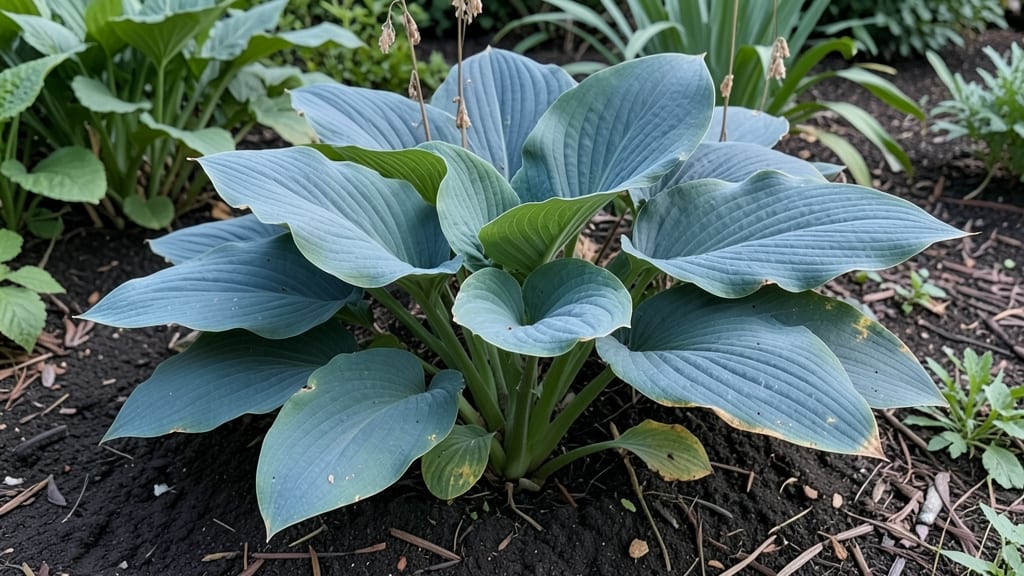
Your perennial plant leaves tell a story—one that’s easy to misread if you don’t know what to look for.
If you’ve ever stared at yellowing, browning, or curling 🌱 leaves and wondered whether your plants are doomed, you’re not alone. The good news? Most issues are fixable with the right diagnosis. Whether it’s overwatering, pests, or nutrient deficiencies, understanding the symptoms is the first step to revival.
In Zone 6a, where spring planting kicks off early, leaf problems often start small but spiral if ignored. The key is catching them early—before they spread. Below, I’ll break down the most common culprits and exactly how to turn things around, so your perennials bounce back stronger than ever.
Ready to save your plants? Let’s start with the three biggest mistakes gardeners make—and how to avoid them.
Common causes of yellow, brown, OR curling perennial leaves
When your perennial plants start showing yellow leaves, brown patches, or curling edges, it’s easy to assume the worst. But these symptoms often point to fixable issues like improper care, pests, or environmental stress.
Identifying the exact cause is key to saving your plants before damage becomes permanent. Many gardeners overlook subtle clues—like the pattern of discoloration or leaf texture—that reveal the root problem.
For example, yellowing between leaf veins often signals iron deficiency, while brown, crispy edges usually mean underwatering or salt buildup from poor soil. Curling leaves can stem from aphid infestations, drought stress, or even too much direct sun.
By learning to read these visual cues, you can diagnose issues faster and take targeted action. Let’s break down the most common causes and how to spot them in your garden.
🔍 Visual Diagnosis Guide: Use the table below to match symptoms with likely causes. For instance, if your hostas show yellowing leaves with brown spots, check for fungal diseases like leaf spot. If sedum leaves curl upward, it might be heat stress or root-bound conditions.
One of the most overlooked causes of perennial leaf problems is improper watering. While underwatering causes crispy edges, overwatering leads to yellowing leaves and root rot. Test your soil’s moisture by sticking your finger 1-2 inches deep.
If it’s dry, water deeply; if it’s soggy, hold off until the topsoil dries. Morning watering is ideal—it reduces evaporation and fungal risks. I’ve seen hostas revive completely after adjusting their watering schedule from daily shallow watering to deep soaks twice a week.
Nutrient deficiencies are another top culprit, especially in poor or compacted soil. Iron chlorosis (yellowing between veins) is common in alkaline soils and affects plants like hydrangeas and azaleas. Amend your soil with compost or use chelated iron supplements. For magnesium deficiency (yellow patches between veins), apply Epsom salt (1 tbsp per gallon of water) every 4-6 weeks. Always test your soil’s pH level—perennials like blueberries need acidic soil (pH 4.5-5.5), while lavender thrives in alkaline soil (pH 7.0-8.0).
Pests like
When your perennial plant leaves start showing yellowing edges, brown spots, or curling, it’s time to act fast. These symptoms often point to specific issues like nutrient deficiencies, fungal infections, or environmental stress. The good news? Most problems have straightforward fixes if you know what to look for. Below, I’ll walk you through targeted solutions based on the exact symptoms you’re seeing, so you can revive your plants and keep them lush and healthy. Before diving into fixes, grab a soil test kit and a magnifying glass—these tools will help you diagnose the problem accurately. Check the undersides of leaves for pests, inspect the soil for moisture levels, and note whether the issue appears on new growth or older leaves. This detective work will save you time and ensure you’re treating the right problem. Once you’ve identified the symptom, follow the steps below to restore your perennials to their former glory. Once you’ve addressed the immediate issue, focus on preventative care to keep your perennials thriving. Regularly inspect leaves for early signs of stress, and adjust your watering schedule based on seasonal changes. For example, deep watering once a week in summer is often better than daily shallow watering, which can encourage root rot. If you’re unsure about the cause, keep a gardening journal to track symptoms, treatments, and outcomes—it’s a game-changer for long-term plant health. Remember, perennial plants are resilient, and with the right care, they’ll bounce back stronger than ever. Start with the steps above, and don’t hesitate to experiment with organic amendments like compost tea or fish emulsion if your plants need a nutrient boost. Your garden will thank you with vibrant, healthy foliage all season long! 🌿Step-by-step fixes for perennial leaf problems by symptom
🌱 Fixes for Yellowing Leaves
🍂 Fixes for Brown Spots
🌀 Fixes for Curling Leaves