
Size
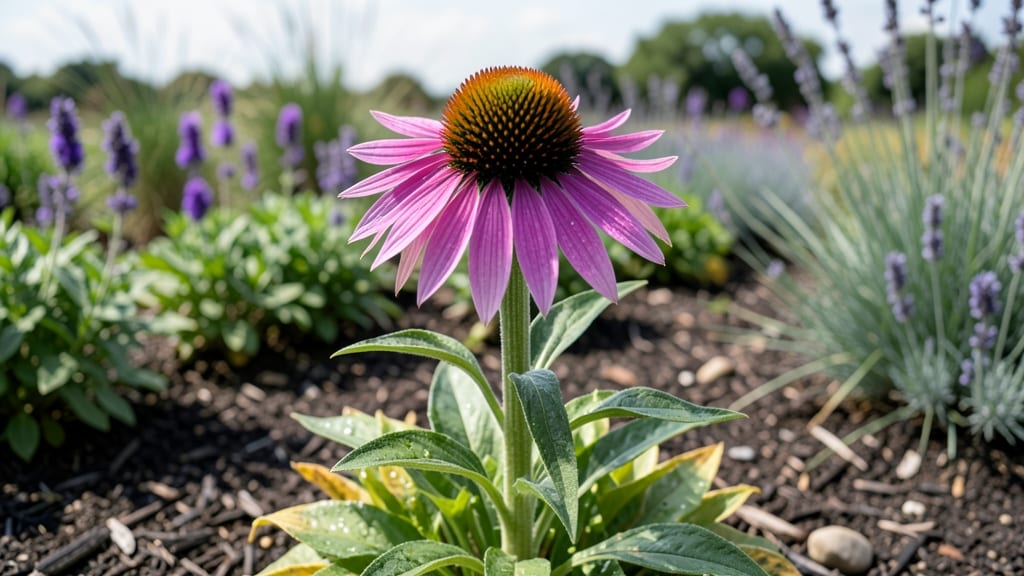
Perennials do grow back each year because they store energy in underground roots, rhizomes, or tubers, allowing them to regenerate above-ground growth when conditions improve. Proper care ensures they return stronger annually.
Perennials thrive because they've evolved to store nutrients in their roots, bulbs, or stems during dormancy. 🌱 Unlike annuals that complete their life cycle in one season, these plants invest energy underground, waiting for warmer weather to push new shoots.
Think of it like a garden's built-in survival strategy—nature's way of ensuring plants bounce back stronger after winter's rest.
What sets perennials apart is their ability to adapt. Many gardeners notice the first signs of regrowth in early spring when leaf buds begin pushing through the soil. This isn't just random growth—it's a carefully timed biological process where stored nutrients fuel new foliage.
The key to encouraging this annual return is maintaining healthy soil and proper watering during both dormant and growing seasons.
💡 In This Article
- How Perennial Plants Survive Winter with Underground Storage
- Signs Your Perennials Will Return Next Season
How perennial plants survive winter with underground storage
Perennials rely on specialized underground structures to store energy during winter dormancy. These include roots (like those of peonies), rhizomes (as in iris), and tubers (such as dahlias). During the growing season, plants convert sunlight into carbohydrates through photosynthesis, which are then transported to these storage organs.
For example, a single peony root can store enough energy to produce 3-5 new shoots the following spring, thanks to its thick, fleshy roots that act like natural batteries.
The science behind this involves a process called carbohydrate translocation, where sugars and starches are converted into storage forms like inulin (in dahlia tubers) or fructans (in daylily rhizomes).
These compounds remain stable even at freezing temperatures (-10°F to 20°F depending on the species), thanks to natural antifreeze proteins produced by the plant. This is why you'll often see perennials like hostas emerging earlier than annuals—once soil temperatures reach 40-50°F, their stored energy kicks into gear.
Dormancy is the plant's way of conserving energy during harsh conditions. During winter, metabolic activity slows dramatically, and growth hormones like auxin and gibberellin are produced in minimal amounts. This state of suspended animation allows perennials to survive without sunlight or water for months.
What's fascinating is how some species, like asparagus, can remain dormant for up to 10 years before producing their first harvestable shoots—all while storing energy underground.
When spring arrives, the process reverses as warmer temperatures trigger the production of growth hormones. The stored carbohydrates convert back into sugars that fuel new leaf and stem growth.
This is why you'll notice perennials like coneflowers or black-eyed Susans often emerge with multiple shoots—each one powered by the energy stored in their extensive root systems.
The deeper the roots, the more resilient the plant, which is why perennials with taproots (like lavender) often outlast those with fibrous root systems in challenging climates.
One common misconception is that all perennials store energy the same way. In reality, the storage mechanism varies dramatically. For instance, tuberous perennials like cannas store energy in thickened underground stems, while bulbous perennials (such as tulips) rely on modified leaves called scales.
Even the timing differs—some plants like heuchera begin storing energy as early as late summer, while others wait until fall when temperatures drop below 60°F. Understanding these differences helps gardeners provide the right care at the right time.
What most gardeners don't realize is how critical soil health is to this process. Healthy soil teeming with mycorrhizal fungi (beneficial soil organisms) can actually increase a plant's ability to store nutrients by up to 30%.
These fungi form symbiotic relationships with roots, helping them absorb water and nutrients more efficiently. This is why amending your soil with compost before winter can make a noticeable difference in how vigorously your perennials return the following spring.
Think of these underground storage systems as nature's version of a rechargeable battery—each year, perennials "charge" during the growing season and "discharge" that energy during dormancy.
With proper care, this cycle can continue for decades, which is why some century plants (like agave) can live for over 100 years while continuing to regrow annually. 💫