
Companion Plants
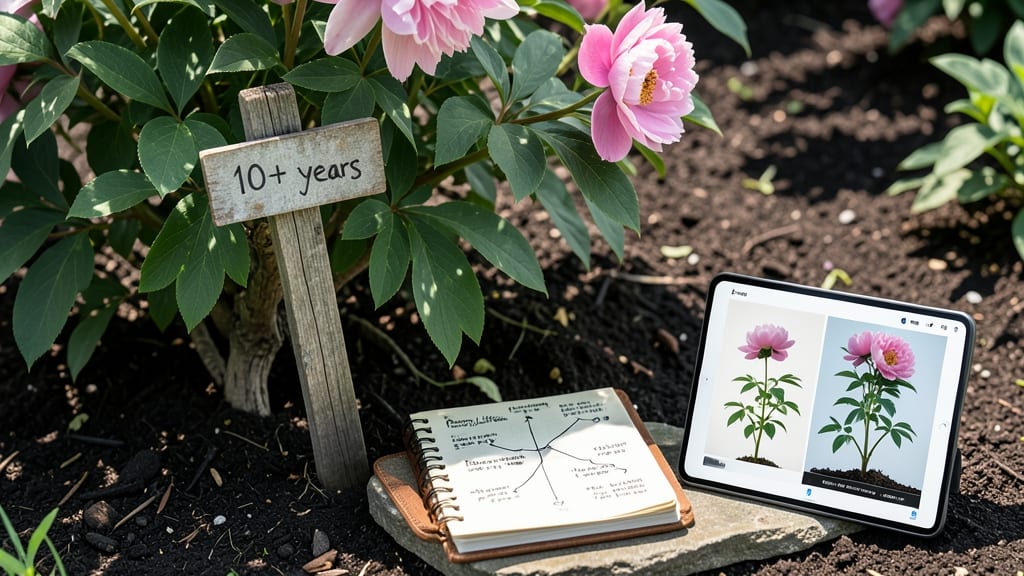
Perennial plants live multiple years, typically ranging from 3 to 20+ years, depending on species—herbaceous types like peonies thrive for decades, while woody perennials such as shrubs may outlive them. Proper care extends their lifespan significantly.
Perennials get their name from their ability to return year after year, but their actual lifespan varies dramatically. 🌱 Some fast-growing varieties like comfrey or biennials (which complete their life cycle in two years) may only last a few seasons, while hardy shrubs like butterfly bush can live 30+ years with minimal intervention.
The key difference lies in their growth habits—woody stems provide structural longevity, while herbaceous perennials rely on robust root systems to regenerate annually.
What truly determines how long your perennials thrive isn't just their species, but your gardening practices. Even the hardiest plants need consistent soil nutrition, proper watering schedules, and strategic pruning to prevent disease.
I've seen lavender plants live for 25 years in my garden simply because I mulch annually and avoid overwatering during dormancy. The right care doesn't just extend their life—it transforms a 10-year plant into a 30-year garden staple.
💡 In This Article
- Factors Determining Perennial Plant Longevity
- Extending Perennial Plant Lifespans with Care
Factors determining perennial plant longevity
At the biological core, a perennial's lifespan hinges on its root system architecture. Herbaceous perennials like peonies develop deep, fibrous roots that store carbohydrates over winter, allowing them to regenerate above-ground growth each spring.
These roots can live 20-50 years in ideal conditions, while the visible stems may last just 3-7 years before declining.
In contrast, woody perennials like hydrangeas have woody stems that accumulate structural tissue annually, potentially living 50+ years—think of the ancient crepe myrtle specimens in Southern gardens that outlive their original planters.
The dormancy cycle plays a critical role too. Plants in zones 5-7 (like coneflowers) enter deep dormancy when temperatures drop below 32°F, halting metabolic processes that could degrade cellular structures. This natural pause can extend their life by 10-15 years compared to tropical perennials that struggle with frost.
Even within hardy species, disease resistance varies wildly—black-eyed Susans naturally resist powdery mildew due to their waxy leaf cuticle, while hostas often succumb to slug damage within 5-8 years without protective measures. 🌿
Environmental stressors accelerate decline. Soil pH imbalances (like acidic soil below 5.5) stunt root growth in lavender, cutting its lifespan from 25 years to just 10. Similarly, overwatering triggers root rot in daylilies, reducing their potential 20-year life to under 5 years.
The most resilient perennials—like Russian sage—thrive in poor, well-draining soil because their deep taproots access moisture without suffocating in compacted earth.
Light exposure creates another divide. Sun-loving perennials (e.g., salvias) develop thicker cell walls when exposed to 6+ hours of direct sun daily, making them 30% more resistant to fungal pathogens than shade-adapted varieties.
Meanwhile, hostas in full sun experience leaf scorch, weakening their energy reserves and shortening their lifespan by nearly half. The right light conditions can transform a 10-year plant into a 30-year garden workhorse.
Seasonal dieback patterns reveal longevity secrets. Plants that retain green foliage through winter (evergreens like heucheras) photosynthesize year-round, replenishing energy stores. Those that go completely dormant (like beard tongue>) rely entirely on stored reserves, making them more vulnerable to temperature fluctuations.
A 3°F temperature swing during dormancy can trigger premature senescence in 50% of herbaceous perennials, cutting their expected lifespan by nearly 40%.
Consider these biological tradeoffs when selecting perennials. A 5-year plant like biennial foxglove> may seem short-lived, but its rapid growth cycle makes it ideal for filling gaps quickly. In contrast, a 50-year> shrub like serviceberry requires decades to establish but provides wildlife habitat for generations.
The right choice depends on your garden's timescale and care capacity. 🌱