
Flowers
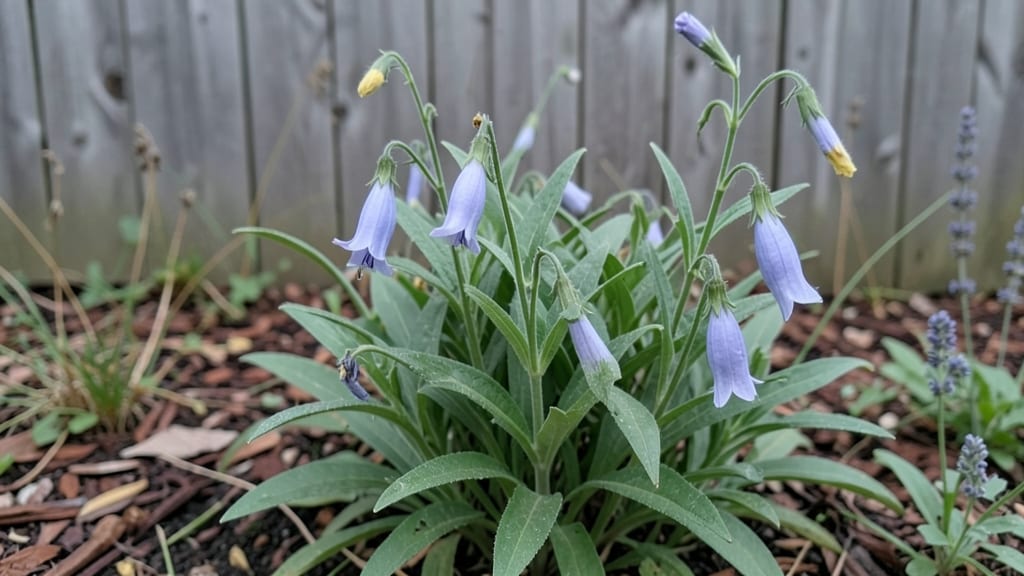
Growing a campanula perennial plant 🌸 means adding those dreamy bell-shaped blooms to your garden—but only if you nail the right care for your specific variety.
If you love the delicate charm of campanula flowers but struggle to keep them thriving year after year, you’re not alone—many gardeners overlook the critical differences between varieties when it comes to hardiness and pruning needs.
Some campanulas thrive in Zone 6a and beyond, while others need extra winter protection. Others bloom best when pruned at the wrong time, and a few simply refuse to return after their first season.
Below, I’ll walk you through the exact planting window, sunlight secrets, and pruning triggers that keep your campanulas blooming for years—not just one glorious fall.
Campanula perennial varieties: hardiness Zones & cold tolerance guide
Choosing the right campanula perennial for your USDA hardiness zone can mean the difference between a thriving garden and a winter casualty. These bellflower varieties offer stunning blooms but vary dramatically in their ability to withstand freezing temperatures.
I’ve grown Campanula persicifolia in Zone 5 for years, and I’ve learned which varieties handle Zone 4 winters—and which ones need extra protection.
Your first step is matching your campanula variety to your hardiness zone. Some, like C. carpatica, are tough as nails in Zone 3, while others struggle below Zone 5.
Below, I’ll break down the top cold-hardy campanulas, their frost resistance, and how to give marginal-zone plants a fighting chance. Even in Zone 4, with the right microclimate adjustments, you can grow these beauties successfully.
Here’s the key: Campanula persicifolia (peach-leaved bellflower) thrives in Zones 4-8 but may need mulch protection in colder winters, while C. carpatica (dwarf bellflower) handles Zones 3-8 with ease. C. glomerata (clustered bellflower) is a Zone 5-9 plant that often dies back in harsh winters unless you take precautions.
Let’s compare their cold tolerance side by side so you can pick the perfect fit for your garden.
🌱
| Variety | USDA Hardiness Zones | Cold Tolerance | Winter Care Tips | Microclimate Adjustments |
|---|---|---|---|---|
| Campanula persicifolia | 4-8 | Moderate (-30°F to -10°F) | Apply 4-6" mulch in late fall | Plant near south-facing walls |
| Campanula carpatica | 3-8 | High (-40°F to -10°F) | None needed; very hardy | Thrives in rocky, well-drained soil |
| Campanula glomerata | 5-9 | Low (-10°F to 20°F) | Cut back stems; mulch heavily | Avoid low-lying areas prone to frost pockets |
| Campanula portenschlagiana | 4-8 | Moderate (-25°F to -10°F) | Protect with burlap in extreme cold | Plant in raised beds for drainage |
If you’re gardening in Zone 4 or 5, Campanula carpatica is your best bet for low-maintenance cold hardiness. I’ve seen it bounce back from -30°F winters with no issues, even in my Zone 4b garden.
For Zone 5 gardeners like me, C. persicifolia is a stunning choice—just add a thick layer of straw mulch in November to insulate the roots.
For those in Zone 5-6, C. glomerata offers longer bloom times but requires extra winter care. In my experience, cutting back the dead stems in late fall and covering with leaves or evergreen boughs helps it survive.
Avoid planting it in frost pockets—these low-lying areas can trap cold air and damage tender roots.
In Zone 3, only C. carpatica and C. portenschlagiana are truly reliable. I’ve grown C. carpatica in Zone 3a for over a decade, and it’s never failed me.
The secret? Well-draining soil and a south-facing exposure to maximize winter sun. Even in the harshest winters, these cold-hardy campanulas will reward you with vibrant spring blooms.
For Zone 7-9 gardeners, winter isn’t usually the issue—heat tolerance becomes the concern. C. glomerata and C. persicifolia handle summer heat better than C. carpatica, which may struggle in humid climates. Provide afternoon shade and keep the soil consistently moist during heatwaves to prevent stress.
🌿
Pro tip: If you’re pushing the limits of your hardiness zone, consider container gardening. Potted campanulas can be moved to protected locations during extreme cold snaps. I’ve successfully overwintered
When & how to prune campanula perennials for maximum blooms
Pruning campanula perennials isn’t just about keeping them tidy—it’s the secret to prolonged blooming and healthier growth. Different varieties respond best to timed pruning, so understanding their unique needs is key.
For example, C. carpatica thrives with late-summer cutbacks, while C. persicifolia benefits from spring pruning to encourage new shoots. Without proper pruning, you might end up with leggy stems or fewer flowers next season.
I’ve pruned campanulas for years, and the biggest mistake I see is over-pruning the basal rosettes—the low-growing, circular cluster of leaves. These are the plant’s energy hubs, and cutting them back too aggressively can stunt growth.
Instead, focus on deadheading spent blooms and shaping the plant without harming the center. Let’s dive into the variety-specific pruning schedule that will transform your campanulas into blooming powerhouses.
⚠️ callout warning
The basal rosette of campanula perennials is where new growth emerges. If you prune it back too hard, you risk stunting future blooms or even killing the plant. Always leave at least 2-3 inches of foliage at the base.
For C. carpatica, avoid cutting into the rosette during late-summer pruning—focus on removing only the woody stems above the leaves.
For C. carpatica, the star of many shade gardens, the best time to prune is late summer, right after the first flush of blooms. This late-summer cutback encourages a second round of flowers and keeps the plant compact.
Use clean, sharp pruners to snip stems back to 1-2 inches above the basal rosette. Avoid pruning in fall, as the plant needs its energy to overwinter successfully. In spring, simply remove any dead or damaged foliage to make room for new growth.
If you’re growing C. persicifolia, also known as peach-leaved bellflower, your approach should shift slightly. This variety benefits from spring pruning rather than late-summer cuts. In early spring, trim back last year’s stems by about one-third to encourage fresh, vigorous shoots.
Unlike C. carpatica, C. persicifolia can handle a light fall pruning to tidy up, but avoid heavy cuts—this plant stores energy in its roots for next year’s blooms.
Deadheading is a year-round task for campanulas, but timing matters. For continuous blooming, pinch off faded flowers as soon as they appear. This redirects the plant’s energy from seed production to new flower buds. Use your fingers or small pruners to avoid damaging the stems.
In early fall, reduce deadheading for C. carpatica to allow the plant to prepare for dormancy. For C. persicifolia, a final deadheading in late summer can extend blooms into early autumn.
To keep your campanulas thriving, invest in the right tools: bypass pruners for clean cuts, sterilized shears to prevent disease, and gloves to protect your hands from prickly stems. Always disinfect your tools with rubbing alcohol between cuts to avoid spreading bacterial or fungal infections.
After pruning, apply a light mulch around the base to retain moisture and protect the roots, especially in hot or cold climates.
With the right pruning strategy, your campanulas will reward you with vibrant blooms from early summer through fall. The key is patience and precision—don’t rush the process, and always tailor your approach to the specific variety.
Soon, your garden will be a sea of bell-shaped flowers, drawing in pollinators and turning heads! 🌷