
Flowers
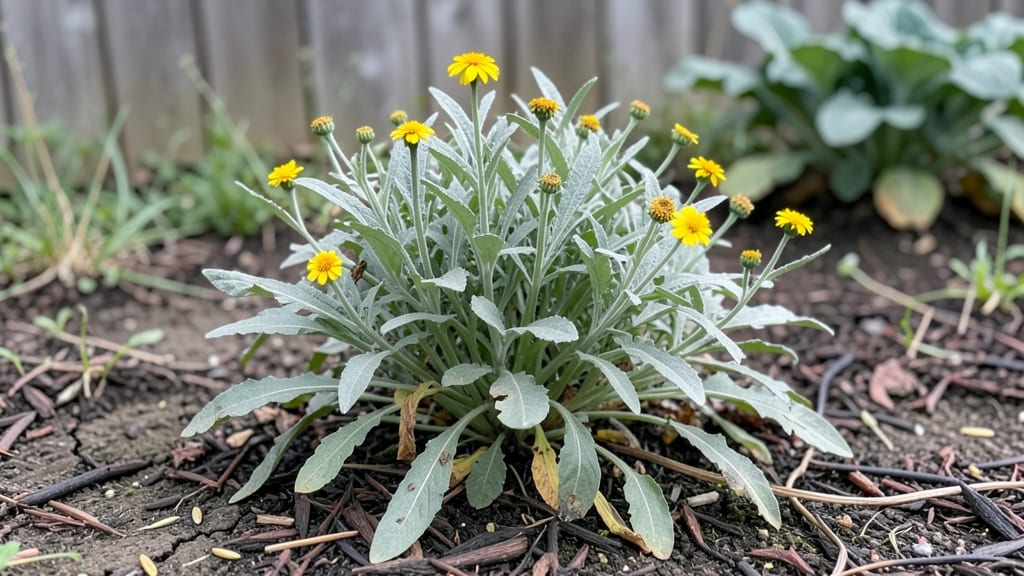
Mexican marigolds (Tagetes lucida) function as perennial plants only in USDA zones 9-11, where they reliably return each year without frost damage. Outside these warm climates, they behave as annuals unless you actively overwinter them indoors.
Mexican marigolds thrive as repeat bloomers in frost-free zones because their tender stems can't survive below 30°F. 🌿 Unlike French marigolds, which are hardier annuals, Tagetes lucida's delicate structure makes it dependent on warm winters.
Many gardeners in colder areas still grow them yearly by cutting back plants before frost and replanting in spring, effectively creating a perennial-like cycle.
This plant's ability to regrow stems from its herbaceous nature—unlike woody perennials, it sends up fresh growth from the base each season when conditions are right.
The key difference between true perennials and Mexican marigolds lies in their resilience: while perennials like lavender can withstand multiple freeze-thaw cycles, marigolds simply won't survive the cold.
💡 In This Article
- Mexican Marigold Cold Hardiness and Lifespan Factors
- Overwintering Mexican Marigolds for Year-Round Growth
Mexican marigold cold hardiness and lispan factors
Mexican marigolds (Tagetes lucida) die back in frost because their stems are herbaceous, not woody like true perennials. When temperatures dip below 30°F, the plant's delicate cells rupture from ice crystal formation, causing irreversible damage.
Unlike French marigolds (Tagetes patula), which have slightly tougher foliage, Mexican marigolds lack the protective bark layer that helps woody plants survive winter. Their leaves also contain volatile oils that can freeze and burst cell membranes at these low temperatures.
The key difference lies in their growth structure: Mexican marigolds produce non-woody stems that store minimal reserves for regrowth after frost. True perennials like lavender develop thickened stems with stored nutrients, but marigolds rely entirely on seasonal regrowth from the base.
In USDA zones 9-11, where winters rarely drop below 30°F for extended periods, they can persist year-round because their growth cycle isn't interrupted by freezing.
French marigolds (Tagetes patula) offer a useful comparison - they're hardier annuals that can tolerate brief dips to 25°F without dying, thanks to their slightly thicker stems. However, neither marigold type matches the cold tolerance of true perennials.
The 20-30°F threshold for Mexican marigolds represents the point where cellular dehydration becomes irreversible, causing the plant's entire above-ground structure to blacken and collapse within 24-48 hours of exposure.
What most gardeners don't realize is that Mexican marigolds' perennial behavior in warm climates stems from their rapid regrowth cycle. When temperatures stay above 50°F year-round, they can complete their growth cycle in 90-120 days, producing multiple flushes of foliage and flowers.
This creates the illusion of perennialism, but it's actually an accelerated annual growth pattern rather than true overwintering survival.
The science behind this involves cryoprotective compounds that some plants produce to prevent ice formation. Mexican marigolds lack these compounds in significant quantities, making them vulnerable to frost. In contrast, plants like rosemary contain high levels of rosmarinic acid that helps protect cell membranes.
The lack of these protective mechanisms explains why Mexican marigolds always revert to annual behavior in colder climates.
Here's what this means for gardeners: In zones 8 and below, treating Mexican marigolds as annuals is practical, but with proper overwintering techniques, you can extend their lifespan by 2-3 years beyond a single growing season.
The plant's ability to regrow from the base demonstrates its potential for perennial-like behavior when frost isn't a factor, making it a fascinating study in plant physiology and climate adaptation.