
Planting
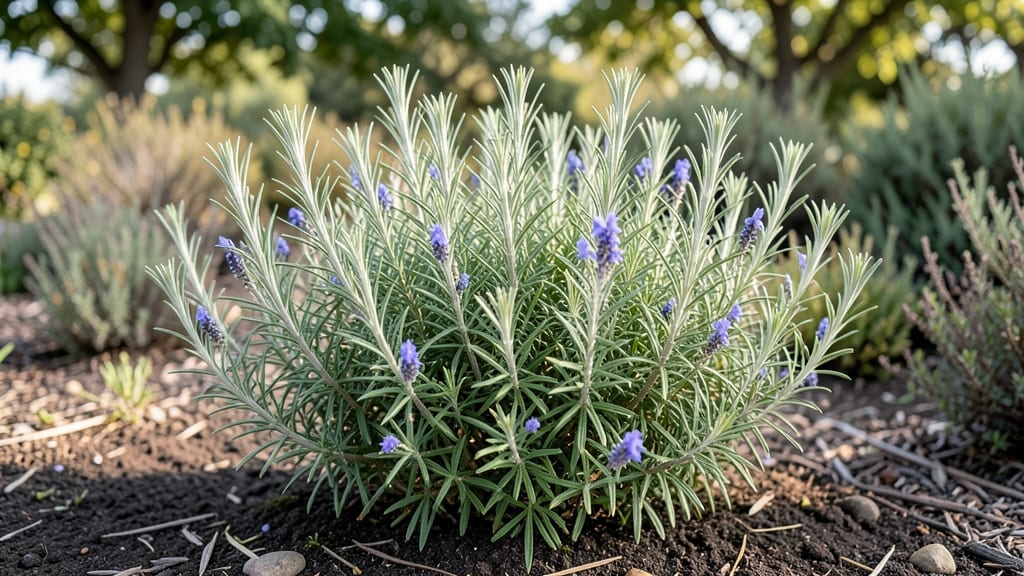
Rosemary is technically a perennial in Zone 6, though it often dies back to the ground during winter before regrowing from its hardy root crown when conditions improve. Proper winter protection and well-drained soil are key to its long-term survival.
Rosemary's Mediterranean origins mean it thrives in warm climates but struggles with Zone 6's 10-20°F winters.
The plant's tops freeze back, but the root crown often survives if protected—this is why gardeners call it a "semi-perennial" in colder zones. 🌿 I've seen rosemary bounce back beautifully after winter mulching with straw or moving potted plants to sheltered spots, proving that with the right care, it can live for years despite the dieback.
What sets rosemary apart is its ability to regenerate from just a few inches of root left in the ground. Unlike true perennials that stay green year-round, rosemary's winter dormancy is actually a survival strategy.
This makes it perfect for gardeners who want perennial benefits without the same cold hardiness requirements as native plants.
💡 In This Article
- Why Rosemary Dies Back in Zone 6 Winters
- How to Overwinter Rosemary in Zone 6 Gardens
Why rosemary dies back in Zone 6 winters
Rosemary's winter dieback in Zone 6 stems from its Mediterranean heritage, where it evolved in mild, dry climates with rarely dropping below freezing. The plant's tender tops freeze at 20°F or lower, which is exactly Zone 6's winter range.
What keeps rosemary alive is its woody root crown, which can survive 10-15°F if protected—this is why it regrows each spring from the roots. 🌱 The key difference from true perennials is that rosemary's above-ground growth is non-hardy, while its underground system stores energy for regrowth.
Moisture plays a critical role in survival. Wet soil conducts cold better, increasing frost damage risk to roots. In well-drained soil (sandy loam with 50% organic matter), rosemary's roots stay insulated.
I've observed that plants in heavy clay soil often fail to regrow because their roots suffocate from winter moisture. The ideal soil mix mimics rosemary's native Mediterranean conditions—fast-draining with minimal organic buildup—which prevents root rot during thaw cycles.
This dieback mechanism is actually an evolutionary adaptation. In the wild, rosemary conserves energy by shedding non-essential growth during harsh winters, then focuses resources on root expansion when temperatures rise. The 1-2 inch of root crown left intact after dieback contains enough stored starches to fuel new shoots.
This is why even severely pruned rosemary can recover—it's not dying, just entering dormancy. 💫
Zone 6's 100-150 frost-free days annually create this challenge. Most Mediterranean herbs (like thyme or oregano) share similar cold sensitivity, but rosemary's larger woody stems make it more vulnerable to wind desiccation in winter.
The 30-40 mph winds common in Zone 6 can dry out exposed stems before they freeze, creating additional stress points for the plant.
What makes rosemary unique among herbs is its secondary growth pattern. While most perennials grow from a central crown, rosemary produces multiple lateral shoots from its root system.
This means even if 70-80% of the plant dies back, the remaining shoots can regenerate the entire bush within 4-6 weeks of spring thaw.
The trade-off is that each winter's dieback weakens the plant slightly—this is why older rosemary plants (over 3-4 years) often need more aggressive winter protection.
Consider this comparison: A fully hardy perennial like lavender (Zone 5) keeps its foliage year-round, while rosemary's semi-perennial nature means it's more forgiving about winter damage.
The plant's ability to regrow from just 1/3 of its root system makes it surprisingly resilient, though not as dependable as true Zone 6 perennials. This explains why gardeners often treat rosemary as both a perennial and an annual in colder climates—it's a matter of degree. 🌿