
Planting
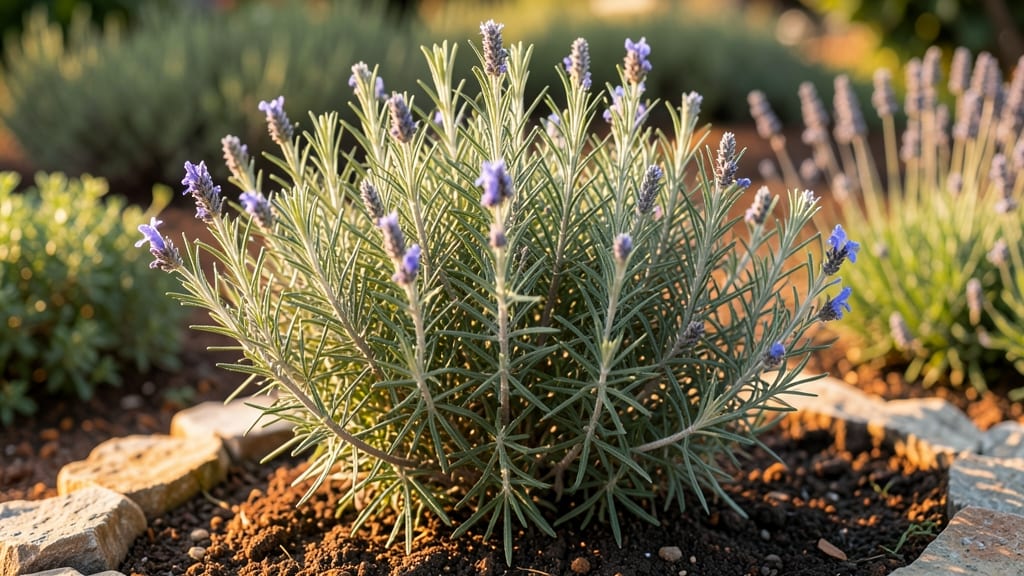
Rosemary in Zone 7 behaves like a perennial but often dies back completely each winter due to cold sensitivity, requiring annual replanting or winter protection unless you use cold-hardy varieties like 'Arp'.
Rosemary's Mediterranean roots make it ill-suited for Zone 7's frosty winters, where temperatures can drop below 20°F. 🌿 While its roots may survive light freezes, the woody stems typically blacken and die, forcing gardeners to treat it as an annual unless they take protective measures.
The 'Arp' variety stands out because it tolerates colder temperatures better, but even then, proper winter care is essential for long-term growth.
For container gardening, moving pots to sheltered areas or wrapping them in burlap can make a big difference. In-ground plants benefit from thick mulch layers—at least 4-6 inches of straw or leaves—to insulate the soil.
Pruning back dead growth in early spring helps stimulate new growth, but don't trim too late in the season, as rosemary needs time to harden off before winter.
💡 In This Article
- Why Rosemary Dies in Zone 7 Winters
- How to Grow Rosemary as a Perennial in Zone 7
Why rosemary dies in Zone 7 winters
Rosemary's struggle in Zone 7 winters stems from its Mediterranean heritage, where it thrives in mild, frost-free climates with temperatures rarely dropping below 25°F. The plant's woody stems contain little natural cold resistance, making them vulnerable to damage when exposed to Zone 7's typical winter lows of 0-10°F.
While rosemary's roots can sometimes survive light freezes, the above-ground growth typically blackens and dies back completely, leaving gardeners to start fresh each spring.
The critical threshold for rosemary damage occurs around 20°F, where cell membranes begin rupturing in the stems.
This is why even a single hard freeze can devastate an unprotected rosemary plant. 🌡️ The plant's native habitat in southern Europe and the Mediterranean receives minimal frost, with average winter temperatures hovering around 40-50°F—a climate that simply doesn't exist in most of Zone 7.
This stark contrast explains why rosemary behaves more like an annual than a true perennial in colder regions.
What makes this particularly frustrating is that rosemary's root systems often remain alive through winter, even when the stems die back. This means the plant can sometimes regrow from the base in spring, but only if the roots weren't severely damaged by prolonged cold or wet soil conditions.
The key factor here is how quickly the ground freezes—rosemary roots need consistent soil temperatures above 32°F to remain viable through winter.
Even cold-hardy varieties like 'Arp' rosemary, which can tolerate temperatures down to 15°F, face challenges in Zone 7. These varieties are more resilient than common rosemary types, but they still require protection from prolonged exposure to temperatures below 20°F.
The difference lies in their ability to recover more quickly from frost damage, often sprouting new growth from the base within weeks of spring's arrival.
Another critical factor is rosemary's sensitivity to wet, cold soil conditions. When the ground remains frozen for extended periods, moisture can't drain properly, leading to root rot—a secondary issue that can kill even the hardiest rosemary plants.
This is why proper winter care must address both above-ground protection and soil insulation simultaneously. 🌱 The combination of cold air temperatures and frozen soil creates a double threat that most rosemary plants simply can't withstand without human intervention.
Understanding these botanical limitations helps explain why rosemary often behaves like an annual in Zone 7, even though it's technically classified as a perennial.
The plant's entire growth cycle is adapted to a climate that doesn't exist in most of North America's colder regions, making winter survival a significant challenge that requires thoughtful gardening strategies.