
Planting
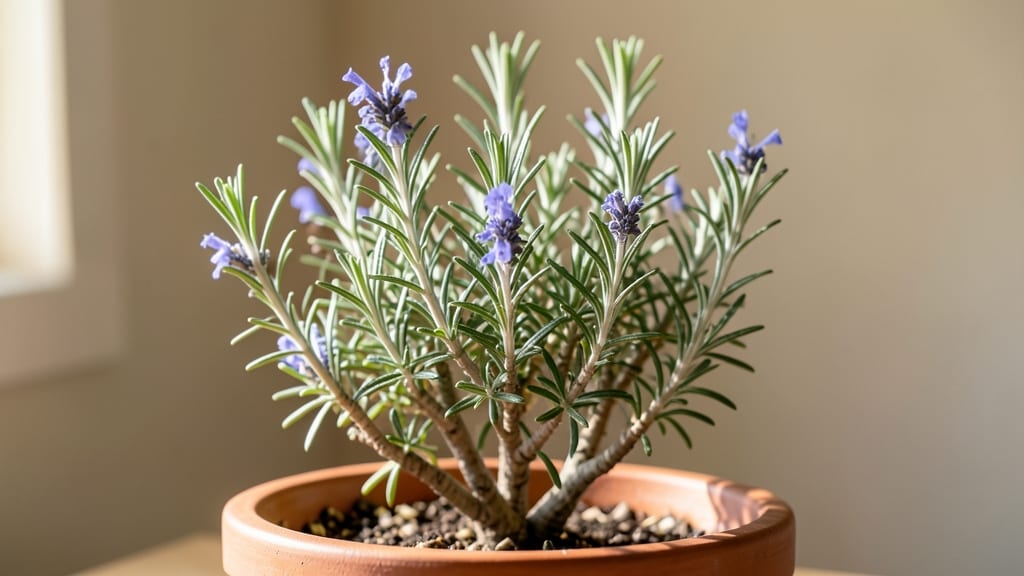
Yes, a rosemary plant is a perennial in warm climates but typically behaves as an annual or short-lived perennial in colder regions, where frost kills it back to the ground. Hardy in USDA zones 7-10, it thrives year-round in Mediterranean conditions but often requires replanting or overwintering indoors in colder areas.
A rosemary plant’s lifespan hinges on your climate.
In Mediterranean-like conditions (zones 7-10), its woody stems and deep roots let it regrow reliably each season—true perennial behavior. 🌿 But in colder zones, frost severs its growth above ground, forcing gardeners to treat it as a seasonal plant unless they protect it.
Even then, some varieties like 'Arp' or 'Hill Hardy' show better cold tolerance, making them smarter choices for northern gardens.
This distinction matters because rosemary’s perennial nature isn’t absolute—it’s climate-dependent. In frost-free areas, you’ll enjoy years of harvests with minimal effort, while colder regions demand extra care like mulching or container overwintering. The good news? With the right strategies, you can still grow rosemary annually even outside its ideal zones.
💡 In This Article
- Rosemary’s Perennial Nature: How Climate and Zones Define Its Lifespan
- Overwintering Rosemary: Practical Tips to Extend Its Perennial Growth
Rosemary’s perennial nature: how climate and zones define its lifespan
Rosemary's perennial status stems from its Mediterranean heritage, where it evolved in regions with mild winters and hot, dry summers. In USDA zones 7-10, its deep root system (often extending 3-5 feet deep) and woody stems allow it to regenerate from the base each spring, even after winter dormancy.
The key mechanism is its ability to survive through dormancy, where growth slows dramatically in cold months but the roots remain alive and protected underground.
The plant's cold-hardiness threshold sits around 15-20°F, meaning temperatures below this trigger frost damage to above-ground growth. In colder zones (below 7), the stems die back completely, but the roots may still survive if protected.
This is why rosemary behaves as an annual in these areas—it doesn't have the energy reserves to regrow from the same root system year after year without intervention. 🌱 The Mediterranean climate's consistency is what allows rosemary to maintain its true perennial nature.
What most gardeners don't realize is that rosemary's growth pattern mirrors that of other drought-tolerant Mediterranean herbs like thyme or oregano. These plants prioritize root development over top growth, storing energy in their extensive root networks.
In frost-free zones, this strategy lets rosemary live for decades with minimal care, while in colder climates, the lack of consistent warmth forces gardeners to treat it as a seasonal plant unless they provide protection.
An important distinction exists between true perennial rosemary and varieties bred for cold tolerance. While standard rosemary varieties may struggle in zone 6 or below, cold-hardy varieties like 'Arp' or 'Hill Hardy' can survive temperatures down to 0°F with proper protection.
These varieties have been selectively bred to maintain more robust root systems and thicker stems that resist frost damage better than their Mediterranean cousins.
Understanding these mechanisms helps explain why rosemary thrives in coastal California or southern Europe but struggles in northern US gardens. The plant's natural adaptation to Mediterranean conditions creates a fundamental mismatch with colder climates where winter dormancy patterns differ significantly.
This is why gardeners in colder zones often see rosemary as a short-lived perennial—it's not that the plant can't survive, but that the climate doesn't support its natural growth cycle without human intervention.
The science behind rosemary's perennial nature also involves its unique photosynthesis process. Unlike many plants that grow continuously, rosemary enters a semi-dormant state in cooler months, conserving energy while still maintaining root viability. This adaptation allows it to bounce back quickly in spring when temperatures rise above 50°F.
In colder climates where winters extend for months below freezing, this natural cycle gets disrupted, which is why overwintering strategies become essential for extending rosemary's lifespan.