
Planting
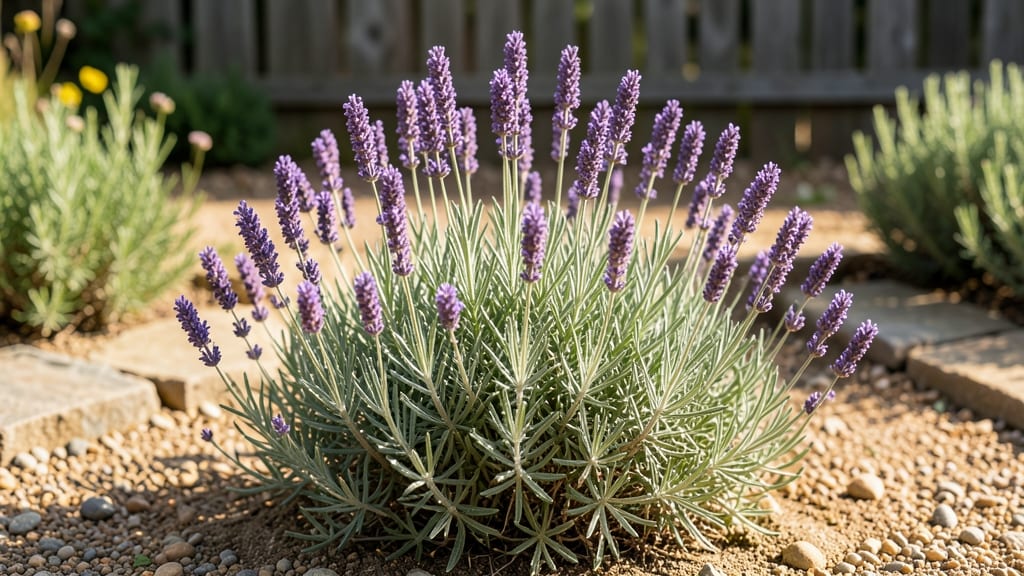
Lavender thrives as a perennial in Zone 6 when planted with proper care, thanks to its resilient underground rhizomes that endure winter dormancy. Mulching and well-draining soil are essential to prevent frost damage and promote reliable spring regrowth.
Lavender's perennial status in Zone 6 hinges on its ability to store energy in thick, woody rhizomes that act like natural insulation. 🌿 These underground stems store nutrients and water, allowing the plant to remain dormant during cold snaps.
English lavender, in particular, handles Zone 6 winters better than French varieties, which often need winter protection. The key to success lies in mimicking natural conditions—planting in full sun with excellent drainage and applying a thick layer of organic mulch to shield roots from temperature swings.
Proper site selection is just as critical as the plant itself. Lavender demands at least 6 hours of direct sunlight daily and thrives in sandy, gritty soil that prevents rot.
In Zone 6's colder months, a 3-4 inch layer of straw mulch applied after the first frost creates an insulating barrier. Pruning in late spring removes dead growth while preserving the plant's energy reserves for next year's blooms.
💡 In This Article
- How Lavender’s Rhizomes Survive Zone 6 Winters
- Zone 6 Lavender Planting and Care Tips for Perennial Growth
How lavender’s rhizomes survive Zone 6 winters
Lavender's survival in Zone 6 winters hinges on its specialized rhizome system, which functions like a built-in survival kit. These thick, woody underground stems store carbohydrates, water, and nutrients—acting as a plant battery that powers regrowth when spring arrives.
The rhizomes' unique structure allows them to withstand temperatures down to 10°F (-12°C) by entering a state of dormancy, where metabolic activity slows dramatically. This adaptation is particularly crucial in Zone 6, where winter temperatures can fluctuate wildly between freezing nights and thawing days.
The cold hardiness varies significantly between species. English lavender (Lavandula angustifolia), for example, handles Zone 6 winters exceptionally well due to its deeper rhizome system and thicker stems, which provide better insulation.
French lavender (Lavandula stoechas), on the other hand, typically requires winter protection as its rhizomes are less robust and more prone to frost damage. The rhizomes' ability to regenerate from even small fragments also ensures the plant can recover from partial damage, making lavender remarkably resilient once established.
During dormancy, lavender's rhizomes undergo a fascinating biological process where they convert stored starches into sugars, which act as antifreeze agents. This natural mechanism prevents ice crystals from forming within the plant's cells, which would otherwise cause fatal damage.
The rhizomes also produce protective proteins that shield cellular structures from cold-induced stress. This biological "winterization" process is what allows lavender to remain viable underground even when above-ground growth appears completely dead during harsh winters.
What most gardeners don't realize is that lavender's rhizomes are also highly sensitive to moisture during dormancy. Excessive soil moisture can cause the rhizomes to rot, even in cold conditions, which is why proper drainage becomes critical in Zone 6's wet winters.
The ideal soil mix for lavender should contain 50-70% sand or grit to prevent waterlogging. This sandy composition mimics lavender's natural Mediterranean habitat, where it evolved to thrive in rocky, well-drained soils that quickly shed excess moisture.
Another key factor in winter survival is the rhizomes' ability to adjust their growth patterns based on temperature cues. As winter approaches, the rhizomes slow down their growth and redirect energy toward root development, creating a stronger foundation for spring regrowth.
This adaptive strategy ensures that even after a harsh winter, lavender plants can quickly rebound with new shoots once temperatures rise above 50°F (10°C). The timing of this transition is precisely coordinated with environmental signals, demonstrating nature's remarkable precision in plant survival strategies.
For gardeners in Zone 6, understanding this rhizome biology explains why proper planting techniques make all the difference. When you plant lavender with its crown just above the soil line, you create the optimal conditions for rhizome insulation while preventing moisture buildup that could lead to rot.
The crown's position allows for maximum air circulation around the base, which is crucial for preventing fungal issues that could compromise the rhizomes' winter resilience.