
Vegetables
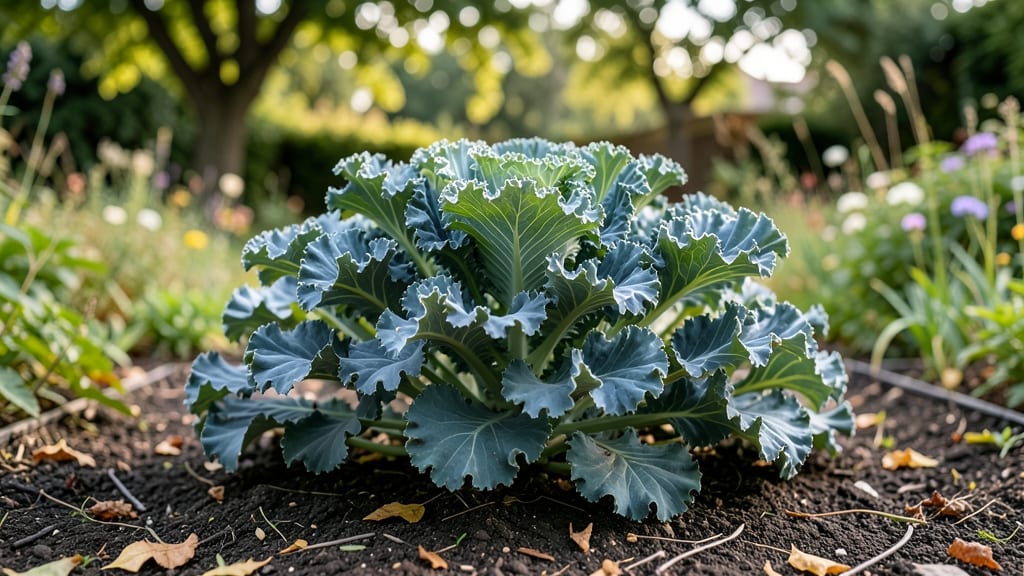
Ornamental kale is not a true perennial—it behaves as an annual or short-lived biennial in most climates, with frost-tolerant leaves that fade when temperatures rise or after flowering. While it can survive winter in cold zones, extreme heat or flowering signals its decline, though careful cultivation may slightly prolong its life in milder regions.
Ornamental kale's lifespan hinges on its botanical triggers: cold exposure (vernalization) prompts flowering, which weakens the plant. 🌱 Unlike true perennials like rhubarb, it lacks the root reserves to regenerate after flowering, so its "perennial" status depends on climate.
In Zone 5-7, some varieties (like 'Winterbor') may persist through winter with protection, but they'll still bolt in spring. The key is treating it as a seasonal superstar—planting new batches for continuous color rather than expecting it to return year after year.
For gardeners in warmer areas, ornamental kale's fleeting nature is actually an advantage: its vibrant foliage thrives in cool weather, making it a winter garden showstopper before heat forces retirement. The trade-off?
You'll need to replant for next season's displays. Think of it as a fast-growing, edible ornament—perfect for adding color to fall and winter landscapes while knowing its lifecycle upfront.
💡 In This Article
- Why Ornamental Kale Dies After Winter: Freeze and Heat Tolerance Limits
- How to Maximize Ornamental Kale’s Lifespan in Cold Gardens
Why ornamental kale dies after winter: freeze and heat tolerance limits
The lifespan of ornamental kale hinges on its vernalization process, where exposure to cold temperatures triggers flowering. Unlike true perennials like rhubarb, ornamental kale lacks robust root systems to regenerate after flowering.
When temperatures drop below 20°F (-7°C), most varieties enter dormancy, but they won’t survive repeated freeze-thaw cycles or prolonged cold snaps. This is why 'Russian Red' might survive winter in Zone 6 but will still bolt in spring—its energy shifts from foliage to seed production.
Heat becomes the real villain for ornamental kale. Once temperatures rise above 80°F (27°C), the plant’s metabolism accelerates, causing leaves to yellow and crisp.
This stress response is tied to its Mediterranean ancestry—ornamental kale evolved in regions with cool winters and warm summers, but it lacks the heat tolerance of tropical plants.
Compare this to 'Dwarf Blue Curled', which may handle brief heatwaves better than 'Lacinato' due to its tighter leaf structure, but neither variety can withstand prolonged summer heat.
The key difference from true perennials lies in their root reserves. Rhubarb stores energy underground to regrow each spring, while ornamental kale’s roots are shallow and prioritize leaf production over storage. When flowering begins, the plant redirects nutrients to seed development, weakening its stems and leaves.
This is why even well-cared-for plants often die back by late spring—nature’s way of ensuring the next generation survives.
Cold hardiness varies by variety, but most ornamental kales can tolerate -10°F to -15°F (-23°C to -26°C) for short periods. The exception is 'Winterbor', bred for extended cold exposure, which may survive -20°F (-29°C) with protection.
However, even these varieties will eventually succumb to heat or flowering. The trade-off? Their vibrant colors and textures make them worth the seasonal sacrifice in cold climates.
Consider this: ornamental kale’s lifecycle mirrors that of biennial vegetables like carrots or onions. In its first year, it focuses on leaf growth; in the second, it flowers and dies. The difference?
Ornamental kale’s second year is often skipped in warmer zones because heat triggers flowering prematurely. This is why gardeners in Zone 8 rarely see it survive past winter—it bolts before spring arrives.
For those in milder climates (Zones 5-7), the challenge isn’t just survival but timing. Planting in early fall gives leaves time to harden before winter, while spring plantings risk bolting before leaves mature.
The solution? Treat it as a seasonal crop, harvesting leaves before flowering begins to prolong its ornamental value.