
Plants
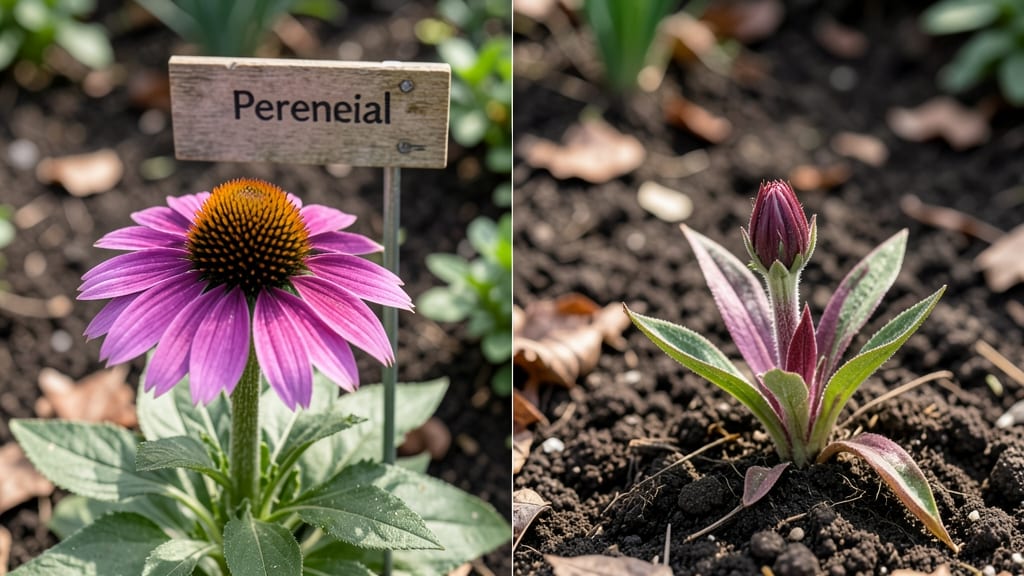
Yes, perennials come back year after year by growing from roots, rhizomes, or crowns that survive winter dormancy, unlike annuals or biennials, though some may decline after several seasons or require division to thrive.
Perennials thrive because they store energy underground in their root systems, bulbs, or tubers during winter, allowing them to regrow when conditions improve. 🌱 Unlike annuals that complete their lifecycle in one season, true perennials like hostas or lavender develop deep root networks that anchor them through cold months.
This resilience makes them ideal for low-maintenance gardens, though some may weaken over time without proper care like division or fertilization.
Not all plants that return yearly are true perennials—some are self-seeding annuals (like cosmos) or biennials (like foxglove) that complete their cycle over two years. The key difference lies in their root systems: perennials have persistent underground structures, while others rely on seeds or short-lived storage organs.
Understanding this helps gardeners choose plants that match their long-term goals.
💡 In This Article
- How Perennial Plants Survive Winter Dormancy
- Identifying True Perennials vs. Self-Seeding Annuals
How perennial plants survive winter dormancy
The secret to perennials' resilience lies in their underground storage systems. True perennials like peonies or daylilies store carbohydrates in their roots, rhizomes, or tubers during winter months, effectively entering a state of dormancy.
These storage organs can survive temperatures as low as -20°F in some hardy varieties, thanks to specialized cells that protect against freezing. For example, hostas store energy in thick, fleshy roots that swell with starches to fuel regrowth in spring.
Temperature acts as the trigger for regrowth. When soil temperatures rise above 40°F in spring, hormonal signals activate growth centers in the roots.
This process is similar to how a potato sprouts when exposed to warmth. 🌱 The plant's ability to "remember" its growth cycle through stored energy is what distinguishes it from annuals, which complete their entire lifecycle in one season without any persistent structures.
Cold hardiness zones (USDA zones 3-10) determine which perennials thrive in specific climates, with some like lavender needing zone 5 protection while others like creeping thyme handle zone 7.
Not all perennial-like plants have the same survival mechanisms. Some "perennials" in nurseries are actually short-lived perennials that may only last 3-5 years before declining. This happens when their root systems become overcrowded or depleted of nutrients.
True perennials like asparagus or rhubarb can live for decades because their crowns continuously produce new shoots from the same root system, while others like bleeding hearts may weaken after 5-7 years without division.
Water management plays a crucial role during dormancy. While some perennials like sedum store moisture in their leaves, most rely on deep root systems that tap into groundwater. Mulching with 2-4 inches of organic material helps insulate roots and maintain moisture levels, which is particularly important in dry climates.
The trade-off is that too much moisture can lead to rot in poorly drained soils, making soil preparation a critical factor in perennial success.
What most gardeners don't realize is how light affects winter survival. Many perennials need a period of cold (called vernalization) to break dormancy, but they also require sufficient light exposure during their growing season to build up energy reserves.
This explains why shade-loving plants like ferns may struggle in full sun conditions—they can't store enough energy to survive winter. The balance between light exposure and root development is what determines whether a perennial will thrive for years or decline after just a few seasons.
Consider these key survival strategies when selecting perennials for your climate:
- Root type: Deep taproots (like coneflowers) handle drought better than fibrous roots (like daylilies)
- Cold tolerance: Zone 3 plants like Russian sage survive -40°F while zone 7 plants like salvia need protection below 10°F
- Energy storage: Bulbs (tulips) store energy differently than tubers (dahlias) or rhizomes (ginger)