
Orchid Care
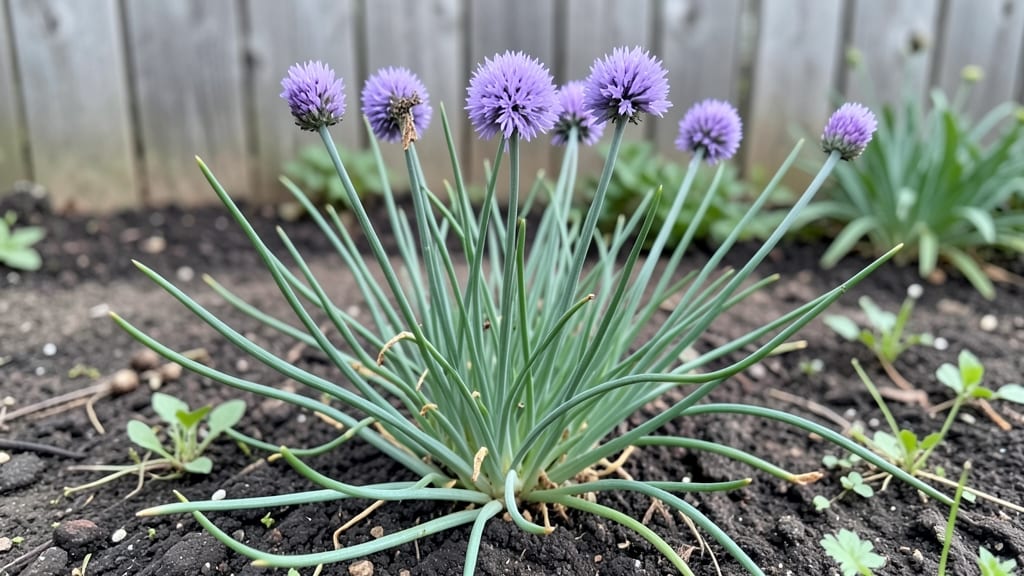
This regrowth cycle sets chives apart from annual herbs, which complete their entire life cycle in one season. 🌱 Their underground rhizomes store energy, allowing them to bounce back each spring even after harsh winters.
In my garden, I've seen chives thrive for over five years with minimal effort—just consistent moisture and well-draining soil."
For container growers, dividing clumps every 2-3 years keeps plants vigorous. The key is protecting them from extreme cold snaps, especially in marginal zones like 9 or 10 where winter dieback can be more severe. I always mulch heavily before the first frost to insulate those precious roots."
💡 In This Article
- How Chives Survive Winter as Perennial Plants
- Tips for Extending Chive Lifespan in Containers and Gardens
How chives survive winter as perennial plants
Chives rely on their underground rhizomes—thick, horizontal root stems—to store carbohydrates and nutrients during dormancy. Unlike annual herbs that die completely after seeding, these rhizomes contain specialized cells that convert starches into sugars, providing energy for regrowth when temperatures rise.
This adaptation allows chives to survive sub-zero temperatures down to -30°F in protected conditions, making them far hardier than most garden herbs.
The key to their winter resilience lies in their dormancy cycle, triggered by shortening daylight and cooler soil temperatures. As fall progresses, chives slow metabolic activity, reducing water loss and preventing frost damage.
Their leaves may yellow and die back, but the rhizomes remain alive beneath the soil, insulated by organic matter. This contrasts sharply with annual herbs like basil, which lack persistent root systems and must be replanted each season.
Soil temperature plays a critical role—chives typically won't resprout until the ground reaches 40-45°F consistently. In my experience, early spring mulch removal accelerates regrowth by allowing sunlight to warm the soil faster.
The rhizomes' ability to regenerate shoots from multiple nodes also explains why even heavily cut plants bounce back robustly, unlike annuals that require full seasonal cycles to produce new growth.
What most gardeners overlook is how chives' cold tolerance varies by cultivar. Siberian chives (Allium schoenoprasum) handle zone 3 winters with ease, while garlic chives (Allium tuberosum) prefer milder zone 5-9 climates.
The difference comes down to rhizome thickness and waxy leaf coatings that reduce moisture loss—features absent in annual herbs like dill or cilantro, which lack these protective adaptations.
Here's what happens botanically: When soil temperatures stabilize above 50°F, the rhizomes' apical meristems (growth points) reactivate, sending up new shoots within 2-3 weeks. This rapid regrowth is why chives often appear before many perennials, giving them a head start in the growing season.
The process mirrors how asparagus crowns regenerate, but chives do it with less maintenance.
For container growers, this means winter protection becomes even more critical. Potted chives in zone 4 or colder need insulation with straw or bubble wrap, as air temperatures can fluctuate more dramatically than ground temperatures.
The rhizomes' shallow depth (typically 2-3 inches below soil) makes them vulnerable to freeze-thaw cycles that can damage deeper-rooted perennials.