
Orchid Care
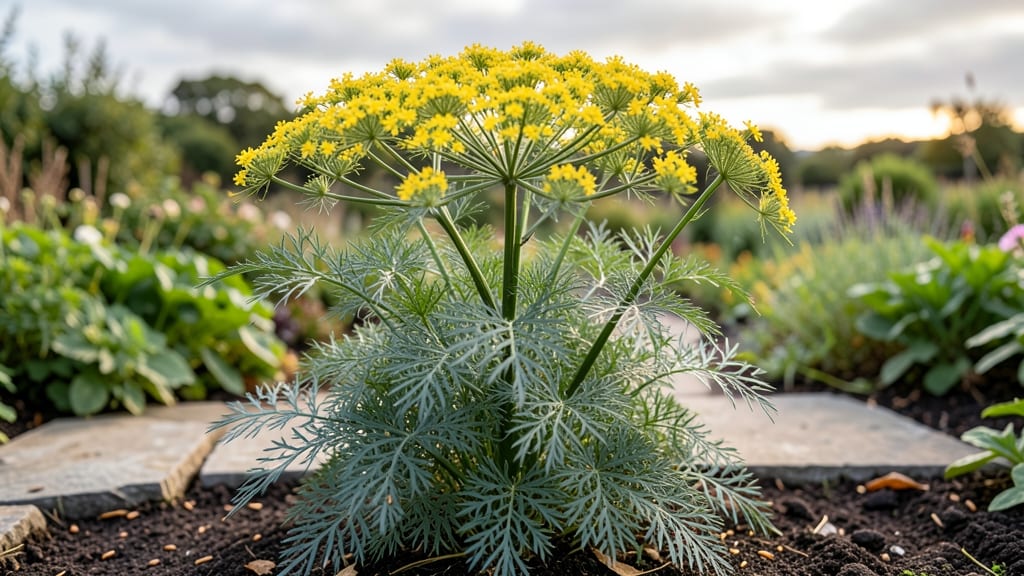
Dill behaves like an annual in most gardens because it's a biennial perennial—meaning it completes its life cycle in two years—but it often returns year after year from self-seeding or surviving roots, especially in warmer climates.
Dill's confusing growth pattern comes from its natural two-year lifecycle: it focuses on leaf growth in the first year and flowering/seeding in the second. 🌱 When you leave plants in the ground, they self-seed prolifically, creating new plants that sprout each spring.
In colder regions, frost kills the tops, but the roots or seeds often survive to regrow, making it seem like a perennial. This is why many gardeners treat it as an annual while still enjoying its persistent presence.
If you want dill to keep coming back, let some plants flower and go to seed, or protect the roots with mulch in winter. Planting in well-draining soil and giving it full sun will also help it thrive through multiple seasons.
The key is letting nature handle the cycle—interfering with the seed stage can actually reduce its "perennial" behavior.
💡 In This Article
- Why Dill Grows Like a Perennial Despite Being Biennial
- Tips for Encouraging Dill to Return Year After Year
Why dill grows like a perennial despite being biennial
Dill's botanical identity as a biennial plant means it follows a two-year growth cycle: the first year focuses on establishing a robust root system and leafy growth, while the second year shifts energy to flowering and seed production.
This lifecycle is hardwired into its DNA, triggered by daylight length and temperature changes. 🌱 Unlike true perennials, which regrow from the same root system annually, dill's survival strategy relies on either self-seeding or root resilience—both of which create the illusion of perennial behavior in gardens.
The key to dill's persistence lies in its taproot system, which can store nutrients and survive mild winters in zones 3-10. In colder climates (below zone 3), frost typically kills the above-ground foliage, but the roots may still regenerate in spring if protected by 2-3 inches of mulch.
Meanwhile, dill's prolific seed production—sometimes dropping 1,000+ seeds per umbel—ensures new plants sprout each season, especially in well-drained soil with full sun exposure. This seed-based regeneration is why many gardeners mistake dill for a perennial.
What sets dill apart from true perennials is its seed dormancy period. Seeds can remain viable in the soil for up to 4 years, germinating when conditions are ideal (typically spring).
This delayed germination, combined with the plant's ability to resprout from roots, explains why dill often appears to "come back" year after year without human intervention. In mild climates, the tops may even survive winter with minimal protection, further reinforcing its perennial-like behavior.
Dill's cold hardiness varies by variety—bouquet dill (common in gardens) is hardier than fernleaf dill, which bolts more quickly. The plant's natural tendency to self-seed is so strong that many gardeners unknowingly cultivate "volunteer" dill plants that sprout from previous years' seeds.
This is why dill often becomes a self-sustaining herb garden staple once established, even though it's technically biennial.
Here's what's actually happening botanically: Dill's biennial lifecycle is an adaptation to maximize reproductive success. In the first year, it prioritizes vegetative growth to store energy, while the second year's focus on flowering ensures seed dispersal.
However, if the plant isn't allowed to complete its second-year cycle (by harvesting leaves too aggressively), it may revert to a more annual-like behavior. This is why letting some dill plants flower and seed is crucial for maintaining its "perennial" presence in gardens.
In practical terms, dill's ability to mimic perennial behavior depends on three factors: seed viability, root survival, and climate conditions. In zone 7 and above, dill often acts like a perennial because both seeds and roots survive winter.
Below zone 5, it behaves more like an annual unless you take active steps to protect it. This explains why gardeners in warmer regions rarely need to replant dill—it simply returns year after year through natural regeneration.
The science behind dill's persistence also involves its vernalization process, where exposure to cold temperatures triggers flowering in the second year. This means that in regions with cold winters, dill may not flower until its second spring, while in warmer climates, it might flower in the first year.
This adaptability is what makes dill such a resilient herb that can thrive in diverse growing conditions while maintaining its characteristic "perennial" appearance in gardens.