
Flowers
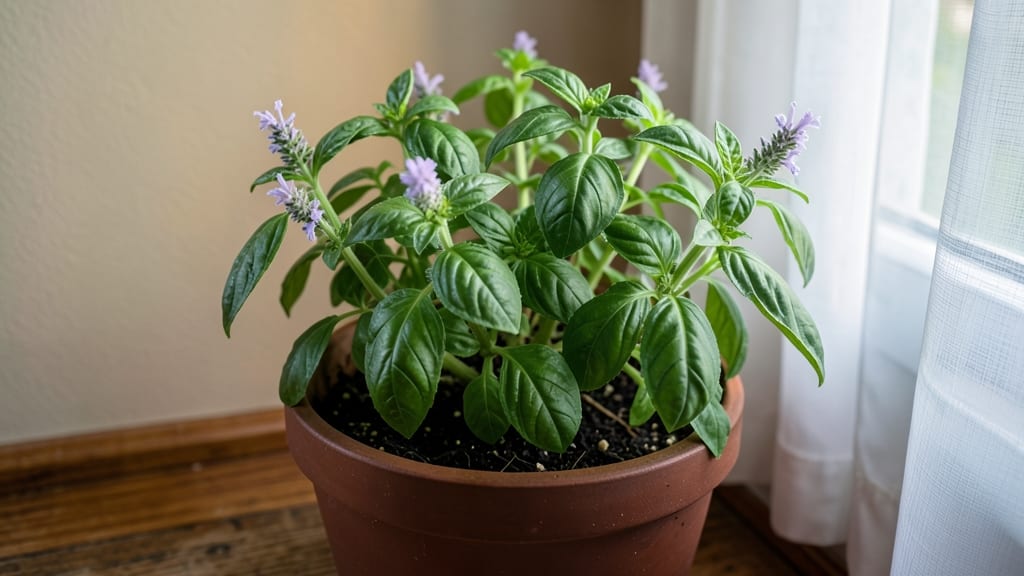
Whether basil is an annual or perennial depends entirely on your climate: in most regions it behaves as an annual, completing its life cycle after flowering and seeding, but in frost-free zones like USDA 10-12 it can regrow year after year as a perennial.
This behavior comes down to basil's sensitivity to cold temperatures. 🌱 When frost hits, even hardy varieties like Genovese or Thai basil will die back completely, just like true annuals.
The key difference lies in their ability to regenerate from roots in warm climates—where they can persist for multiple years if protected from winter chill.
I've seen gardeners in Southern California harvest basil continuously for years by simply cutting back stems after flowering, which tricks the plant into focusing on leaf production rather than seeding.
What's interesting is how this affects your gardening strategy. In cooler zones, treating basil as an annual means planning for spring planting and fall harvests, while in warmer areas you can experiment with overwintering techniques like container growing or indoor lighting.
The plant's flexibility makes it one of the most adaptable herbs for home gardeners across different climates.
💡 In This Article
- Why Basil Dies Back: The Science of Its Annual vs Perennial Behavior
- How to Extend Basil’s Growing Season in Different Climates
Why basil dies back: the science of its annual vs perennial behavior
Basil's dieback behavior stems from its tropical origins, where it evolved in regions with warm, frost-free climates. The plant's growth cycle is triggered by temperature cues—when nights dip below 50°F (10°C), basil shifts from vegetative growth to flowering, producing seeds as a survival strategy.
This is a classic annual behavior, similar to how marigolds or zinnias complete their life cycle in one season. The key difference? Basil's roots can persist in warm climates, allowing regrowth when conditions improve.
What makes basil unique is its thermoperiodic response—a botanical mechanism where day/night temperature fluctuations signal flowering. In cooler climates, these fluctuations occur earlier in the season, prompting basil to focus on seed production rather than leaf growth.
True perennials like mint or rosemary, however, have hardened roots that survive winter dormancy, regrowing from the same root system year after year. Basil lacks this cold-hardiness, making it behave as an annual in most gardens.
The plant's sensitivity to frost is extreme—even a light 32°F (0°C) freeze will kill basil foliage completely, though the roots may linger for a short time. This is why gardeners in zones 8 and below typically treat basil as an annual, replanting each spring.
In contrast, perennial herbs like thyme or oregano can withstand -15°F (-26°C) temperatures with proper mulching. The aromatic oils in basil's leaves actually crystallize when exposed to cold, further damaging cell structure.
Here's where things get interesting: basil's seed production isn't just about reproduction—it's a survival tactic. The plant allocates energy to seed development when temperatures drop, which explains why your basil might suddenly flower and bolt even in warm weather if days get shorter.
This photoperiod sensitivity is another annual trait, contrasting with perennials that maintain steady growth patterns regardless of seasonal changes. 🌱
Consider this comparison: in Florida's USDA zone 10, basil can grow continuously because frost never occurs. The same variety planted in zone 5 will die back by October, even if you protect it.
This climate-dependent behavior is why botanists classify basil's growth habit as "frost-sensitive annual" rather than strictly annual or perennial. The plant's true nature lies in its adaptability to temperature cues rather than inherent classification.
What this means for gardeners is that basil's lifespan isn't fixed—it's a response to environmental conditions. In warm climates, you can coax perennial-like behavior by providing consistent warmth and protection. In cooler areas, treating it as an annual actually works with the plant's natural instincts.
The secret lies in understanding these temperature triggers and working with them rather than against them.