
Plants
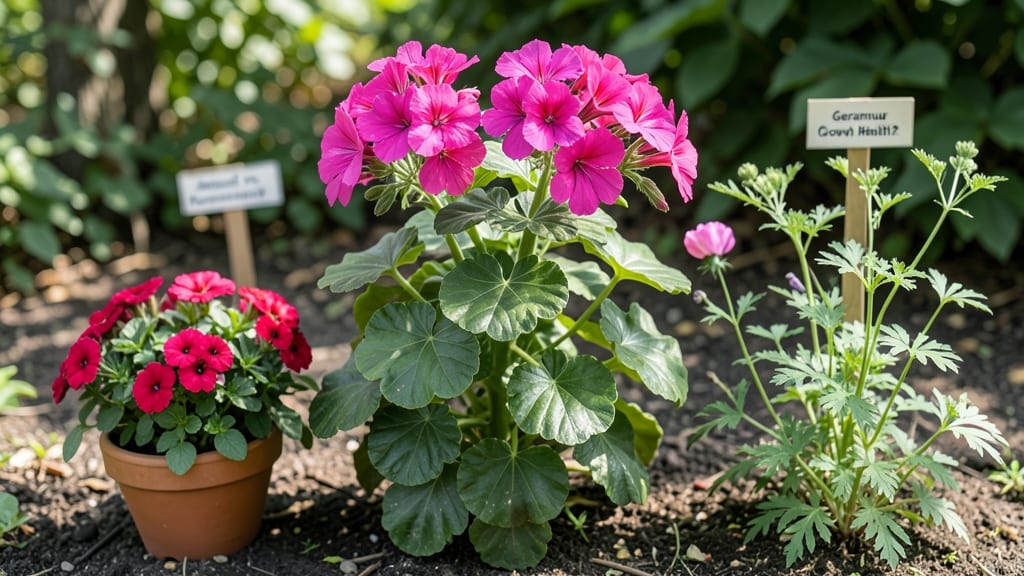
Geraniums are perennial plants in warm climates (USDA Zones 10-11) but often grown as annuals in colder regions (Zones 3-9) due to frost sensitivity. Their hardiness depends on the species and winter protection methods.
Whether geraniums behave as perennials or annuals depends entirely on where you live. 🌿 In frost-free climates like Southern California or Florida, these plants thrive year-round, returning with vibrant blooms each spring. However, in colder zones where temperatures drop below 20°F, most geraniums won't survive winter outdoors without protection.
This is why gardeners in colder regions typically treat them as annuals—planting fresh tubers each spring after the last frost. The key difference lies in their root systems: hardy geranium species like Geranium macrorrhizum can withstand light freezes, while tender varieties like Pelargonium zonale (common bedding geraniums) need winter shelter.
What's interesting is how this classification affects your gardening approach. For example, if you're in Zone 5 and want to keep your favorite geraniums, you'll need to dig up the roots before winter and store them in a cool, dry place.
This simple step transforms an annual plant into a perennial for your garden. The same strategy works for container-grown geraniums—just move pots indoors before temperatures drop below 30°F. This knowledge makes all the difference between treating geraniums as disposable summer flowers or cherished long-term garden investments.
💡 In This Article
- Geranium Perennials vs Annuals: Species and Climate Dependencies
- Extending Geranium Lifespan in Cold Climates: Winter Care Tips
Geranium perennials vs annuals: species and climate dependencies
The distinction between annual and perennial geraniums comes down to their botanical origins and cold tolerance. True geraniums (genus Geranium) are hardy perennials native to temperate regions, with some species like Geranium macrorrhizum (Ivy Geranium) surviving winter temperatures down to -15°F when established.
These plants develop deep root systems that insulate against cold, allowing them to regrow each spring. Their leaves often die back in winter but regenerate from the roots when temperatures rise above 40°F.
In contrast, the popular bedding geraniums we see in summer gardens (genus Pelargonium) are tender perennials that behave as annuals in cold climates. These plants originate from South Africa and cannot tolerate freezing temperatures—even light frosts (32°F) can damage their foliage.
The key difference lies in their growth habits: Geranium species store energy in underground rhizomes, while Pelargonium varieties have shallow root systems that freeze easily. This is why you'll see Pelargonium plants sold as annuals in nurseries across the northern U.S.
USDA hardiness zones create clear dividing lines for geranium care. In Zones 10-11 (year-round frost-free areas), both Geranium and Pelargonium can grow as perennials. However, in Zones 7-9, only the hardiest Geranium species survive winters outdoors.
The transition zone (Zones 6-7) presents the biggest challenge, where even cold-hardy geraniums may need mulch protection to survive -10°F temperatures. This zone-based approach explains why gardeners in different regions develop such varied relationships with these plants.
What most gardeners don't realize is how quickly geraniums can adapt when given proper care. For example, Geranium sanguineum (Blood-Red Geranium) can thrive as a perennial in Zone 4 with heavy mulching (6-8 inches of straw or wood chips).
The secret lies in insulating the soil—this prevents freeze-thaw cycles that damage roots. Meanwhile, Pelargonium varieties can be overwintered indoors as houseplants, where they'll regrow their foliage each spring. This flexibility makes geraniums one of the most adaptable garden plants when you understand their specific needs.
Consider these key factors when choosing geraniums for your climate:
- Hardy Species: Geranium macrorrhizum (Zone 4), G. sanguineum (Zone 3-4 with protection)
- Tender Varieties: Pelargonium zonale (Zones 10-11 only outdoors)
- Growth Habit: True geraniums spread via rhizomes; pelargoniums grow from tubers
- Winter Strategy: Hardy species need mulch; tender varieties need indoor storage
The science behind this adaptability involves how each species stores energy. Hardy geraniums convert starches into root reserves during fall, while pelargoniums rely on tuberous roots that need consistent warmth.
This biological difference explains why you can't simply "winter over" a Pelargonium plant outdoors in Zone 5—its root system lacks the cold resistance of true geraniums. Understanding these mechanisms lets you choose the right geraniums for your specific growing conditions.
For gardeners in transitional zones (6-8), the solution often lies in hybrid varieties that combine traits from both groups. Some modern cultivars have been bred to tolerate slightly colder temperatures than traditional pelargoniums, making them semi-hardy perennials.
These hybrids represent the future of geranium gardening, bridging the gap between annual and perennial growing habits. The key takeaway is that what appears to be a simple annual-perennial distinction actually involves complex botanical adaptations to temperature and soil conditions.