
Plants
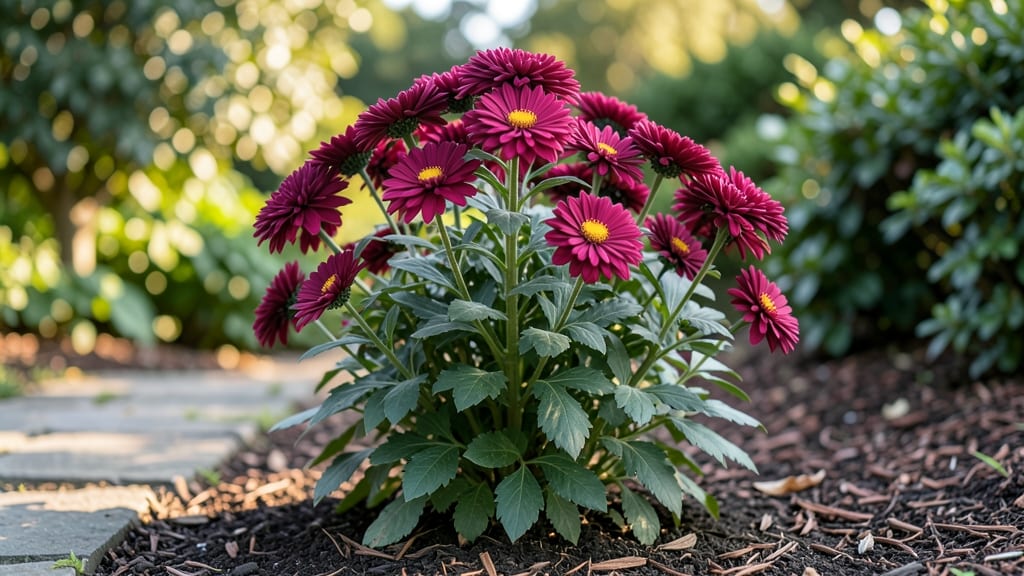
Chrysanthemums are perennial plants that return each year in USDA Zones 5-9, thanks to their tough underground rhizomes storing nutrients for regrowth, though some varieties need winter protection to survive freezing temperatures.
These hardy plants rely on their underground root systems to store energy during dormancy, allowing them to push new growth when conditions improve. 🌱 Unlike annuals that complete their life cycle in one season, chrysanthemums develop thick rhizomes that act like natural batteries, ensuring they bounce back year after year.
The key difference between hardy and tender varieties lies in their ability to withstand cold snaps—some may appear dead in winter only to resprout when temperatures rise.
For gardeners in colder regions, selecting varieties like 'Ruby Mound' or 'Bonanza' gives you the best chance of perennial success. These types naturally produce more robust rhizomes that can handle 20-30°F temperatures with proper mulching.
The trade-off? Some tropical varieties simply can't survive freezing, so checking your zone and plant tags is essential before planting.
💡 In This Article
- How Chrysanthemum Rhizomes Enable Perennial Growth
- Extending Chrysanthemum Lifespan in Cold Climates
How chrysanthemum rhizomes enable perennial growth
The secret behind chrysanthemums' perennial nature lies in their specialized underground rhizomes, which function like nature's energy storage system.
These thick, horizontal root structures store carbohydrates, proteins, and water during dormancy—similar to how potatoes store nutrients in their tubers. 🌱 The rhizomes can swell to 2-3 inches in diameter in mature plants, packing enough reserves to fuel new shoots when spring arrives.
This adaptation allows them to survive harsh winters by entering a state of dormancy while maintaining viability.
Rhizomes also play a crucial role in temperature regulation. In USDA Zones 5-9, chrysanthemums naturally adapt to seasonal changes through a process called vernalization—where cold exposure actually triggers flowering in the following season.
The root system regulates this response by monitoring soil temperatures, typically between 35-45°F for optimal dormancy. 💛 What's fascinating is how these rhizomes can remain viable for years, with some gardeners reporting healthy regrowth even after 5-7 years of dormancy, though vigor may decline without proper care.
The cold-hardiness varies dramatically between varieties. Hardy types like 'Hardy Golden Ball' can withstand temperatures down to -20°F when properly mulched, while tender varieties like 'Dendranthema' types may only tolerate 25°F before suffering damage.
This difference comes down to rhizome thickness and waxy coating that prevents moisture loss during freeze-thaw cycles. 🌿 The thicker the rhizome, the better it insulates the plant's core, maintaining cellular integrity even when above-ground foliage dies back.
Seasonal adaptation begins in late fall when chrysanthemums sense shortening daylight. The plant redirects energy from leaf production to rhizome development, creating a carbohydrate-rich storage organ. This process continues until first frost, when the foliage dies but the rhizome remains active underground.
The magic happens in spring when soil temperatures reach 50°F—the rhizome detects this change and begins producing auxin hormones that stimulate shoot growth within 2-4 weeks. This precise timing ensures the plant emerges just as soil conditions become favorable.
Consider the case of 'Bonanza' chrysanthemums, which are specifically bred for cold tolerance.
Their rhizomes develop a protective layer of suberin—a waxy substance that reduces water loss—allowing them to survive winters in Zone 5 with minimal protection. 💫 In contrast, tropical varieties like 'Mammoth' chrysanthemums produce thinner rhizomes that lack this protective layer, making them far more susceptible to winter kill.
The key difference lies in the rhizome's ability to maintain cellular membrane integrity during freezing, a trait that gardeners can leverage by selecting appropriate varieties for their climate.
What most gardeners don't realize is that rhizome health directly correlates with flowering performance. A well-developed rhizome system produces 20-30% more blooms the following season compared to stressed or underdeveloped roots.
This is why proper fall care—including cutting back foliage and applying 3-4 inches of mulch—is critical for establishing strong rhizomes that will support perennial growth for years to come. The rhizome's ability to regenerate makes chrysanthemums one of the most resilient perennials in the garden.