
Companion Plants
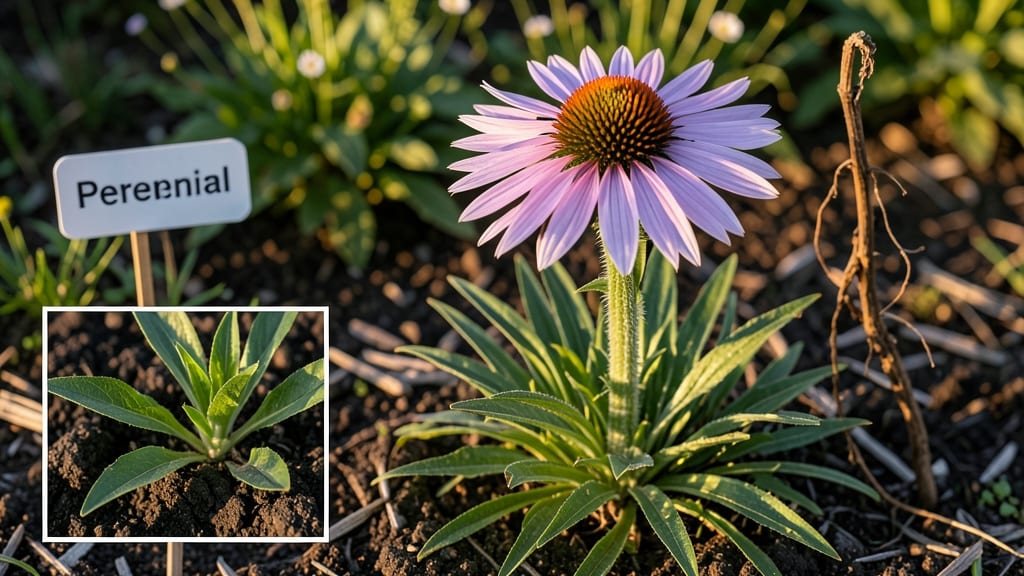
Yes, perennial plants come back every year by relying on underground storage organs like roots, tubers, or rhizomes that store nutrients and energy to regrow above ground when conditions improve.
This remarkable survival strategy sets perennials apart from annuals, which complete their life cycle in a single season. 🌱 The stored energy in these underground structures allows them to withstand harsh winters, droughts, or other challenging conditions while remaining dormant.
Once spring arrives with warmer temperatures and increased sunlight, these plants tap into their reserves to push new growth through the soil. Many gardeners favor perennials precisely because they eliminate the need for yearly replanting, offering long-term beauty with minimal effort.
Understanding this biological process helps explain why some perennials thrive in your climate while others struggle. The key lies in matching plant species to their natural growing zones and providing proper care during their dormant periods.
For instance, peonies and hostas develop robust rhizomes that ensure their return year after year, while delphiniums rely on deep taproots to access moisture during dry spells. This natural resilience makes perennials ideal for establishing low-maintenance garden foundations.
💡 In This Article
- How Perennial Plants Survive Winter Through Underground Storage
- Caring for Perennials to Ensure Yearly Regrowth
How perennial plants survive winter through underground storage
The secret to perennial survival lies in their specialized underground storage organs that function like nature's batteries. These structures—roots, tubers, rhizomes, and corms—store carbohydrates (like starch and sugars) produced through photosynthesis during the growing season.
For example, peonies develop thick, fleshy rhizomes that can store enough energy to support new shoots for 5-7 years without replanting. This stored energy acts as a survival mechanism, allowing the plant to remain dormant during cold months while maintaining cellular integrity.
The dormancy process involves complex biochemical changes triggered by environmental cues. As temperatures drop below 50°F, perennials like hostas and daylilies enter a state where their metabolic activity slows dramatically.
Their storage organs produce antifreeze proteins that prevent ice crystal formation in cells, similar to how some animals survive winter hibernation. Meanwhile, specialized cells called parenchyma in the roots and tubers remain alive, ready to resume growth when conditions improve.
This biological adaptation explains why perennials can withstand -20°F temperatures while annuals would perish.
Light plays a crucial role in breaking dormancy. When daylight increases in spring, the plant's meristem cells (growth centers) receive hormonal signals to activate. The stored starches convert into simple sugars through a process called glycogenolysis, providing immediate energy for new shoot development.
You'll often notice the first signs of regrowth when soil temperatures reach 45-50°F—this is when the plant's internal clock tells it conditions are safe to emerge. The timing varies by species, with early bloomers like crocuses appearing weeks before late perennials like coneflowers.
Not all perennials use the same storage strategy. Some, like asparagus, develop thick, woody roots that can live for decades, while others like potatoes rely on tubers that sprout new shoots from eyes (buds) along their surface.
Rhizomatous plants like iris spread horizontally through underground stems, creating a network of connected storage nodes. This diversity explains why some perennials thrive in dry climates (using deep taproots) while others prefer moist conditions (relying on shallow rhizomes).
The key factor is matching the plant's natural storage mechanism to your garden's conditions.
What most gardeners don't realize is that these storage organs continue growing even during dormancy. For instance, a peony rhizome might increase in size by 20-30% each year through a process called secondary thickening, where new layers of cells form around the original structure.
This gradual growth explains why mature perennials often produce larger blooms and more vigorous foliage over time. The trade-off? These storage organs require consistent care—poor soil or improper watering can starve them of essential nutrients, leading to weak regrowth or failure to return.
Consider the case of hostas, which store nutrients primarily in their thick, fleshy roots. When properly cared for, these roots can support new growth for 10+ years, but if the plant is overwatered in winter, the roots may rot before spring.
This delicate balance between storage and survival explains why perennials often require different care than annuals. Understanding these mechanisms helps gardeners provide the right conditions for their plants to thrive year after year. 🌱