
Flowers
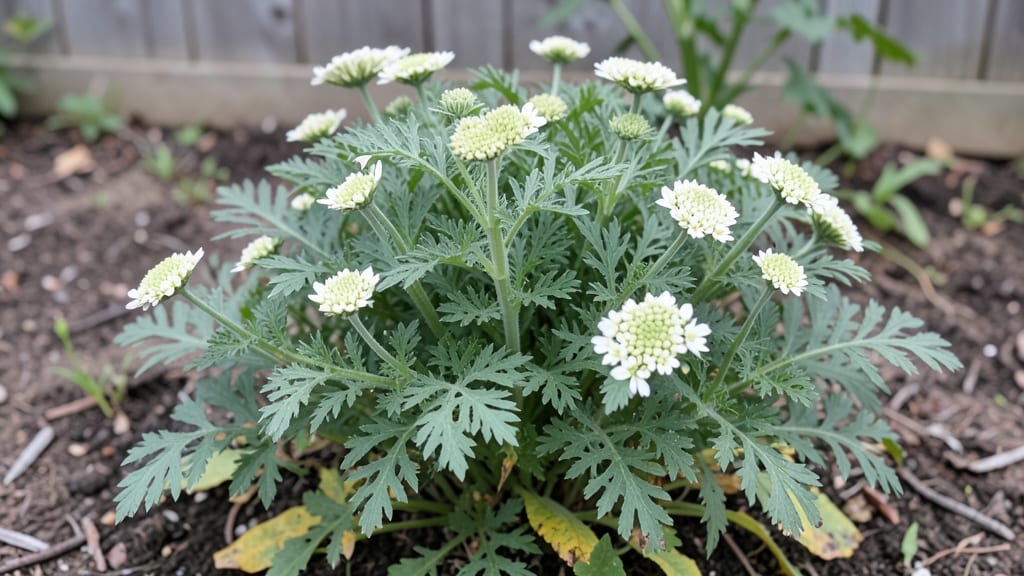
Growing a yarrow perennial plant 🌼 means adding a low-maintenance superstar to your garden that blooms for years without fuss.
Did you know this hardy plant can live for decades with just the right conditions? Unlike finicky annuals, yarrow thrives on neglect, attracts pollinators like crazy, and even repels pests—making it the perfect choice for busy gardeners or first-timers.
With the right care, your yarrow will reward you with vibrant blooms from spring through fall, all while adapting to USDA Zone 6a and beyond. Whether you're planting in March or May, I’ll walk you through everything you need to know to keep your yarrow flourishing for years.
From sunlight secrets to soil tips, you’ll discover how to maximize its lifespan, avoid common mistakes, and turn your garden into a buzzing ecosystem—without breaking a sweat.
How long does yarrow perennial plant live & its lifespan secrets
If you’ve ever planted yarrow (Achillea millefolium) and wondered why it seems to thrive with almost no effort, you’re not alone. This hardy perennial can live for 5–10+ years—and sometimes even longer—with the right care.
Unlike annuals that die back each winter, yarrow returns year after year, making it a low-maintenance superstar for pollinators and garden borders.
The secret to yarrow’s longevity lies in its adaptability. It thrives in poor soil, tolerates drought, and resists most pests. But even the toughest plants need some attention to reach their full lifespan potential.
Let’s explore how to help your yarrow live its best life and what to watch for as it ages.
| Characteristic | Details |
|---|---|
| Average Lifespan | 5–10+ years (with proper care) |
| Sunlight Needs | 6–8 hours of full sun daily |
| Soil Type | Well-draining, average to poor soil (pH 6.0–7.5) |
| Watering Needs | Drought-tolerant once established; water deeply 1x/week |
| Pruning Frequency | After first bloom cycle and again in early spring |
| Signs of Aging | Woody stems, fewer blooms, or spread too thin |
| Revitalization Method | Division every 3–4 years to rejuvenate |
Yarrow’s lifespan can vary based on growing conditions. In ideal environments—like USDA zones 3–9 with well-draining soil and full sun—it often exceeds 10 years. However, neglecting pruning or planting it in shady, waterlogged soil can shorten its life dramatically.
Even in less-than-perfect conditions, yarrow usually lives 5–7 years if given basic care.
One of the biggest longevity factors is pruning. I can’t stress this enough: Deadheading spent blooms in early summer encourages more flowers, while cutting back woody stems in early spring prevents the plant from becoming overcrowded. This simple step keeps yarrow looking fresh and productive for decades.
Watch for signs of aging like woody stems or a declining bloom count. Older yarrow plants may also spread too thin, looking leggy or sparse. If you notice these issues, it’s time to divide the plant.
Dig up the clump, separate the roots, and replant the healthiest sections. This rejuvenation trick can add 5+ more years to your yarrow’s life.
Another key to extending yarrow’s lifespan is soil health. While it tolerates poor soil, amending it with compost every few years boosts nutrient levels. I recommend mixing in organic matter in early spring to give your plant a nutrient kickstart before the growing season.
Avoid heavy fertilizers, as yarrow prefers lean conditions.
If your yarrow starts looking stressed—yellowing leaves, stunted growth, or fewer flowers—it might need a reset. Try moving it to a sunnier spot or improving drainage if the soil stays soggy. Sometimes, a light pruning in late summer can also stimulate new growth before winter.
One common misconception is that yarrow is completely maintenance-free. While it’s low-maintenance, it still benefits from occasional attention. For example, removing dead foliage in late winter prevents disease buildup and keeps the plant looking tidy.
A quick mulch layer in early spring also helps retain moisture and regulates soil temperature.
For maximum longevity, pair yarrow with companion plants like lavender or catmint. These plants share similar care requirements and create a pollinator-friendly ecosystem. Over time, you’ll have a self-sustaining garden area that thrives with minimal effort.
Remember, yarrow’s true magic is in its resilience. Even if you forget to prune or skip a watering cycle, it often bounces back. But for
Yarrow perennial plant hardiness zones: where it thrives best
Yarrow (Achillea millefolium) is one of the most adaptable perennials in North America, thriving across USDA hardiness zones 3 through 9. This wide range means whether you're in Alaska's cold snaps or Texas's heatwaves, yarrow can find its happy place with minimal fuss.
Its resilience comes from deep roots that store moisture and nutrients, making it perfect for drought-prone gardens or neglected corners.
While yarrow handles extremes, its optimal performance occurs in zones 4–8, where it blooms prolifically from early summer to fall. In colder zones (3–4), expect slower early growth but robust survival, while hotter zones (9) may require afternoon shade to prevent wilting.
Understanding these nuances helps you maximize blooms and minimize stress on your plants.
In zones 3–4, yarrow benefits from mulching in late fall with 2–3 inches of straw or shredded leaves to insulate roots. I’ve seen yarrow survive -30°F winters with this simple protection, though new growth may emerge later in spring.
For zone 5–6 gardeners, focus on well-draining soil—yarrow hates soggy roots—and plant in sheltered spots to avoid late spring frosts that can damage tender shoots.
Southern growers in zones 7–9 should prioritize afternoon shade during peak summer months to prevent leaf scorch. I’ve grown yarrow in zone 8's humidity by spacing plants 18–24 inches apart for airflow, which drastically reduces fungal risks.
In zone 9 deserts, yarrow thrives with minimal watering—just enough to establish roots—then thrives on rainfall alone.
Microclimates matter! Even within a zone, urban heat islands or valley bottoms can shift yarrow’s comfort level. For example, a zone 6 yard might need afternoon shade if located near a paved driveway, while a zone 7 mountain slope could handle full sun.
Always observe your yarrow’s leaf color—yellowing signals stress from either too much heat or poor drainage.
Pro tip: Divide mature clumps every 3–4 years to rejuvenate growth, regardless of zone. This prevents center die-out and ensures vibrant blooms. Whether you're in Minnesota's zone 4 or California's zone 9, yarrow’s adaptability makes it a low-maintenance superstar for pollinators and long-lasting color.