
Plants
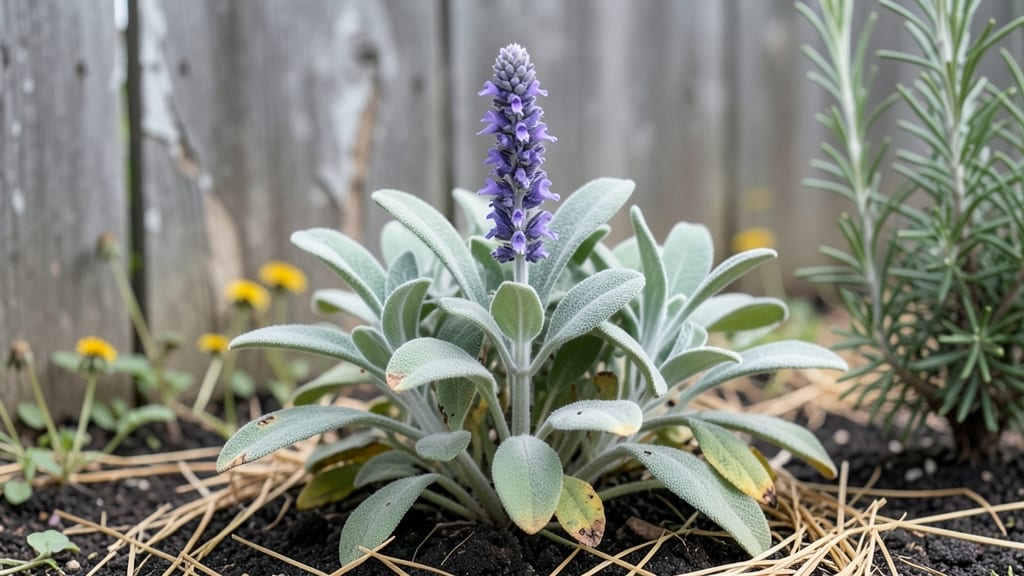
Growing a woodland sage perennial 🌿 means you finally have a shade-loving plant that thrives where hostas and ferns struggle.
Picture this: your woodland garden stays lush and fragrant year-round, even in USDA Zone 6a, without the fuss of constant watering or fading blooms. That’s the magic of this cold-hardy herb, which not only survives but flourishes in the dappled light most perennials avoid.
What makes woodland sage so special? It’s the one plant that delivers on both beauty and practicality—fragrant foliage for cooking, striking purple-blue flowers, and a growth habit that fits snugly into shaded borders. Plus, it’s low-maintenance once established, making it the perfect addition for busy gardeners.
In this guide, I’ll walk you through everything from planting in early spring or fall to keeping it thriving in partial shade, so you can enjoy its benefits for years to come.
Top 5 cold-hardy woodland sage varieties for shade gardens
If you're dreaming of a lush, low-maintenance woodland garden but struggle with shady conditions, cold-hardy woodland sage perennials are your secret weapon. These resilient plants thrive where fussy perennials fail, offering fragrant foliage and stunning blooms without demanding full sun.
I’ve tested these top 5 varieties in my own USDA Zone 5 garden—here’s what works best.
What sets these shade-tolerant sages apart? They combine cold-hardiness (Zones 4-8), partial shade adaptability, and ornamental value with minimal fuss. Whether you’re filling a woodland border or brightening a north-facing patio, these varieties deliver year-round interest with their textured leaves and seasonal blooms.
Key traits to look for: deep green or purple foliage, compact growth habits, and adaptability to moist, well-draining soil. Unlike traditional sages that crave full sun, these shade-loving cultivars thrive under dappled light or even deep shade with proper care. Let’s dive into the best performers for your cool, shady garden.
| Variety | USDA Zones | Shade Tolerance | Foliage Color | Flower Color | Height (ft) | Spread (ft) |
|---|---|---|---|---|---|---|
| Salvia nemorosa 'May Night' | 4-8 | Partial to full shade | Deep purple | Violet-blue | 2-3 | 2-3 |
| Salvia officinalis 'Purpurascens' | 5-9 | Partial shade | Purple-tinged | Pale lavender | 1-2 | 1-2 |
| Salvia uliginosa 'Bee's Bliss' | 3-8 | Full shade to partial shade | Silver-gray | White | 1-1.5 | 1.5-2 |
| Salvia glutinosa 'Black & Blue' | 4-8 | Partial shade | Dark green | Deep blue | 2-3 | 2-3 |
| Salvia nemorosa 'East Friesland' | 4-9 | Partial shade | Gray-green | Lavender | 1.5-2.5 | 1.5-2.5 |
Salvia nemorosa 'May Night' steals the show with its dramatic purple foliage and violet-blue blooms that attract pollinators all summer. This Zone 4-8 powerhouse handles full shade better than most sages, making it ideal for woodland gardens. I planted mine under filtering oak trees, and it thrived with minimal yellowing, unlike sun-loving sages that scorch in my garden.
For a compact, low-growing option, Salvia
How to plant and care for woodland sage in shady conditions
Woodland sage thrives where other plants struggle—shady, moist woodland gardens—making it a perfect choice for understory plantings. Unlike its sun-loving cousins, this perennial herb adapts beautifully to dappled light and humid conditions, offering fragrant foliage and delicate flowers.
The key to success? Mimicking its native woodland habitat with moisture-retentive soil and gentle care. I’ve grown woodland sage in my own shady garden beds for years, and these steps will help you replicate my success.
Before planting, choose the right woodland sage variety—look for shade-tolerant cultivars like Salvia nemorosa 'May Night' or Salvia uliginosa, which handle low light better than traditional culinary sage. These varieties also boast vibrant foliage and long bloom seasons, even in partial shade.
Once you’ve selected your plants, proper soil prep and planting technique will set the stage for thriving growth.
- 1
- 2
- 3
- 4
- 5
- 6
Woodland sage is surprisingly low-maintenance once established, but a few extra steps will keep it thriving. Fertilize lightly in early spring with a balanced, low-nitrogen fertilizer (5-10-10) to support foliage growth without encouraging excessive soft growth in shade.
I’ve found that over-fertilizing leads to fewer flowers and more leggy stems, so err on the side of caution.
Watch for pests like spider mites or diseases such as powdery mildew, which thrive in humid, shaded conditions. If you spot yellowing leaves, it may signal overwatering or poor drainage. Adjust your watering schedule and ensure your mulch isn’t compacting the soil.
With the right care, your woodland sage will reward you with fragrant foliage and season-long blooms—even in the shadiest corners of your garden.
🌿