
Pests and Diseases
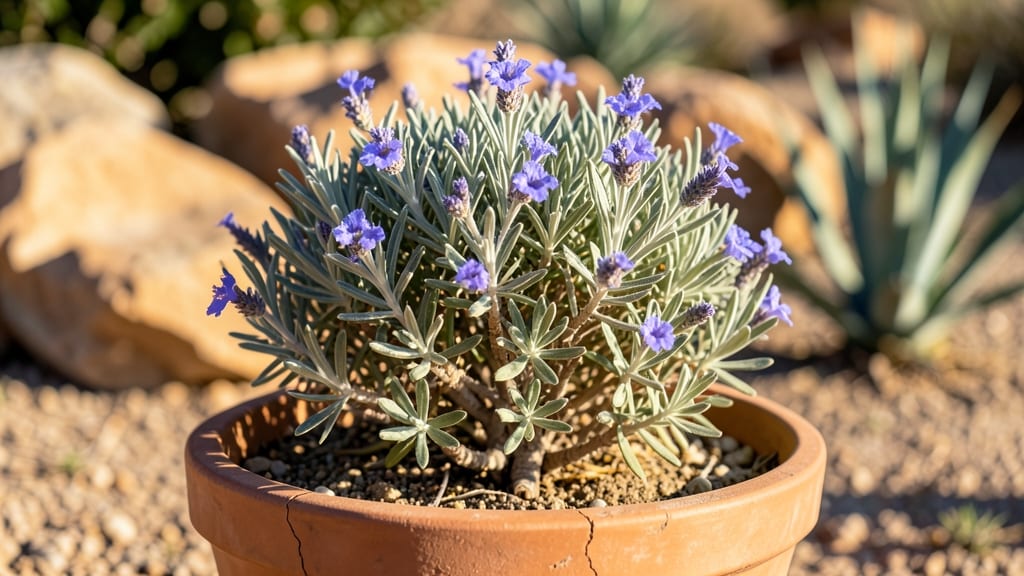
Texas sage is indeed a perennial shrub, meaning it returns year after year in warm climates but may lose its foliage during freezing temperatures. Its woody stems often survive winter, allowing regrowth once temperatures rise.
This hardy plant thrives in USDA zones 7 through 11, where it naturally persists through multiple growing seasons. 🌿 The key to its perennial behavior lies in its ability to withstand cold snaps by going dormant—its leaves may brown and drop, but the root system and woody stems remain alive beneath the soil.
Some cold-hardy cultivars even survive brief freezes down to 15°F, though prolonged sub-zero temperatures can damage the plant's structure.
What sets Texas sage apart from annuals is its resilience—once established, it often recovers from winter dieback with minimal care. Pruning back dead stems in early spring encourages fresh growth, while proper mulching can protect the roots from extreme cold.
This makes it a low-maintenance choice for gardeners in suitable climates.
💡 In This Article
- Texas Sage’s Perennial Nature and Cold Hardiness Zones
- Year-Round Care for Texas Sage in Cold Climates
Texas sage’s perennial nature and cold hardiness zones
Texas sage (Leucophyllum frutescens) earns its perennial status through its unique growth habit, where the plant’s woody stems act as a protective reservoir for stored nutrients and moisture.
Unlike herbaceous perennials that die back to the ground each winter, Texas sage retains its woody framework even when the leaves drop.
This adaptation allows it to regenerate foliage from dormant buds along the stems once temperatures rise above 40°F. 🌿 The plant’s survival strategy hinges on its deep root system, which can extend up to 3 feet underground to access water and nutrients during dormancy.
The plant’s cold tolerance varies by cultivar, but most thrive in USDA hardiness zones 7 through 11, where winter temperatures rarely drop below 10°F.
In zone 7, Texas sage may experience leaf drop but often survives with minimal damage, while in zone 6 or colder, prolonged exposure to 15°F or lower can kill the stems and require careful spring revival.
What’s fascinating is how the plant’s silvery-green leaves contain tiny hairs that reflect sunlight—this natural insulation helps protect the stems from rapid temperature fluctuations during winter.
What most gardeners overlook is how Texas sage’s growth cycle differs from true perennials like lavender or rosemary. While those plants maintain some green foliage year-round, Texas sage undergoes complete dormancy in cold climates, shedding all leaves to conserve energy.
This dormancy isn’t a sign of death but rather a survival mechanism that allows the plant to rebound quickly in spring. The key difference lies in its woody stems, which remain alive beneath the soil’s surface, unlike annuals that must be replanted each year. 🌱
For those pushing the limits in cooler climates, selecting cold-hardy cultivars like ‘Green Cloud’ or ‘Silverado’ makes a significant difference. These varieties have been bred to withstand brief freezes down to 15°F without permanent damage.
The secret to their resilience lies in thicker stems and more robust root systems that can withstand moisture loss during winter. Even in marginal zones, proper site selection—placing the plant where it receives afternoon sun but is sheltered from harsh winds—can mean the difference between survival and failure.
Understanding this growth pattern helps explain why Texas sage often appears dead in winter only to burst back to life in spring. The plant’s ability to regenerate from its woody framework is what truly defines its perennial nature.
This process isn’t instantaneous—it typically takes 4-6 weeks after consistent warm temperatures for new growth to emerge—but the results are worth the wait, with vibrant foliage that can reach 3-6 feet in height within a single growing season. 💫
What’s particularly interesting is how Texas sage’s perennial behavior contrasts with other drought-tolerant shrubs like desert willow. While both plants thrive in arid conditions, Texas sage’s ability to regrow from its woody structure gives it a distinct advantage in colder climates.
The plant’s natural resilience makes it an excellent choice for gardeners seeking low-maintenance, water-wise perennials that can handle both heat and occasional cold snaps.