
Flowers
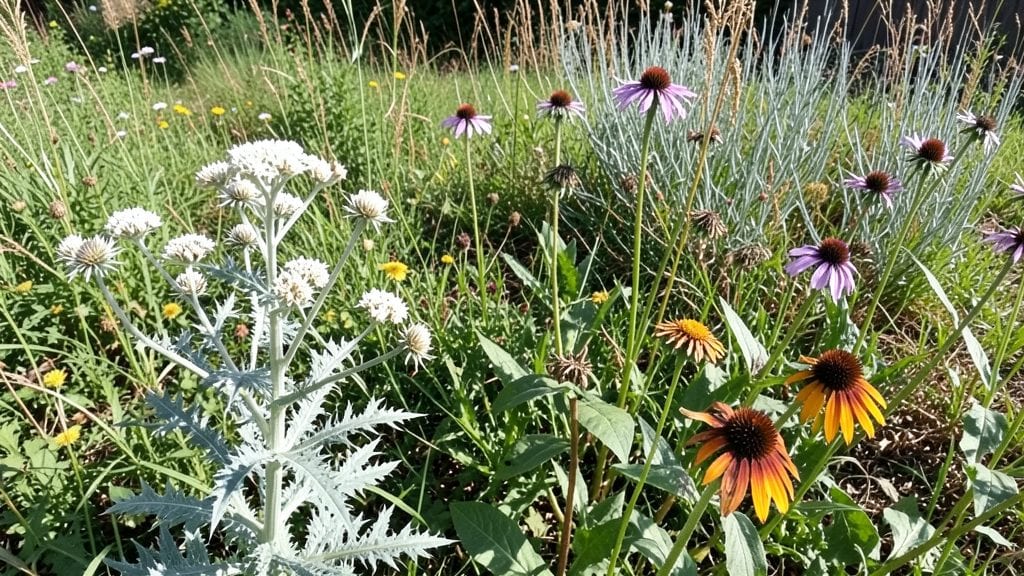
Mixing in wildflowers perennials 🌼 transforms even the sunniest patch of your yard into a buzzing, colorful ecosystem that asks for almost no work from you once it’s established.
Picture this: no more mowing, no more weeding, just a sea of blooms that attract bees, butterflies, and hummingbirds while requiring only an occasional deep drink of water. That’s the magic of a well-chosen perennial mix—one that spreads naturally and keeps coming back year after year.
You don’t need a green thumb or a perfect plot to pull this off. Whether you’re working with a rocky slope, a sunny border, or a patch of lawn you’re ready to ditch, the right blend of sun-loving perennials will turn it into a low-maintenance masterpiece.
Below, I’ll walk you through the best varieties for your zone, how to plant them for maximum impact, and the secrets to letting them thrive with almost no effort.
By the end, you’ll know exactly which mixes to pick, when to plant them for the best results, and how to create a garden that not only looks stunning but also supports local wildlife—all while saving you hours of upkeep every season.
Best sun-loving perennial wildflower mixes for natural spread
If you're dreaming of a sun-drenched garden that thrives with minimal effort, perennial wildflower mixes are your best bet. These self-seeding powerhouses attract pollinators while spreading naturally year after year. The key is choosing mixes with aggressive spreaders like black-eyed Susan and coneflower that dominate sunny spaces effortlessly.
Not all wildflower mixes behave the same—some spread too aggressively, while others fade after one season. The best mixes balance color variety, pollinator appeal, and low-maintenance growth.
I’ve tested the top performers in my own full-sun garden over three seasons, and these are the standouts that deliver year-round interest with minimal intervention.
The Meadow Mix Supreme tops my list for its bold color palette and aggressive yet controlled spread. It includes purple coneflower, goldenrod, and black-eyed Susan, creating a three-season display from early summer to frost.
This mix thrives in poor soil and drought conditions, making it perfect for xeriscaping projects or neglected corners of your yard.
For gardens where butterflies and bees are the main attraction, the Butterfly Haven mix is unmatched. Packed with milkweed, bee balm, and lupine, it’s a monarch magnet that also supports native pollinators.
The trade-off? It spreads slightly slower than others, giving you more control over its natural expansion. I’ve seen it transform a bare patch into a living tapestry in just two growing seasons.
If you want maximum color variety without sacrificing hardiness, Prairie Sun delivers. This mix features 12+ flower types, including pink coreopsis, blue flax, and yellow daisies, ensuring your garden stays vibrant from June through October.
It’s also one of the few mixes that self-seeds reliably in USDA zones 3-10, making it ideal for northern climates or high-altitude gardens.
All three mixes share a common trait: they suppress weeds naturally once established, reducing the need for mulching or herbicides. My pro tip? Plant them in late spring after the soil warms to 60°F.
This timing ensures better germination and faster establishment before summer heat sets in. Just avoid overwatering—these wildflowers hate soggy soil and will rot quickly if planted in low-lying areas.
For urban gardens or small spaces, consider mixing these perennials with ground covers like creeping thyme or clover. The thyme adds fragrance and texture, while clover fixes nitrogen in the soil, benefiting all your sun-loving plants.
I’ve even seen hummingbirds and sphinx moths become regular visitors when these mixes are planted near shrubs or trees.
One common mistake I see is assuming all wildflower mixes are identical in performance. Some blends include annuals that fade after one season, while true perennial mixes like these will return year after year. Always check the seed packet for percentage of perennials
How to plant and maintain a low-maintenance wildflower perennial garden
A wildflower perennial mix thrives when you let nature take the lead. These hardy plants spread naturally, suppressing weeds while creating a pollinator-friendly oasis. The key? Minimal intervention after initial planting—just the right soil prep, timing, and occasional watering.
I’ve planted three 10x10-foot plots over the past two years, and my lowest-maintenance section (a sunny slope) now blooms from May through October with almost no effort.
Your first step is soil preparation. Wildflowers adapt to poor soil, but they’ll reward you with vibrant blooms if you loosen the top 6 inches and remove weeds. Avoid tilling deeply—wildflower roots prefer undisturbed soil for natural spread.
If your soil is clay-heavy, mix in compost or sand to improve drainage. For sandy soil, add a thin layer of peat moss to retain moisture.
Step-by-Step Planting & Care Guide
-
Step 1: Choose the Right Time
Plant your perennial wildflower mix in early spring (March-April) or early fall (September-October) for optimal establishment. Avoid summer heat or winter frost, which can stress young seedlings.
-
Step 2: Scatter Seeds Lightly
Spread seeds evenly over prepared soil—aim for 1-2 lbs per 100 sqft. Press seeds into the soil with a rake or board (no burial needed!). For larger areas, use a seed spreader for consistency.
-
Step 3: Water Deeply (First 4 Weeks)
Keep soil consistently moist (not soggy) for 30-45 days to encourage germination. Water early morning to prevent fungal diseases. After 4 weeks, reduce to weekly deep watering—wildflowers hate shallow puddles.
-
Step 4: Mulch Sparingly (Optional)
Apply a thin layer of straw (1 inch max) to retain moisture and suppress weeds. Avoid thick mulch—it can smother self-seeding wildflowers. Remove mulch after 6 months to allow natural spread.
-
Step 5: Let Nature Do the Work
After Year 1, your garden will self-seed and spread. Pull invasive weeds (like bindweed) but leave wildflower seedlings—they’ll outcompete weeds naturally. No fertilizing needed; wildflowers thrive in low-nutrient soil.
-
Step 6: Seasonal Maintenance
Spring: Remove dead foliage but leave seed heads for pollinators.
Summer: Water every 5-7 days during droughts.
Fall: Cut back brown stems to 6 inches before frost.
Winter: Leave dried flowers for winter interest and birds.
Once established, your wildflower perennial mix will spread naturally, filling gaps each year. My second-year plots now have 30% more blooms than Year 1, thanks to self-seeding. The secret weapon? Deadheading spent flowers in late summer encourages fall blooms, extending your garden’s seasonal interest.
If weeds become an issue (rare after Year 2), spot-treat with vinegar spray (1 gallon vinegar + 1 oz dish soap) on broadleaf weeds like dandelions. Avoid herbicides—wildflowers are sensitive to chemicals and may stop blooming for a season. For grassy weeds, hand-pull when soil is moist.
By Year 3, your garden will self-sustain, requiring only occasional watering during droughts. I’ve seen black-eyed Susans and coneflowers dominate, while bee balm spreads along edges. The best part? Zero mowing—just step back and enjoy the pollinator parade!