
Flowers
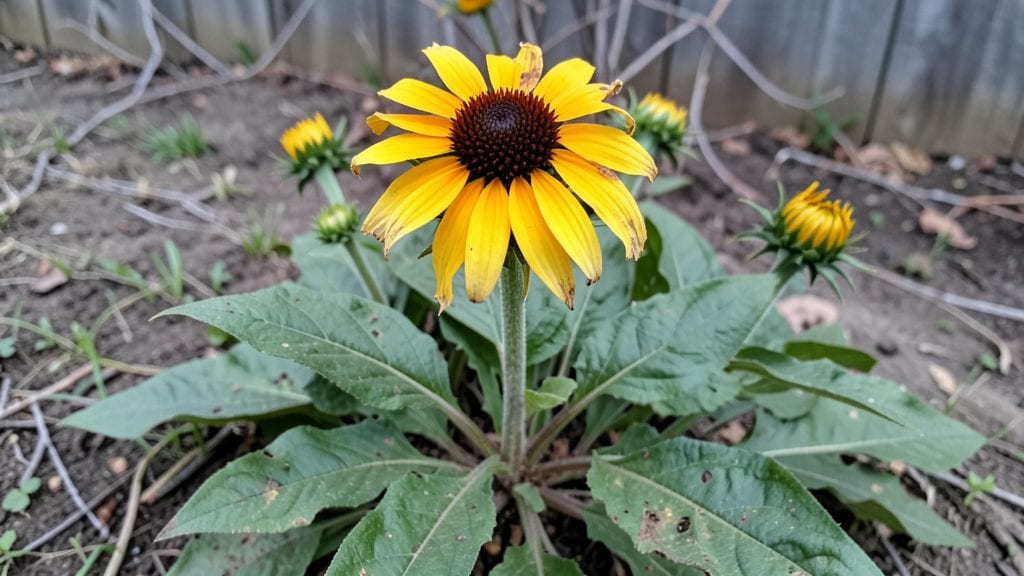
Growing rudbeckia fulgida perennials means adding a sun-loving, drought-tolerant plant that blooms like clockwork every year.
Picture this: a garden that thrives on neglect, where black-eyed Susans 🌼 stand tall through summer heat, their golden blooms feeding bees and butterflies while you sip lemonade in the shade. No fuss, no drama—just reliable color that comes back stronger each spring.
These perennials aren’t just pretty faces; they’re tough enough for USDA Zone 6a and beyond, happy in poor soil, and practically self-sufficient once established. That’s why they’re the go-to for gardeners who want beauty without the work.
In this guide, I’ll walk you through everything from planting in early spring to keeping them blooming all season—plus the one pruning trick that doubles your flowers next year.
Why rudbeckia fulgida perennials are perfect for sunny gardens
If you're dreaming of a sunny garden that thrives on neglect, Rudbeckia fulgida—or black-eyed Susan—is your perfect partner. This drought-resistant perennial doesn’t just survive in hot, dry conditions; it flourishes while demanding minimal care.
Unlike high-maintenance annuals, rudbeckia returns year after year, offering bold golden blooms that cheer up borders, meadows, and containers alike.
What sets rudbeckia apart is its ecological superpowers. Butterflies, bees, and hummingbirds adore its nectar-rich flowers, making it a pollinator magnet. Plus, its deep roots suppress weeds naturally, reducing your weeding workload.
Whether you're a busy gardener or a beginner, this plant delivers beauty and benefits with almost no effort.
🚨 summary table 🚨
| Characteristic | Details | Garden Benefit |
|---|---|---|
| Sunlight Needs | 6+ hours of full sun daily | Thrives in hot, sunny spots where other plants struggle |
| Water Requirements | Drought-tolerant after establishment | Reduces watering frequency and conserves resources |
| Soil Type | Adaptable to clay, loam, or sandy soil | Grows in poor or average soil with no fuss |
| USDA Hardiness Zones | 4-9 (cold-hardy and heat-tolerant) | Survives freezing winters and scorching summers |
| Pollinator Support | Attracts butterflies, bees, and hummingbirds | Boosts biodiversity and ecological health |
| Weed Suppression | Deep roots outcompete weeds naturally | Reduces weeding time by up to 50% |
| Bloom Season | Summer to early fall (July–October) | Provides long-lasting color when many perennials fade |
| Maintenance Level | Low-maintenance (minimal pruning needed) | Ideal for busy gardeners or beginner-friendly plots |
One of the biggest reasons gardeners love rudbeckia is its unmatched adaptability. Unlike fussy annuals that require constant deadheading or replanting, this perennial self-seeds modestly, ensuring your garden stays vibrant without extra work.
It also tolerates poor soil, meaning you don’t need to amend clay or sandy patches—just plant and watch it grow.
For those in USDA zones 4-9, rudbeckia is a reliable choice. It handles freezing winters and intense summer heat with ease, making it perfect for gardens in hot climates like Texas or cold regions like Minnesota.
Even in drought conditions, its deep taproot helps it access water, so you won’t need to water as frequently once established.
Beyond its practical benefits, rudbeckia adds textural contrast to gardens. The golden-yellow petals with dark brown centers create a striking visual against green foliage or purple blooms. Pair it with purple coneflowers or salvia for a pollinator-friendly color palette that never goes out of style.
If you're tired of annuals that fizzle out after one season, rudbeckia offers a long-term solution. Each year, it grows taller and fuller, while its self-cleaning blooms stay neat without deadheading. This makes it a cost-effective and low-stress addition to any sunny garden.
Another hidden perk is rudbeckia’s ability to improve soil health. As it grows, its roots break up compacted soil, allowing better drainage and aeration. Over time, this creates a healthier growing environment for other plants in your garden, reducing the need for soil amendments.
For gardeners prioritizing sustainability, rudbeckia is a standout. Its long bloom season (July–October) provides food for pollinators when many other flowers have faded. Plus, its low water needs make it a water-wise choice for eco-conscious landscapes.
Whether you're designing a wildflower meadow, a low-maintenance border, or a container garden, rudbeckia fits seamlessly. Its versatile height (1–3 feet) and compact growth habit make it ideal for small spaces or large swaths of color.
Try grouping it with black-eyed Susans in varying heights for a dynamic,
How to plant and care for rudbeckia fulgida for maximum blooms
Rudbeckia fulgida thrives with the right care, rewarding you with cheerful yellow blooms from mid-summer to frost. To maximize their performance, focus on proper planting depth, well-draining soil, and strategic pruning. These perennials are forgiving but respond beautifully to a little attention—especially in full sun conditions where they truly shine. Whether you're planting from seeds or dividing mature clumps, following these steps ensures your black-eyed Susans return year after year with vigor.
Start by choosing a sunny location with at least 6 hours of direct sunlight daily. Rudbeckia fulgida tolerates poor soil but performs best in loamy, slightly acidic soil with a pH between 5.5 and 7.0.
Amend heavy clay with compost or sand to improve drainage, as waterlogged roots lead to rot. For containers, use a lightweight potting mix with perlite to prevent compaction.
⚠️ callout warning
Planting Rudbeckia fulgida too closely (less than 12 inches apart) restricts airflow, increasing fungal diseases like powdery mildew. Space mature plants 18–24 inches apart for optimal airflow and bloom production. Overcrowded clumps also compete for nutrients, reducing flower size and quantity over time.
When planting, dig holes twice as wide as the root ball but only as deep as the container. Gently remove the plant, loosen roots if pot-bound, and place it in the hole with the top of the root ball level with the soil surface.
Backfill with native soil, pressing lightly to eliminate air pockets. Water thoroughly to settle the soil and encourage root contact.
Watering is critical in the first year to establish roots. Keep soil evenly moist but not soggy, aiming for 1 inch of water per week. Once established, reduce watering to once every 10–14 days, as Rudbeckia fulgida is drought-tolerant.
Water at the base of the plant in the morning to prevent fungal issues from evening moisture. Mulch with 2–3 inches of organic mulch (like shredded bark) to retain moisture and suppress weeds.
Pruning plays a key role in encouraging more blooms. After the first flush of flowers fades, cut back spent blooms to the nearest set of healthy leaves. This redirects energy to new flower production rather than seed development.
In late fall or early spring, cut back dead foliage to 1–2 inches above the ground to promote fresh growth. Avoid heavy pruning in summer, as it can stress the plant before its next bloom cycle.
To propagate Rudbeckia fulgida, divide mature clumps every 3–4 years in early spring or fall. Dig up the plant, separate the root sections with a sharp knife, ensuring each has 3–5 leaves and roots. Replant divisions immediately in prepared soil and water well.
Alternatively, sow seeds in late spring after the last frost, pressing them lightly into moist, well-draining soil. Seedlings may take 2–3 years to reach full bloom size but offer a cost-effective way to expand your garden.