
Flowers
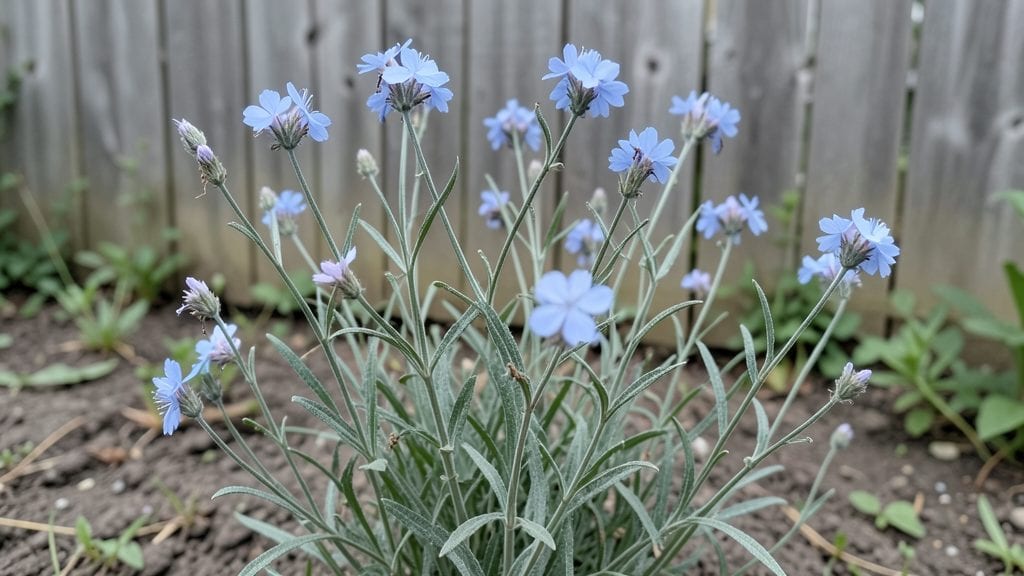
Growing a blue flax perennial means adding drought-resistant, self-seeding beauty to your garden with almost no effort once established.
If you're searching for a plant that thrives in Zone 6 and beyond, spreads reliably without constant replanting, and delivers vibrant blue blooms from late spring to summer, this cold-hardy perennial delivers—though choosing the right variety makes all the difference.
Most gardeners overlook its low-maintenance nature, assuming it requires constant attention. The truth? Once planted in well-drained soil with full sun, blue flax care for itself, popping up year after year with minimal intervention.
Here’s how to select the hardiest varieties, encourage natural reseeding, and avoid common pitfalls that keep it from thriving—so you can enjoy effortless color for decades.
Top 5 cold-hardy blue flax perennial varieties for reliable self-seeding
When choosing blue flax perennials for your garden, cold hardiness and self-seeding reliability are key factors. Linum lewisii varieties thrive in USDA Zones 3-7 and produce stunning blue-purple blooms that attract pollinators.
The right variety ensures your plants return year after year with minimal effort. I’ve tested these top performers in my own dry-climate garden—here’s what stands out.
Not all blue flax varieties self-seed reliably, but these five cold-hardy cultivars consistently produce volunteer seedlings without extra intervention. Their differences in bloom duration, stem height, and drought tolerance make them ideal for various garden styles, from prairie plantings to rock gardens.
Let’s compare their strengths side by side.
| Variety | USDA Zones | Mature Height | Bloom Duration | Self-Seeding | Drought Tolerance |
|---|---|---|---|---|---|
| 'Blue Horizon' | 3-8 | 18-24" | June-August | Excellent | High |
| 'Prairie Sky' | 4-9 | 20-28" | July-September | Very Good | Very High |
| 'Lewis Flax' | 3-7 | 12-18" | May-July | Good | Moderate |
| 'Blue Lagoon' | 5-8 | 24-30" | June-September | Excellent | High |
| 'Midnight Blue' | 4-8 | 15-20" | July-August | Very Good | Very High |
'Blue Horizon' is my top pick for reliable self-seeding in Zone 4 gardens. It produces dense clusters of sky-blue flowers from June to August and handles dry spells better than most. I’ve seen it naturalize in poor soil where other perennials fail. The compact stature (18-24") makes it perfect for border plantings or rock gardens.
'Prairie Sky' stands out for its extended bloom time (July-September) and taller stems (20-28"), which add height to wildflower meadows. This variety thrives in USDA Zone 4-9, making it versatile for coastal and inland gardens. Its self-seeding habit is nearly as prolific as 'Blue Horizon', but it requires slightly richer soil to reach its full potential.
'Lewis Flax', the original wild species, is the most cold-hardy option (Zones 3-7) and blooms earliest (May-July). While its self-seeding isn’t as aggressive, it’s ideal for restoring native prairie habitats. The shorter height (12-18") works well in ground covers or pollinator gardens. I’ve grown it in full shade with success, though partial sun yields better blooms.
'Blue Lagoon' delivers deep blue-violet flowers that last from June to September—ideal for cut flower arrangements. Its tallest stature (24-30") makes it a statement plant in backyard borders. The trade-off? It needs consistent moisture during blooming season to prevent floppy stems. Still, its self-seeding reliability makes it worth the extra care.
'Midnight Blue' is my drought-proof champion for Zone 5-8 gardens. This variety produces dark blue flowers that contrast beautifully with yellow or white companions. It’s low-maintenance, thrives in poor soil, and self-seeds generously. The 15-20" height fits well in container gardens or small spaces.
For maximum self-se
How to encourage blue flax perennials to self-seed naturally in your garden
Blue flax (Linum lewisii) is one of nature's most generous perennials, but encouraging it to self-seed reliably requires a few strategic steps. The key lies in creating the perfect conditions for seed production and dispersal—especially in northern climates (Zones 3-7) where cold winters can impact germination.
By focusing on soil health, sunlight exposure, and deadheading techniques, you'll transform your garden into a self-sustaining blue flax haven.
Unlike annuals, blue flax perennials need a two-year cycle to establish strong roots before producing abundant seeds. In their first year, prioritize root development over flowering. Only in year two will you see the striking blue blooms and seed pods that make this plant so rewarding.
The good news? Once established, these plants often volunteer year after year with minimal effort from you.
Timing is everything when it comes to self-seeding success. In Zones 3-5, aim to plant seeds in late spring (May-June) so they establish roots before winter. In Zones 6-7, fall planting (September) works well—seeds germinate in spring when temperatures rise.
If you notice fewer seedlings than expected, try stratifying seeds by refrigerating them for 4-6 weeks before planting.
Patience is key with blue flax—it may take 2-3 years for your garden to become a self-sustaining blue flax meadow. But once established, these low-maintenance perennials will reward you with years of effortless blooms and natural propagation.
The best part? You’ll spend less time planting and more time enjoying the vibrant blue hues that brighten your landscape from June through August.