
Plants
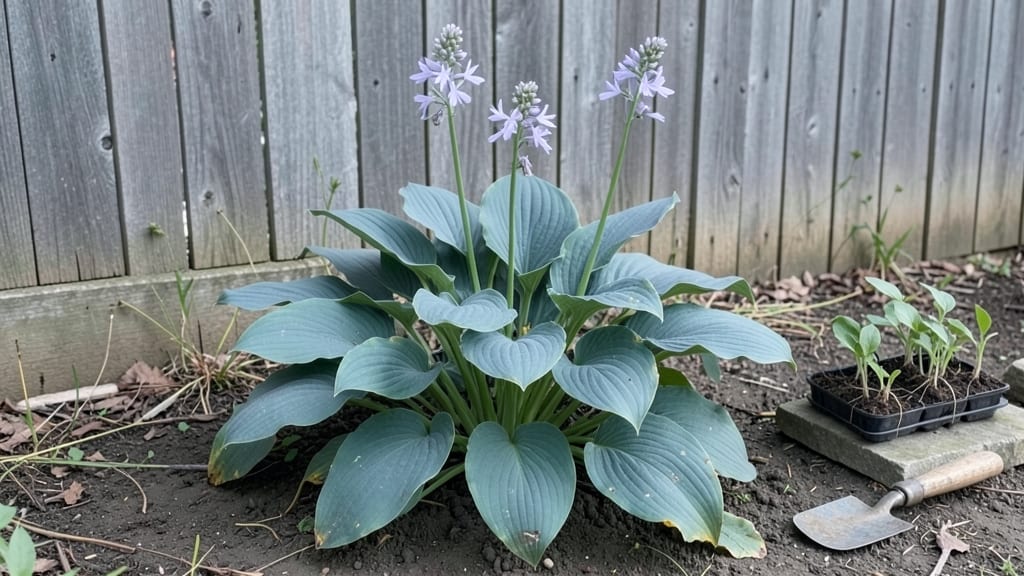
To plant perennials in Massachusetts, time your efforts by hardiness zones: spring varieties like peonies or irises belong in early spring (March–April), while fall favorites such as asters or coneflowers establish best when soil cools (September–October). Frost-sensitive plants should wait until after the last frost (typically late May in Zone 5).
Massachusetts gardeners know timing is everything—planting too early risks frost damage, while waiting too long can stunt root growth.
The state's USDA Zones 5–6b mean coastal areas (like Cape Cod) often have milder winters than inland spots (such as Worcester), so adjust your schedule accordingly. 🌱 For example, hostas thrive in Zone 5's cooler soils, while lavender—preferring Zone 6b's warmth—needs extra protection in colder microclimates.
Pro tip: soil temperature matters more than calendar dates. Use a soil thermometer to confirm 50–60°F for spring plantings and 60–70°F for fall varieties. This small step can mean the difference between a lush garden and struggling transplants.
Container gardens also benefit from earlier planting, as their controlled environments warm faster than in-ground beds.
💡 In This Article
- Massachusetts Hardiness Zones and Perennial Planting Windows
- Step-by-Step Perennial Planting Calendar for Massachusetts Gardens
Massachusetts hardiness zones and perennial planting windows
Massachusetts spans USDA Zones 5a–6b, with Boston and coastal areas typically in Zone 6a, while inland cities like Worcester and Springfield fall into Zone 5b. The key difference? Coastal regions experience milder winters due to ocean moderation, while inland zones face harsher frost patterns.
For example, Boston’s average last spring frost occurs around April 15, whereas Worcester’s can linger until May 1. This two-week window directly impacts when you can safely plant frost-sensitive perennials like beebalm or black-eyed Susans.
The science behind this lies in soil temperature thresholds. Most perennials establish best when soil reaches 50–60°F—a condition coastal areas hit 2–3 weeks earlier than inland spots.
For instance, hostas (ideal for Zone 5) can go into the ground in early April in Boston, but may need to wait until late April in Springfield.
Conversely, fall-planted varieties like Russian sage or sedum thrive when soil cools to 60–70°F, typically September 1–15 in Zone 6b but stretching to September 15–30 in Zone 5.
Microclimates add another layer. South-facing slopes warm faster than shaded areas, allowing earlier planting by 1–2 weeks. Coastal gardens near saltwater also benefit from 1–2°F warmer soil temperatures due to maritime influence.
For example, lavender—preferring Zone 6b’s warmth—can thrive in coastal Zone 6a with winter protection, while inland gardens may struggle unless planted in sheltered microclimates like against a south-facing wall.
Here’s how to adjust for your specific zone:
- Zone 5 (Worcester/Springfield): Plant spring perennials like peonies or daylilies after April 20; fall varieties (e.g., asters) go in by September 15
- Zone 6a (Boston/Cape Cod): Extend spring planting to April 1–15; fall planting can continue until October 1 in coastal areas
- Zone 6b (Western MA hills): Prioritize heat-loving perennials like lavender or salvia; plant spring varieties by April 10 and fall varieties by September 1
Soil preparation is equally critical. Amend heavy clay soils (common in Zone 5) with compost or sand to improve drainage, while sandy soils (coastal areas) benefit from organic matter to retain moisture. Mulching with 3–4 inches of straw or wood chips after planting helps regulate soil temperature and suppress weeds—especially important in Massachusetts’ unpredictable spring weather patterns.
What most gardeners overlook is the root zone temperature. Even if air temperatures rise, soil may remain too cold for root establishment. Use a soil thermometer to confirm readiness—this simple tool can save you from transplant shock.
For example, coneflowers (Echinacea) planted in 45°F soil will struggle, while the same plants in 55°F soil establish vigorously.
Remember: the 10-day forecast isn’t your friend—track local frost dates using resources like the National Weather Service’s Frost/Freeze Product or your county’s cooperative extension service. These tools provide hyperlocal data that calendar dates simply can’t match. 🌿