
Planting
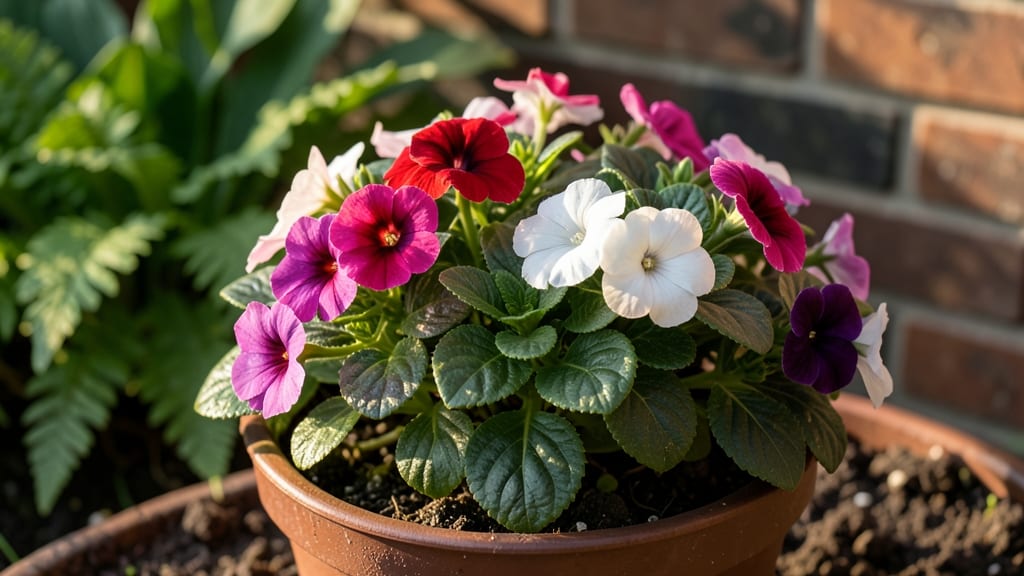
Impatiens plants function as annuals in most climates because they can't survive freezing temperatures, even though they're technically tender perennials in their tropical origins. Their foliage dies back with frost, but the roots may persist underground and regrow if protected or replanted each spring.
Impatiens thrive in warm climates where they can naturally return year after year, but their delicate nature makes them vulnerable to frost. 🌱 In northern regions, gardeners often treat them as annuals since they won't survive winter outdoors—though their roots can sometimes endure mild winters if mulched heavily.
The key difference lies in their ability to regenerate from roots when conditions improve, which is why many gardeners replant them annually rather than risk losing them to cold snaps.
What's fascinating is how their growth cycle mirrors their tropical heritage. These plants love warmth and humidity, which is why they flourish in summer gardens but struggle when temperatures drop below 40°F.
In warmer zones (USDA 10-11), they can sometimes overwinter with proper care, but most gardeners in colder areas simply start fresh each season to avoid disappointment.
💡 In This Article
- Why Impatiens Die Back in Cold Climates
- How to Extend Impatiens Season as a Perennial
Why impatiens die back in cold climates
Impatiens originate from tropical regions of East Africa and Southeast Asia, where temperatures rarely drop below 60°F and humidity stays consistently high. Their delicate foliage and stems contain minimal cold tolerance because they evolved without frost exposure.
When temperatures fall to 32°F or below, the plant's cellular structure freezes, causing irreversible damage to leaves and stems—a process called cryoinjury. This is why impatiens in USDA zones 7 and colder typically die back completely each winter.
The roots, however, often survive because they're insulated by soil and organic matter, which acts like a natural blanket. Studies show impatiens roots can endure brief exposures to 28°F if protected by mulch, though prolonged freezing (20°F or lower) will kill them too.
The plant's survival strategy relies on this root persistence—when spring arrives, new shoots emerge from these protected underground structures, provided the roots weren't fatally damaged. 🌱
What's particularly interesting is how impatiens' growth cycle adapts to seasonal changes. In their native tropical environment, they grow continuously year-round, but in temperate climates, they've developed a dormant phase triggered by cold exposure.
This dormancy isn't true hibernation like hardy perennials—it's more of a survival mechanism where the plant conserves energy until conditions improve. The key threshold is 45°F: below this, growth stops completely, and above it, regrowth begins.
Climate zones play a massive role in determining whether impatiens behave as annuals or perennials. In USDA zones 10-11, where winters rarely drop below 40°F, impatiens can often overwinter naturally, returning year after year.
But in zones 5-9, gardeners must either protect plants or replant annually because the risk of frost damage increases dramatically. The transition zone (zone 8-9) is where you see the most variation—some plants survive winters, while others don't, depending on microclimates and specific weather patterns.
Here's what happens at the cellular level during frost exposure: Ice crystals form in the plant's extracellular spaces, dehydrating cells and rupturing membranes. Impatiens lack the antifreeze proteins found in cold-hardy plants like pansies, which is why they're so vulnerable.
Their tropical heritage means they've never developed these protective adaptations, making them one of the most frost-sensitive garden plants. 💫
The good news is that even in cold climates, you can often salvage impatiens by cutting back dead foliage in early spring and watching for new shoots. The roots may still be viable even if the plant looks completely dead.
This is why many gardeners swear by heavy mulching (4-6 inches of straw or leaves) in fall to give roots a fighting chance against winter's chill.