
Companion Plants
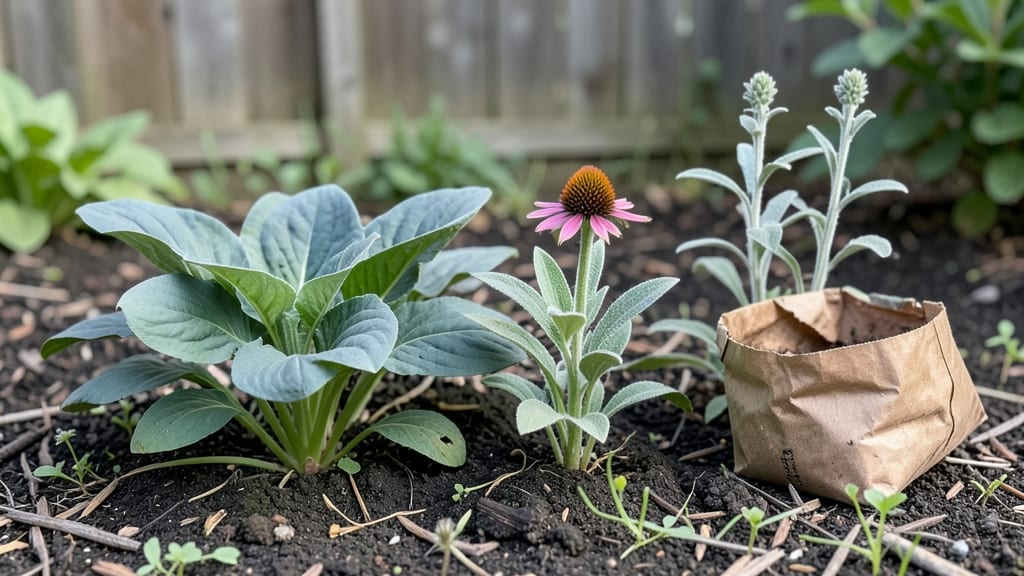
To plant perennials in Zone 6, time it based on plant type: hardy varieties like lavender or Russian sage can be transplanted in early spring (after frost risk) or fall (6-8 weeks before first freeze), while tender perennials like cannas or dahlias should wait until after the last frost (mid-May to early June). Always verify your last frost date for accuracy.
Understanding your Zone 6 climate is key—this region typically sees last frosts between mid-April and mid-May, while first frosts arrive around mid-October to early November. 🌱 Hardy perennials handle cooler soils better, which is why spring planting works for them, while tender varieties need warmer ground to establish roots.
I’ve found that preparing the soil with compost before planting gives these plants a stronger start, especially when dealing with the temperature swings common in Zone 6.
For those who prefer fall planting, aim to get plants in the ground 6-8 weeks before expected frost—this gives roots time to settle before winter dormancy. Mulching with 2-3 inches of organic material helps insulate roots and retain moisture during both summer droughts and winter freezes.
The right timing isn’t just about avoiding frost; it’s about giving your perennials the best chance to thrive in your specific microclimate.
💡 In This Article
- Zone 6 Frost Dates and Perennial Hardiness Zones
- Best Perennials for Zone 6 Planting by Season
Zone 6 frost dates and perennial hardiness zones
Zone 6's planting windows hinge on two critical factors: your last average frost date (typically April 15–May 15) and first frost date (October 15–November 15).
The USDA Plant Hardiness Zone Map divides Zone 6 into subzones 6a (-10°F to -5°F) and 6b (-5°F to 0°F), which directly influence which perennials survive.
For example, a hardy perennial like catmint (Zone 3-8) thrives in both subzones, while tender cannas (Zone 7-10) need warmer soil to establish roots before summer heat sets in.
The science behind this timing involves soil temperature—most perennials need soil to reach 50-60°F before planting.
In Zone 6, spring soil warms gradually, often reaching this threshold by late April to early May, while fall soil cools quickly after September 15. 🌡️ Using a soil thermometer helps verify readiness, especially for heat-sensitive perennials like hostas (Zone 3-9) that can suffer if planted too early in warm soil.
The 3-4 week window before/after frost gives roots time to establish before extreme temperatures arrive.
Here's how to match plants to your zone: Start by checking the hardiness rating on plant tags—anything labeled Zone 3-8 (like Russian sage) can handle Zone 6 winters, while Zone 7+ plants (like canna lilies) need summer heat.
For fall planting, aim to get plants in 6-8 weeks before first frost—this gives roots time to grow 2-3 inches deep before dormancy. Mulching with 2-3 inches of straw after planting helps insulate roots through winter.
What most gardeners overlook is microclimate variation—even within Zone 6, frost dates can differ by 1-2 weeks between urban areas (warmer) and rural spots (colder). For instance, Chicago (Zone 5b) averages last frosts around May 10, while Washington, D.C.
(Zone 7a) sees them by April 15. Use local weather data or plant when nearby ornamental grasses (like switchgrass) begin greening up—this signals soil warmth.
To maximize success, combine frost dates with moon phase planting—root crops (like peony tubers) planted during a waxing moon establish faster. For tender perennials, wait until nighttime temperatures stay above 55°F for 5 consecutive days before transplanting.
This ensures roots won't shock from sudden cold snaps that can occur even after the last frost.
Pro tip: Use a frost calendar from your local cooperative extension office—they provide 10-year averages that account for climate shifts. For example, Pittsburgh (Zone 6a) has seen last frosts creep 2 weeks earlier since the 1980s due to warming trends. Adjust your planting schedule accordingly to avoid frost damage.
Remember, the goal is to give perennials 6-8 weeks of active growth before extreme temperatures arrive—whether that's summer heat or winter freeze. This window ensures roots develop enough to sustain the plant through dormancy. 💫