
Planting
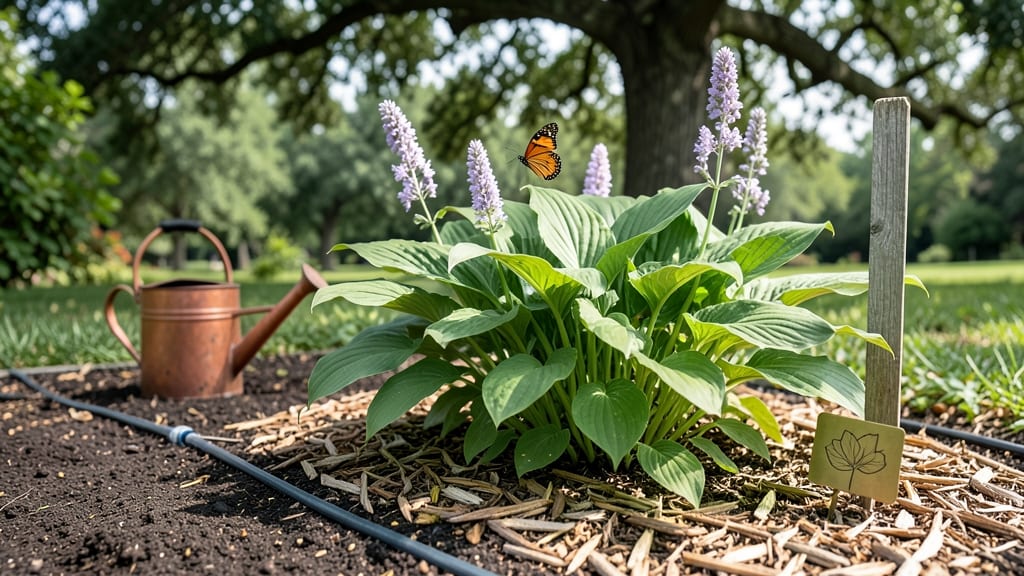
For sun perennials in Zone 6, black-eyed Susans, coneflowers, and daylilies are your best bets—they handle cold winters, full sun exposure, and well-drained soil while delivering vibrant blooms year after year.
These hardy perennials thrive in Zone 6 because they've evolved to resist freezing temperatures through deep root systems and natural dormancy strategies. 🌿 Unlike annuals that die back each winter, these plants store energy underground, then burst back to life with minimal care when spring arrives.
The key to their success lies in their ability to balance moisture retention with heat tolerance—critical traits for surviving both cold snaps and hot summer days.
When planting, focus on well-drained soil mixed with compost to give roots a strong foundation. Spacing matters too—most perennials need 12-24 inches between plants for proper airflow, which prevents fungal diseases.
A 2-3 inch layer of mulch around the base helps regulate soil temperature and retain moisture during dry spells, while also protecting roots from extreme cold.
💡 In This Article
- Why These Sun Perennials Survive Zone 6 Winters
- Planting and Care Tips for Zone 6 Sun Perennials
Why these sun perennials survive Zone 6 winters
Zone 6 perennials like black-eyed Susans and coneflowers endure winters thanks to their deep taproot systems that extend 3-5 feet underground. These roots act like natural storage units, preserving energy reserves during dormancy when above-ground growth halts.
Unlike shallow-rooted annuals, perennials can access moisture from deeper soil layers, giving them a survival advantage during frost periods when surface water freezes.
The secret lies in their cold acclimation process. As temperatures drop below 40°F, these plants increase production of protective sugars and proteins that act like antifreeze in their cells. For example, daylilies can tolerate down to -25°F because their rhizomes (underground stems) contain high levels of these cryoprotectants.
This biological adaptation explains why they rebound so vigorously each spring while many other plants struggle with winter dieback.
Heat tolerance plays an equally crucial role in their year-round success. During summer months, these perennials have evolved heat-resistant foliage with waxy coatings that reduce water loss. Black-eyed Susans, for instance, have leaves that reflect up to 30% more sunlight than non-hardy varieties, preventing overheating.
This dual resilience—cold hardiness and heat tolerance—makes them ideal for Zone 6's 30-40°F winter lows and 85-95°F summer highs. 🌡️
Comparing them to other hardy plants reveals their unique advantages. While some perennials like hostas rely on thick leaves for insulation, sun-loving varieties prioritize root development.
Coneflowers, for example, develop root systems that spread 12-18 inches wide annually, creating a dense network that stabilizes the plant against winter winds and soil movement. This architectural strength explains why they often outlast less robust perennials in exposed garden locations.
Another key factor is their dormancy timing. Most Zone 6 sun perennials enter dormancy gradually as days shorten, rather than abruptly. This phased approach allows them to complete critical growth stages before winter sets in.
The result? They emerge earlier in spring with more energy stored, leading to 2-3 weeks longer bloom seasons compared to less adapted varieties.
What most gardeners don't realize is how these plants regulate their own water needs during dormancy. Through a process called "osmotic adjustment," they increase the concentration of solutes in their cells, lowering the freezing point of water within their tissues.
This natural mechanism means they can survive 10-14 days of sub-zero temperatures without visible damage—a crucial advantage in Zone 6's unpredictable winters.
For optimal performance, these perennials need 6-8 hours of direct sunlight daily, which triggers their natural production of protective pigments. The deeper the reds and purples in their foliage (like in Russian sage), the better their cold resistance.
This explains why they thrive in full sun while many shade-tolerant perennials struggle in Zone 6's harsh winters. 💫