
Planting
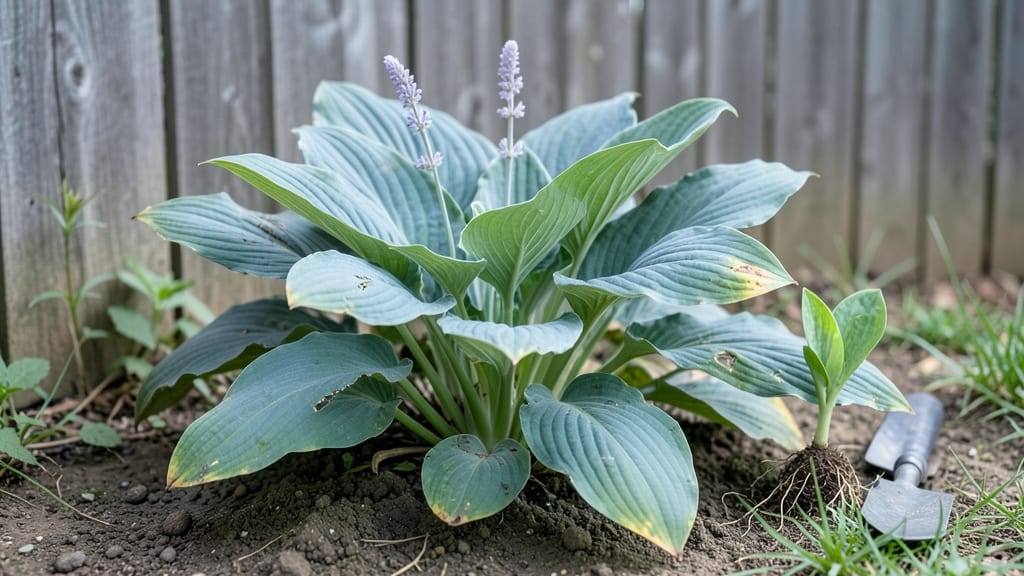
A strategic Zone 5 perennials planting schedule ensures vibrant blooms year after year: cold-hardy plants like lavender and Russian sage go in early spring (April), tender varieties such as salvia or coneflowers wait until after last frost (mid-May), and spring-blooming types like peonies get planted in fall (September-October) for strong root growth before winter. Always verify your local frost dates for perfect timing.
A well-timed planting schedule isn't just about avoiding frost—it's about giving perennials the best chance to establish roots before extreme temperatures hit. 🌱 For instance, fall-planted peonies need time to develop roots before winter dormancy, while late-spring transplants like black-eyed Susans benefit from warm soil to prevent shock.
I’ve found that mulching after planting can extend the window for frost-sensitive species by insulating the soil and retaining moisture.
Zone 5’s frost dates vary slightly by location, so checking your last spring frost (typically mid-April to early May) and first fall frost (mid-October) is key. Microclimates—like south-facing slopes—can also shift these dates by a week or more.
For example, hellebores thrive in early spring because they bloom before leaves emerge, while catmint handles late frosts better than many perennials.
💡 In This Article
- Understanding Zone 5 Frost Dates and Perennial Hardiness
- Best Perennials for Zone 5 by Seasonal Planting Groups
Understanding Zone 5 frost dates and perennial hardiness
Zone 5's frost windows are determined by average annual minimum temperatures of -15°F to -20°F, but the critical timing for perennials revolves around soil temperatures and frost-free periods. The last spring frost typically occurs between mid-April and early May, while the first fall frost arrives around mid-October.
These dates create a 120-140 day frost-free growing season, which directly impacts when perennials can safely be planted or transplanted. The science here involves plant dormancy cycles—many perennials enter dormancy when soil temperatures drop below 40°F, making late fall or early spring the optimal windows for root establishment.
Microclimates within Zone 5 can shift these dates by 1-2 weeks, depending on factors like elevation, proximity to water, and urban heat islands. For example, a south-facing slope might experience its last frost 7-10 days earlier than a low-lying valley.
This is why gardeners in Zone 5 should monitor local frost records—tools like the National Weather Service's frost prediction maps provide hyper-localized data. Perennials like hellebores (Helleborus spp.) thrive in early spring because they bloom before leaves fully emerge, tolerating light frosts down to 10°F once established.
Conversely, catmint (Nepeta spp.) handles late frosts better than many perennials due to its woody stems and deep root systems.
Soil temperature plays a pivotal role in extending planting windows for frost-sensitive species. Most perennials won't transplant well until soil warms to 50-55°F, which in Zone 5 usually occurs by late April to early May.
Mulching with 3-4 inches of straw or shredded leaves can insulate the soil, delaying frost damage by 2-4 weeks in fall or accelerating warming in spring.
For example, adding mulch to newly planted black-eyed Susans (Rudbeckia spp.) in late summer can protect roots through an early frost, while spring mulch helps retain moisture during dry spells. The key is balancing insulation with airflow—too much mulch can suffocate roots in warm weather.
Here’s what’s actually happening with frost tolerance in perennials: Cold-hardy varieties like Russian sage (Perovskia atriplicifolia) and lavender (Lavandula spp.) have adapted to survive winter desiccation by producing antifreeze-like proteins in their cells. These proteins prevent ice crystals from forming in tissues, allowing them to withstand -20°F temperatures.
Tender perennials, like salvia (Salvia nemorosa), lack these proteins and must be planted after the last frost to avoid winterkill. The difference lies in their cellular chemistry—hardy perennials prioritize survival over growth during cold months, while tender species focus on rapid growth when conditions are favorable.
For gardeners pushing the limits, season extension techniques like row covers or cold frames can shift planting windows by 3-6 weeks.
For instance, using a floating row cover over newly transplanted coneflowers (Echinacea spp.) in late April can protect them from late frosts while allowing sunlight and rain to penetrate.
The trade-off is that these methods require monitoring—removing covers too early can expose plants to heat stress, while leaving them on too long may trap moisture and encourage fungal growth. Always secure covers with bricks or stakes to prevent wind damage during storms.
What most people don’t realize is how plant maturity interacts with frost tolerance. A 2-year-old peony (Paeonia spp.) can handle -30°F once fully established, but a newly planted one may succumb to 20°F without proper mulching.
This is why fall planting for spring-blooming perennials—like daylilies (Hemerocallis spp.)—gives roots time to develop before winter. The rule of thumb is to plant perennials 6-8 weeks before the first hard frost to allow roots to reach 6-12 inches deep before dormancy sets in. 🌿