
Flowers
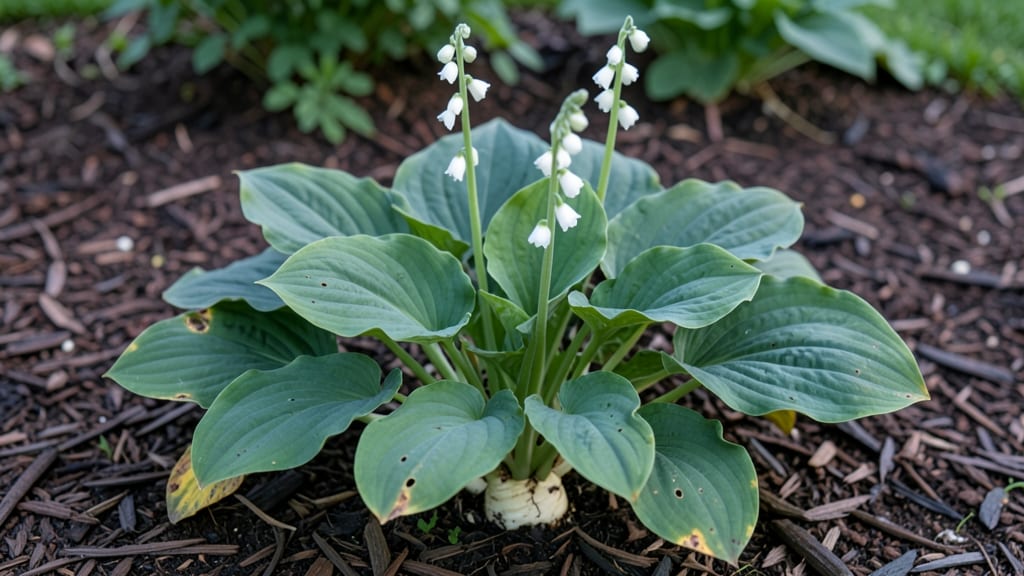
Perennials thrive because their root systems store energy underground, allowing them to push through soil each spring like clockwork. 🌱 Unlike annuals that complete their life cycle in one season, perennials build resilience over time, often becoming more robust and productive with age.
This makes them ideal for low-maintenance gardens, as they return year after year with minimal effort once established.
What sets them apart is their ability to enter dormancy during harsh weather—whether winter cold or summer drought—only to rebound when conditions improve. This adaptability explains why gardeners favor perennials like coneflowers or hostas: they deliver consistent beauty with far less replanting than seasonal flowers.
💡 In This Article
- How Perennial Plants Differ from Annuals and Biennials
- Best Perennial Plants for Gardens and Landscapes
How perennial plants differ from annuals and biennials
The key difference lies in their root systems and life cycles. Perennials develop deep, extensive roots that store carbohydrates like starches and sugars, allowing them to survive harsh seasons. These roots can grow 3-5 feet deep, accessing water and nutrients that annuals simply can't reach.
When winter arrives, perennials enter dormancy but keep their roots alive—like a hibernating bear conserving energy until spring.
Annuals, by contrast, complete their entire life cycle in one growing season. Their roots are shallow (1-2 feet deep) and don't store energy, so they die back completely after flowering and seeding. This is why you replant marigolds or zinnias every year—they've exhausted their resources.
Biennials split the difference: they grow leaves and roots their first year, then flower and die the second, like carrots or foxgloves.
The dormancy mechanism is where perennials truly shine. During winter, their above-ground growth may brown and die, but the roots remain active at temperatures as low as 20°F.
Some perennials, like peonies, even grow new shoots underground during dormancy. This contrasts with annuals, which have no survival strategy beyond seed production.
Consider the example of black-eyed Susans: a perennial that may bloom from June through October each year from the same root system. An annual sunflower, however, would need to be replanted annually to achieve the same visual impact.
The trade-off? Perennials often require 1-2 years to reach full maturity, while annuals deliver instant color.
Another critical factor is their response to pruning. Perennials like lavender can be cut back aggressively in early spring, as their roots will regenerate foliage. Annuals, however, would be permanently damaged by such treatment.
This resilience makes perennials the backbone of sustainable gardens—once established, they require far less maintenance than their seasonal counterparts.
What most gardeners don't realize is how perennials adapt their growth patterns. Some, like hostas, focus energy on leaf production early in the season, then bloom later.
Others, like daylilies, produce multiple flower stalks from the same root crown. This multi-season performance is what makes perennials the ultimate low-effort garden investment. 🌿