
Plants
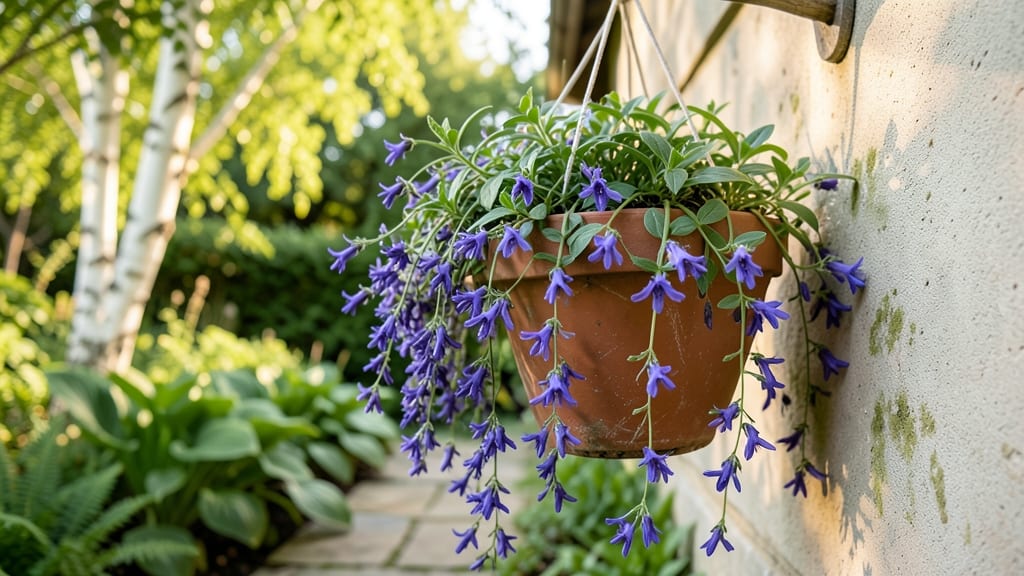
A trailing perennial is a plant that spreads horizontally via underground rhizomes or stolons, creating new shoots while retaining its woody root system year-round. Unlike annuals, it regrows season after season, forming dense ground covers or cascading mats in gardens and landscapes.
A trailing perennial isn't just a plant that comes back every year—it's a spreading powerhouse that uses underground stems to create a living carpet. 🌿 These rhizomes or stolons act like nature's own runners, sending out new shoots while keeping the parent plant alive, which is why they thrive even after heavy foot traffic or harsh winters.
Unlike traditional perennials that grow upward from a single crown, trailing types expand outward, filling gaps and crowding out weeds naturally.
This growth habit makes them perfect for slopes, borders, or areas where you want instant ground coverage. For example, creeping thyme or ajuga will fill in bare spots faster than most plants, while still being easy to maintain with occasional trimming.
The key to managing them is understanding their natural spread—some varieties can become invasive if left unchecked, so knowing your climate and soil type helps you pick the right ones for your space.
💡 In This Article
- How Trailing Perennial Rhizomes Work
- Best Trailing Perennials for Gardens and Landscapes
How trailing perennial rhizomes work
Trailing perennials spread using specialized underground stems called rhizomes or stolons, which function like nature’s own cloning system. Rhizomes grow horizontally just below the soil surface, storing nutrients and sending up new shoots at nodes spaced 3-12 inches apart.
Stolons, meanwhile, grow above ground before rooting at nodes, creating a sprawling mat. This horizontal growth contrasts sharply with traditional perennials, which regrow from a single woody crown or taproot each spring. 🌱
The rhizome structure gives these plants extraordinary resilience. For example, creeping phlox can survive drought by drawing moisture from its extensive rhizome network, while ajuga thrives in poor soil because its rhizomes store nutrients.
Studies show rhizomes can penetrate 12-18 inches deep, anchoring the plant while allowing it to adapt to soil compaction or erosion. This explains why trailing perennials often outlast annuals or even some shrubs in harsh conditions.
What makes this system so effective is its redundancy. If a shoot dies back due to frost or foot traffic, the rhizome system ensures new growth emerges nearby.
Unlike annuals that must reseed yearly or biennials that take two years to flower, trailing perennials maintain their energy reserves underground, ready to burst into action when conditions improve. This is why they’re ideal for high-traffic areas or slopes where other plants would struggle. 💪
The spread rate varies dramatically by species. For instance, creeping Charlie (a stolon-spreading ground cover) can expand 12-24 inches per year, while creeping juniper spreads more slowly at 6-12 inches annually.
This difference matters when planning your garden—some varieties need regular pruning to prevent overcrowding, while others are left to their own devices. The key is matching the plant’s natural spread to your available space.
Another fascinating aspect is how rhizomes interact with soil microbes. Research shows these underground stems form symbiotic relationships with fungi, creating mycorrhizal networks that enhance nutrient uptake. This biological partnership explains why trailing perennials often thrive in challenging soils where other plants would fail.
The rhizome’s porous structure also allows for better water absorption during dry spells, making these plants exceptionally drought-tolerant once established. 🌧️
Understanding this growth mechanism helps explain why trailing perennials are so effective at crowding out weeds. Their dense foliage blocks sunlight from reaching weed seeds, while their extensive root systems compete aggressively for resources.
This natural suppression is why landscape designers often use them as living mulch—reducing the need for synthetic weed killers while creating beautiful, low-maintenance ground covers.