
Orchid Care
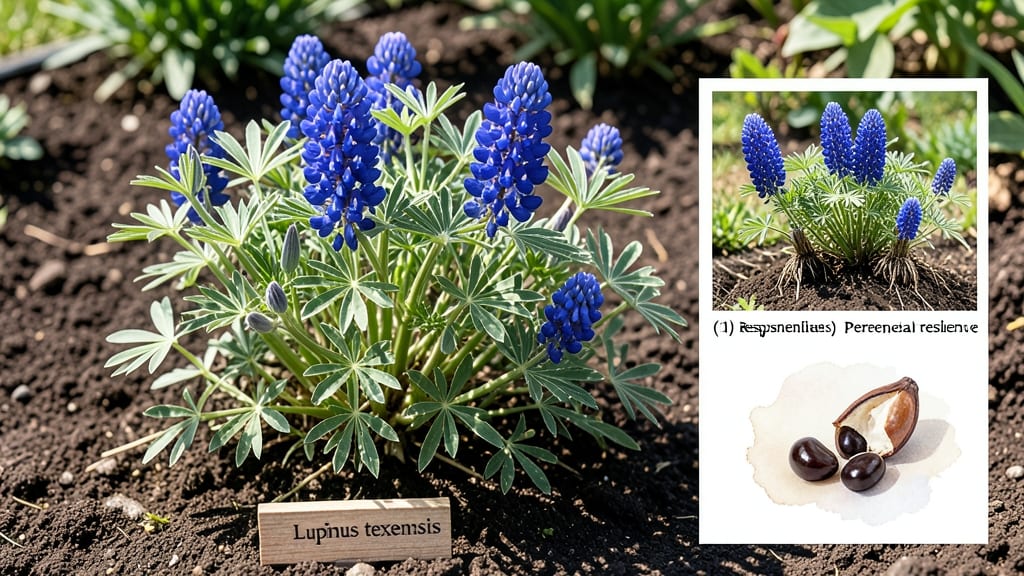
Bluebonnets function as perennials in their native Texas environment, relying on robust underground rhizomes to regrow yearly, but they often behave like annuals in colder regions where winter dieback prevents their perennial nature.
These vibrant wildflowers thrive as perennials because their thick rhizomes store nutrients and moisture, allowing them to push through the soil each spring in Texas's mild winters. 🌱 However, when planted outside their native range—like in northern states—they typically survive only one growing season before freezing back to the ground.
The key difference lies in soil temperature: Texas's warm winters preserve those rhizomes, while colder climates force gardeners to treat them as annuals or take special care to protect the roots.
For those outside Texas, the solution often involves strategic planting—like choosing sheltered microclimates or using heavy mulch to insulate the rhizomes. With the right conditions, even non-native gardeners can coax perennial behavior from bluebonnets, though it requires patience and attention to soil protection during winter.
💡 In This Article
- How Bluebonnet Rhizomes Enable Perennial Growth
- Growing Bluebonnets as Perennials in Different Climates
How bluebonnet rhizomes enable perennial growth
Bluebonnets (Lupinus texensis) rely on specialized underground rhizomes—thick, horizontal stems that store carbohydrates and nutrients like a natural battery. These rhizomes can grow up to 6-12 inches below the surface, allowing them to tap into deeper moisture reserves during Texas's dry summers.
The stored energy fuels rapid regrowth each spring, even after the aboveground plant dies back in late summer or fall. 🌱 This adaptation explains why they thrive as perennials in their native habitat, where winters rarely drop below 30°F.
The rhizomes also contain specialized cells called parenchyma, which swell with stored starches and proteins—similar to how potatoes store energy. When temperatures rise in early spring, these rhizomes detect warmth and begin producing new shoots within 2-4 weeks, often before the soil is fully thawed.
This early growth advantage helps bluebonnets outcompete weeds and establish dominance in Texas prairie ecosystems. In contrast, colder climates with prolonged freezing (20°F or lower) can kill these rhizomes, forcing the plant to rely on reseeding instead of regrowth.
Another key feature is the rhizomes' ability to regenerate from even small fragments. If a bluebonnet plant is disturbed or partially dug up, the remaining rhizome pieces can still produce new shoots, ensuring the species' survival.
This resilience explains why bluebonnets often spread aggressively in ideal conditions—each rhizome node has the potential to generate multiple stems. However, this trait also means gardeners must handle them carefully during transplanting to avoid damaging the underground network.
Drought resistance plays a major role in their perennial success. Bluebonnet rhizomes can survive prolonged dry spells by entering a semi-dormant state, conserving moisture until rains return.
In Texas, this adaptation allows them to persist through 6-8 months of dry conditions annually, while in wetter climates, they may struggle without proper drainage. The rhizomes' waxy outer layer also reduces water loss, much like how cacti protect themselves in arid environments.
When comparing bluebonnets to true annuals like marigolds or zinnias, the difference lies in their underground storage system. Annuals complete their entire life cycle in one season, while bluebonnets' rhizomes act as a biological memory bank, storing information about the plant's genetics and environmental conditions.
This allows them to "remember" optimal growing patterns year after year—though only when winter temperatures remain above 25°F for extended periods.
For gardeners in colder regions, understanding this rhizome biology is crucial. Without protective measures, the rhizomes simply can't survive the freeze-thaw cycles that characterize northern winters.
This fundamental difference explains why bluebonnets often behave as annuals outside Texas—because their perennial nature depends entirely on maintaining those underground energy reserves through winter.