
Planting
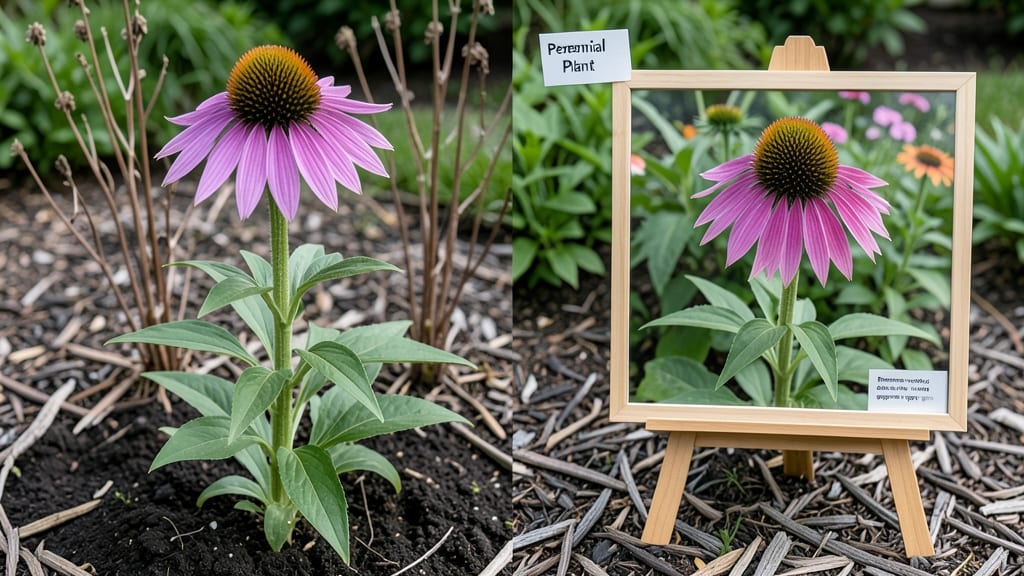
A perennial plant means it lives for three or more years, regrowing from the same root system annually after dying back in winter. Unlike annuals, it returns season after season with minimal replanting, offering long-term garden structure and beauty.
A perennial plant thrives because it develops deep, robust root systems that store nutrients and energy—think of them as nature's built-in batteries. 🌱 Unlike annuals that complete their life cycle in one season, perennials enter dormancy during winter, then burst back to life when conditions improve.
This persistence makes them ideal for low-maintenance gardens, as they establish themselves over time and require less frequent replanting than seasonal flowers or vegetables.
What sets them apart is their ability to adapt. Many perennials like coneflowers or hostas develop specialized underground structures like rhizomes or tubers, which act as survival reserves. This biological strategy allows them to outlast harsh conditions while still delivering vibrant blooms or foliage year after year.
For gardeners, this means fewer purchases and more reliable seasonal interest—once planted, they're practically set for decades.
💡 In This Article
- How Perennial Plants Survive Year After Year
- Choosing Perennials for Your Garden: Top Traits to Consider
How perennial plants survive year after year
The secret to a perennial's endurance lies in its underground architecture. Most develop extensive root systems that extend deep into the soil, often reaching 3-6 feet below ground. These roots store carbohydrates like starch and sugars—essentially food reserves—that fuel regrowth each spring.
For example, peonies store energy in thick, fleshy roots called rhizomes, while daffodils rely on bulbs that contain compressed leaves filled with nutrients. This underground storage system allows perennials to survive winter dormancy when above-ground growth dies back.
Dormancy is another critical survival mechanism. During cold months, perennials enter a state of suspended animation where metabolic activity slows dramatically. Some, like hostas, reduce their water content by up to 50% to prevent freezing damage, while others like lavender produce protective resins that act as natural antifreeze.
The timing of dormancy varies by species—woody perennials like shrubs may stay dormant for 4-5 months, while herbaceous types might only need 2-3 months of cold exposure to reset their growth cycle.
This biological strategy creates a stark contrast with annuals, which complete their entire life cycle in one season. Annuals like marigolds or zinnias focus all their energy on producing seeds before dying, while biennials like foxgloves take two years to flower and seed.
Perennials, however, prioritize root development and energy storage over reproduction in their first year, creating a more resilient life strategy. 🌿 The trade-off? Their slower initial growth compared to annuals, but the long-term payoff makes them invaluable for gardeners seeking permanent structure.
Climate adaptation plays a major role too. Native perennials have evolved specific traits to match their environments—desert perennials like yucca develop thick, water-storing leaves, while alpine species grow low to the ground to avoid wind damage.
This specialization means choosing the right perennials for your region can dramatically reduce maintenance. For instance, black-eyed Susans thrive in USDA zones 3-9, while bougainvillea requires zones 9-11, demonstrating how hardiness zones directly impact survival strategies.
One fascinating adaptation is the ability to regenerate from just a small piece of root or stem. Many perennials can sprout new growth from fragments left in the soil after division or even from accidental breakage.
This vegetative propagation ensures the plant's survival even when parts are damaged. 🌱 For gardeners, this means perennials can spread naturally over time, creating dense patches that suppress weeds and maintain their presence with minimal intervention.
The energy storage system also explains why perennials often produce their best displays in their 3rd-5th year—they've had time to build up substantial reserves. This delayed gratification is part of their survival strategy, ensuring they have enough resources to withstand environmental stresses before putting energy into flowers or foliage.
Understanding these mechanisms helps explain why perennials like daylilies or bee balm can thrive for decades with proper care.