
Flowers
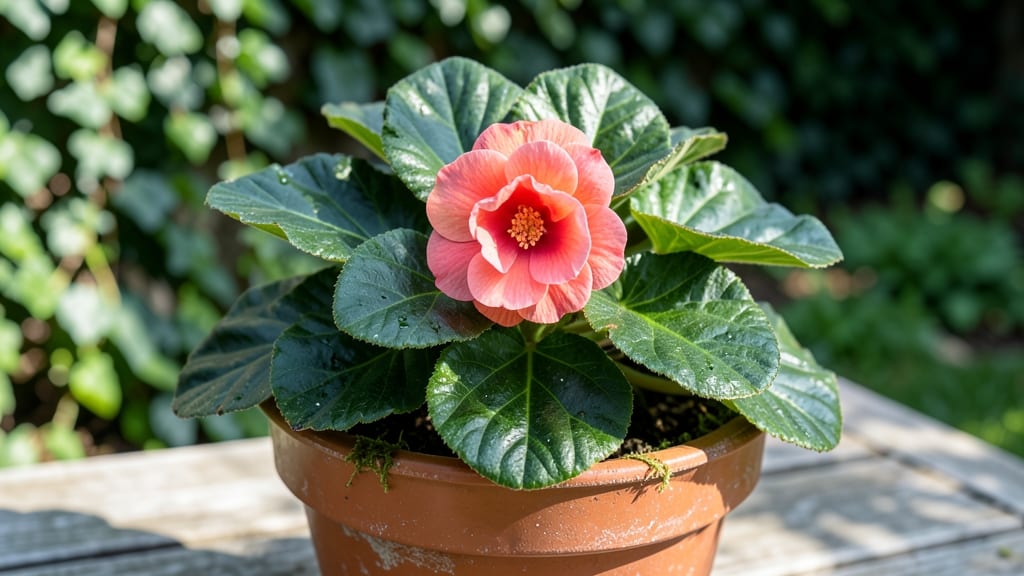
Deciding whether wax begonias are annuals or perennials depends on your climate: they thrive as perennials only in frost-free zones 10-12, but must be treated as annuals elsewhere unless overwintered indoors.
Wax begonias are tropical plants at heart, which means they can't handle freezing temperatures. 🌱 In warmer climates like Southern California or Florida, these beauties grow happily year-round, but in most parts of the U.S., they'll need protection from winter's chill.
The key is understanding their natural limits—once frost hits, their delicate leaves and stems will suffer permanent damage. For gardeners outside those frost-free zones, overwintering indoors with proper light and humidity is the secret to keeping your begonias alive for multiple seasons.
Here's the catch: even when overwintered, they won't survive outdoor winter conditions in colder zones. That's why many gardeners choose to treat them as annuals, enjoying their vibrant blooms each summer before they fade.
But with the right care—like moving them to a bright indoor spot and maintaining consistent moisture—they can reward you with years of colorful growth.
💡 In This Article
- Why Wax Begonias Die in Cold Climates
- Overwintering Wax Begonias in Cooler Regions
Why wax begonias die in cold climates
Wax begonias originate from tropical regions of Brazil, where temperatures rarely drop below 50°F and humidity stays consistently high. Their leaves and stems contain delicate water-filled cells that act like tiny water balloons—perfect for humid environments but vulnerable to freezing.
When temperatures fall below 32°F, these cells rupture, causing the foliage to turn black and mushy within hours. The roots, though slightly more resilient, suffer irreversible damage when exposed to prolonged cold, leading to rot and eventual death.
The plant’s natural defense mechanism is dormancy, but wax begonias lack the hardy adaptations of perennials like hostas or daylilies. Unlike these cold-tolerant plants, wax begonias don’t produce protective sugars or antifreeze proteins in their tissues. Instead, their survival depends entirely on avoiding frost.
Even a light freeze (28-32°F) can cause cosmetic damage, while sustained cold (below 28°F) guarantees fatal results. This is why gardeners in zones 3-9 must treat them as annuals unless they’re willing to bring them indoors.
What makes this especially tricky is how quickly damage occurs. Unlike woody perennials that can recover from winter stress, wax begonias show visible signs of frost damage within 24 hours. The leaves first develop brown, water-soaked patches, then turn black and crispy as cellular fluids leak out.
The roots, meanwhile, may appear unaffected until the plant is replanted—only then does their inability to absorb moisture reveal their true state of decline. 🌡️
Another critical factor is soil temperature. Even if air temperatures hover around 40°F, soil can remain dangerously cold, especially in containers. Potted wax begonias are particularly vulnerable because their roots have less insulation from the ground.
A sudden cold snap can drop soil temps to 30°F or lower, triggering root rot before the foliage even shows signs of distress. This is why gardeners in marginal zones must monitor both air and soil temperatures closely.
For those in zones 10-12, the story is different. Here, winter temperatures rarely dip below 40°F, and the plants enter a natural slow-growth phase rather than true dormancy.
Their leaves may yellow slightly during cooler months, but with consistent moisture and protection from wind, they’ll bounce back in spring. The key difference is that these regions provide the stable, frost-free conditions wax begonias evolved to thrive in.
Understanding this tropical nature explains why wax begonias perform so poorly in colder climates. Their inability to tolerate freezing temperatures isn’t just about aesthetics—it’s a fundamental biological limitation. Without intervention, they simply can’t survive where frost is a regular occurrence.
This is why gardeners in cooler regions must make a deliberate choice: treat them as annuals or invest in overwintering care. 🌿