
Flowers
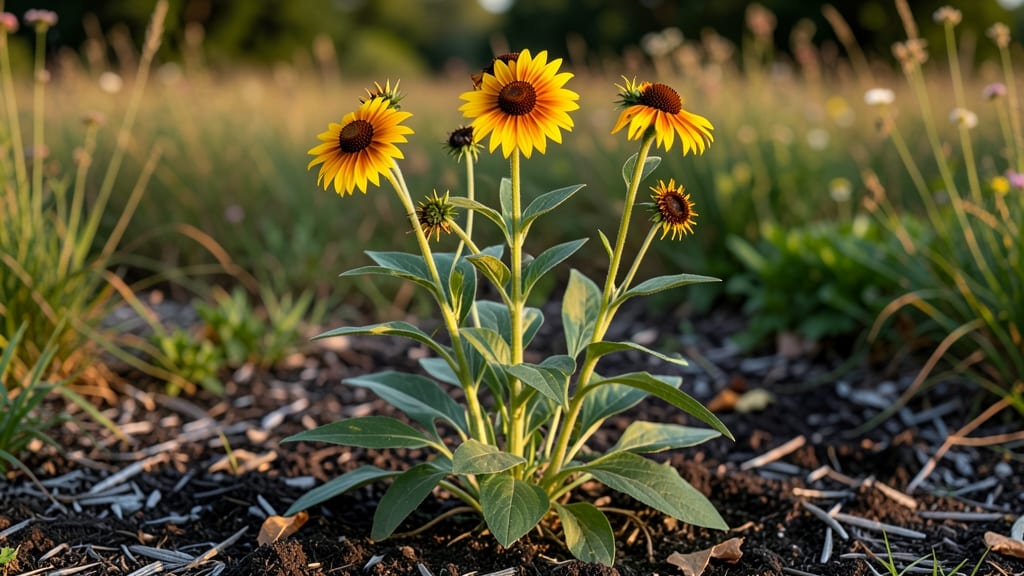
Yes, rudbeckia is a perennial that thrives in USDA hardiness zones 3 through 9, returning each year with minimal care once established, though some varieties may self-seed prolifically.
Rudbeckia's perennial nature means it comes back stronger every spring after winter dormancy, as long as you plant it in the right zones. 🌱 Unlike annuals that need replanting yearly, these hardy flowers develop deep root systems that help them survive cold snaps and drought once established.
The key to their longevity is choosing the right variety for your climate—some, like black-eyed Susan (Rudbeckia hirta), handle colder zones better than others like orange coneflower (Rudbeckia fulgida).
What makes rudbeckia such a low-maintenance perennial is its adaptability. These flowers thrive in full sun with well-draining soil and only need occasional watering once their roots are established. Their self-seeding habit also means you'll often get bonus blooms the following year without any extra effort from you.
Just be prepared to thin seedlings if you want to control where they pop up!
💡 In This Article
- Rudbeckia Perennial Lifespan and Growth Habits
- Best Planting Zones and Care for Year-Round Rudbeckia
Rudbeckia perennial lifespan and growth habits
Rudbeckia's perennial status comes from its deep, fibrous root system that develops over the first growing season. These roots can extend 2-3 feet below the surface, allowing the plant to access moisture and nutrients even during drought conditions.
Unlike annuals, rudbeckia stores energy in its roots during dormancy, which fuels rapid regrowth when temperatures rise in spring. This root resilience is why established plants often survive winter temperatures as low as -30°F in zones 3-4.
The growth cycle begins in early spring when shoots emerge from the crown, typically 4-6 weeks before blooming. Each plant produces multiple stems that reach 2-5 feet tall, depending on the variety, with Rudbeckia fulgida (orange coneflower) growing taller than Rudbeckia hirta (black-eyed Susan).
The key difference between species lies in their cold tolerance: R. hirta handles zone 3 winters better due to its shorter stature and denser foliage, while R. fulgida thrives in zones 5-9 with its larger, more delicate blooms.
Seasonal dormancy occurs when nighttime temperatures consistently drop below 50°F, signaling the plant to conserve energy. During this time, the above-ground stems die back, but the root system remains active, maintaining a 5-10% moisture content to prevent freezing.
This dormancy period typically lasts 3-5 months in colder zones but may be shorter in milder climates like zone 9. The plant's ability to regulate its metabolic processes during dormancy is what allows it to return stronger each year.
What most gardeners don't realize is how rudbeckia's flowering pattern contributes to its perennial success. These plants bloom continuously from mid-summer to fall, with each flower lasting 7-10 days before giving way to seed heads.
The seed heads then mature and release seeds that can germinate the following spring, creating a self-sustaining cycle. This dual strategy—relying on both root regrowth and self-seeding—ensures rudbeckia's persistence even if environmental conditions aren't perfect every year.
One fascinating mechanism is how rudbeckia's leaves change color in autumn as a protective adaptation. The chlorophyll breaks down, revealing yellow and orange pigments that help the plant absorb sunlight more efficiently during its final growth phase before dormancy.
This color shift isn't just beautiful—it's a survival strategy that extends the plant's growing season by 2-3 weeks in colder climates. 🌿
For gardeners in transitional zones (like zone 4), mulching with 3-4 inches of organic material in late fall can provide an extra 5-10°F of protection during winter. The mulch insulates the crown while allowing moisture to penetrate, which is crucial because frozen soil can damage emerging shoots in spring.
This simple technique can mean the difference between a plant that returns and one that doesn't.