
Flowers
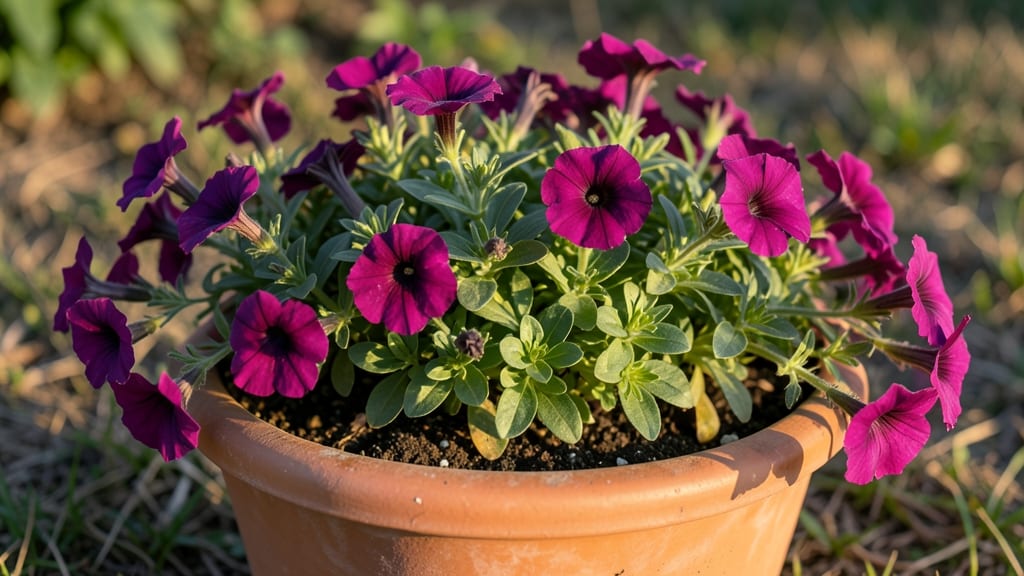
Wave petunias function as annuals in most regions because they can't tolerate frost, but in frost-free USDA Zones 10-12, they naturally return each year as tender perennials when given proper growing conditions.
This behavior stems from their tropical origins—wave petunias are sensitive to temperatures below 40°F, which causes their foliage to die back completely. 🌱 However, their roots often survive in warmer climates, allowing new growth to emerge from the same spot annually.
The key difference between annual and perennial growth lies in whether the plant can complete its life cycle without replanting, which depends entirely on your local winter conditions.
In cooler zones, gardeners must treat them as annuals, replanting each spring, while those in frost-free areas can enjoy their cascading blooms year after year with minimal effort. The secret to perennial performance lies in protecting the crown from cold snaps and maintaining consistent moisture during dormancy.
💡 In This Article
- Wave Petunia Life Cycle: Annual vs Perennial Behavior
- Extending Wave Petunia Season: Planting and Care Tips
Wave petunia life cycle: annual vs perennial behavior
Wave petunias originate from tropical regions where temperatures rarely drop below 50°F, making them particularly vulnerable to frost. Their annual behavior in cooler climates stems from a biological response called cold-induced dormancy.
When exposed to temperatures below 40°F, their cellular membranes begin to rupture, and metabolic processes shut down completely. This irreversible damage causes the above-ground growth to blacken and die back within days, even though the roots may linger underground for weeks.
The key difference between annual and perennial growth lies in root survival and regrowth capacity. In frost-free zones like Southern California or Florida (USDA Zones 10-12), wave petunia roots often survive winter dormancy when protected by 3-4 inches of organic mulch.
These roots contain meristematic cells capable of producing new shoots once temperatures rise above 60°F in spring. The regrowth process typically begins 4-6 weeks after the last frost, with new stems emerging from the same root system that produced the previous year's blooms.
What most gardeners don't realize is that wave petunias exhibit a semi-perennial growth habit in marginal climates (Zones 9-10). While they may not survive harsh winters without protection, their roots can persist for multiple years if given consistent moisture and shelter from temperature swings.
This explains why some gardeners in these zones report their plants returning for 2-3 seasons before finally declining - the roots simply become too weak to regenerate after successive winters.
The botanical mechanism behind this behavior involves cold acclimation processes. Unlike hardy perennials that develop protective sugars and antifreeze proteins in their cells, wave petunias lack these adaptations. Their survival strategy relies instead on rapid regrowth from protected root systems.
This is why proper winter mulching with straw or shredded leaves (which insulates soil temperatures above 32°F) makes all the difference between annual and perennial performance.
Consider this comparison: In Zone 5 where winters drop to -10°F, wave petunias behave like true annuals because their roots cannot survive prolonged freezing. However, in Zone 10 where winter lows only reach 35°F, the same plants may return year after year with minimal care.
The 15°F temperature difference between these zones creates this dramatic shift in growth behavior.
For gardeners in transitional zones (8-9), the secret to perennial-like performance lies in creating microclimates. Planting near south-facing walls or using cloche protection during cold snaps can extend the growing season by 2-4 weeks each spring and fall.
This additional time allows the plants to establish stronger root systems before winter sets in, improving their chances of survival.
The most reliable indicator of perennial potential is observing whether new growth emerges from the same location year after year. If your wave petunias consistently return from the same spot without replanting, you're likely in a climate where they can function as true perennials with proper care. 🌱