
Flowers
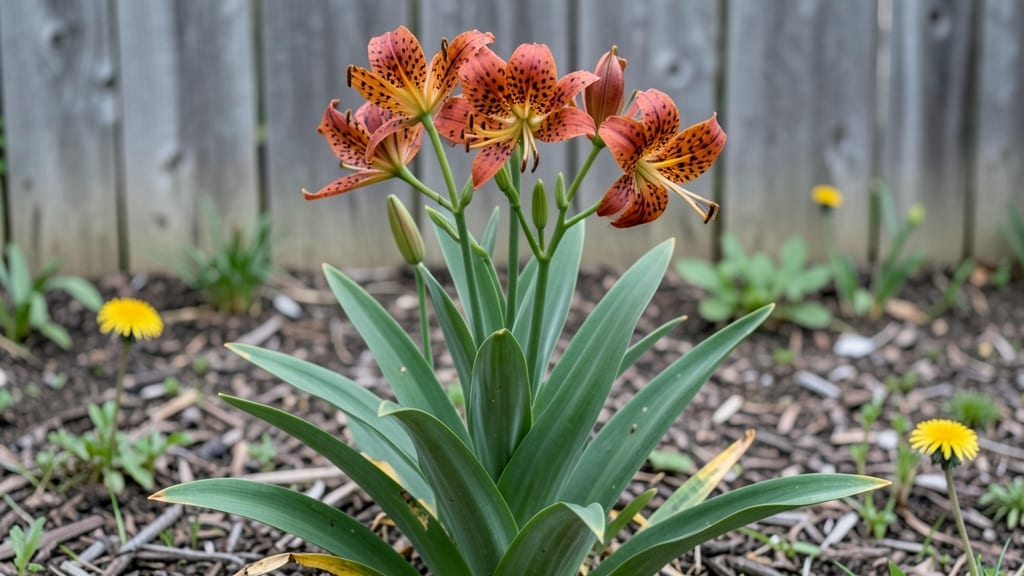
Growing a tiger lily perennial 🌸 means unlocking bold, summer-long blooms that turn heads—but the secret isn’t just in the planting, it’s in the timing.
Picture this: April showers give way to June, and your garden erupts with fiery orange and black-striped blooms that tower over everything else. Miss the planting window, though, and you’ll be left with leggy stems and no flowers.
That’s why I’m sharing the exact spring timing and care tips to guarantee a showstopping display every year.
Tiger lilies thrive in USDA Zone 6a and beyond, but they demand full sun and well-draining soil—no soggy roots allowed. The key is planting bulbs 6-8 inches deep in April or May, when the soil warms up but before the heat peaks.
Too early? Frost can damage them. Too late? You’ll wait months for blooms.
Below, I’ll walk you through the step-by-step planting process, how to keep them blooming year after year, and the one mistake that kills more tiger lilies than anything else. Let’s get those dramatic blooms growing!
Best planting times for tiger lilies by climate Zone
Timing your tiger lily perennial planting by USDA hardiness zone ensures vibrant summer blooms every year. These dramatic plants thrive in zones 3 through 9, but their ideal planting window shifts dramatically depending on your local climate.
In colder zones (3-5), aim for late spring after the last frost, while warmer zones (7-9) can handle fall planting for early blooms next year.
Soil temperature is critical—tiger lilies need the ground to reach at least 60°F (15°C) before planting. Too early, and frost will damage delicate bulbs. Too late, and you’ll delay blooms until next summer.
I’ve planted mine in April in my Zone 6a garden, and the difference in bloom time compared to late-May plantings is night and day.
Here’s the summary table breaking down planting windows by zone, along with key adjustments for your region:
<summary-table>| USDA Zone | Best Planting Window | Soil Temp Requirement | Frost Risk | Pro Tip |
|---|---|---|---|---|
| Zones 3-5 | Late April - Early May | 60°F (15°C) minimum | High (plant after last frost) | Use black plastic mulch to warm soil faster |
| Zones 6-7 | Early April - Mid-May | 55°F (13°C) minimum | Moderate (check local frost dates) | Plant in raised beds for better drainage |
| Zones 8-9 | Fall (Oct-Nov) OR Spring (Feb-Mar) | 50°F (10°C) minimum | Low (fall planting preferred) | Fall-planted bulbs bloom earlier next year |
For spring planting, wait until your local nursery sells tiger lily bulbs—this usually aligns with soil warming. I test soil temperature with a soil thermometer to avoid guessing.
In my Zone 6a garden, I’ve found that planting in early April gives bulbs enough time to establish roots before summer heat arrives.
Fall planting works best in warmer zones (8-9), where bulbs can root before winter. Plant 6-8 weeks before first frost—typically October or November. This method ensures earlier blooms next year, but avoid planting too late, or bulbs may rot in cold, wet soil.
Regional adjustments matter! In Pacific Northwest zones (6-7), I’ve seen gardeners plant as early as March under row covers to extend the season. Meanwhile, in Southern California (Zone 9), fall planting in October yields blooms by next April.
Always check your last frost date and adjust by 2-3 weeks for safety.
One common mistake? Planting too shallow. Tiger lilies need 6-8 inches of depth to prevent rot and encourage strong stems. I’ve buried mine 8 inches deep in well-draining soil mixed with compost, and the difference in bloom quality is dramatic compared to shallower plantings.
If you’re in a humid climate (like the Southeast), add sand or perlite to improve drainage. In dry climates (like the Southwest), mulch heavily to retain moisture. My Zone 6a garden thrives with 2 inches of mulch around each plant—it keeps roots cool and reduces watering needs.
Remember: tiger lilies are perennials, meaning they’ll return year after year if cared for properly. The first year might be smaller, but with consistent planting times and good soil prep, you’ll have towering blooms for decades.
Start with the right timing, and your garden will thank you with summer-long drama.
How to plant tiger lily bulbs for maximum summer blooms
Planting tiger lily bulbs at the right depth and spacing is the difference between a showstopping summer display and a disappointing flop.
These dramatic perennials need full sun exposure and well-draining soil to thrive, but even the best location won’t guarantee blooms if you bury them too shallow or crowd them together.
I’ve planted dozens of tiger lilies over the years, and I’ve learned that 6-8 inches deep with 6-12 inches between bulbs is the magic formula for strong stems and abundant flowers.
Before you dig, check your USDA Zone—most gardeners plant in April or May when soil temperatures reach 60°F (15°C). In colder zones, wait until after the last frost date, while warmer climates can handle early spring planting.
The goal is to give bulbs time to establish roots before summer heat arrives. Once planted, tiger lilies reward you with 4-6 foot tall stems bursting with orange and black striped blooms that last from July through August.
Step-by-Step Tiger Lily Planting Guide
-
1Choose the right location: Select a spot with 6+ hours of full sun and well-draining soil. Tiger lilies hate soggy roots, so avoid low-lying areas where water pools.
-
2Prepare the soil: Loosen soil to 12 inches deep and mix in 2 inches of compost or aged manure. For clay soil, add sand or perlite to improve drainage.
-
3Plant bulbs at the right depth: Dig holes 6-8 inches deep (about 3 times the bulb’s height). Place the bulb with the pointy end up—this ensures proper root and stem growth.
-
4Space bulbs correctly: Keep 6-12 inches between bulbs for smaller varieties or 12-24 inches for standard-sized tiger lilies. This prevents overcrowding and gives stems room to grow tall.
-
5Add a slow-release fertilizer: Mix 1 tbsp of 5-10-10 fertilizer into the planting hole to provide nutrients for the first few months. Avoid high-nitrogen fertilizers, which encourage leafy growth at the expense of blooms.
-
6Water thoroughly after planting: Give bulbs a deep soak to settle the soil and encourage root growth. Water again when the top 2 inches of soil feel dry—typically once a week in spring and summer.
-
7Mulch to retain moisture: Apply a 2-3 inch layer of mulch (like straw or shredded leaves) around the base to keep soil cool and retain moisture. Avoid piling mulch directly against the stems to prevent rot.
For container gardening, use pots at least 12 inches deep with drainage holes and plant 1-2 bulbs per container. Choose a lightweight potting mix with perlite or vermiculite to prevent compaction.
Containers dry out faster, so water more frequently—every 5-7 days—and move pots to a sunny patio in summer for maximum blooms.
To extend the bloom season, deadhead spent flowers regularly and fertilize lightly in early summer with a balanced 10-10-10 fertilizer. This encourages second flushes of blooms in some varieties.
Just remember: tiger lilies are perennials, so with proper care, they’ll return year after year, rewarding you with bold, dramatic blooms that steal the show every summer.
Pro tip: If you’re planting in late summer or fall, wait until 6-8 weeks before the first frost to give bulbs time to establish roots before winter. In colder zones, add a thick layer of mulch (4-6 inches) to protect bulbs from freezing temperatures.