
Plants
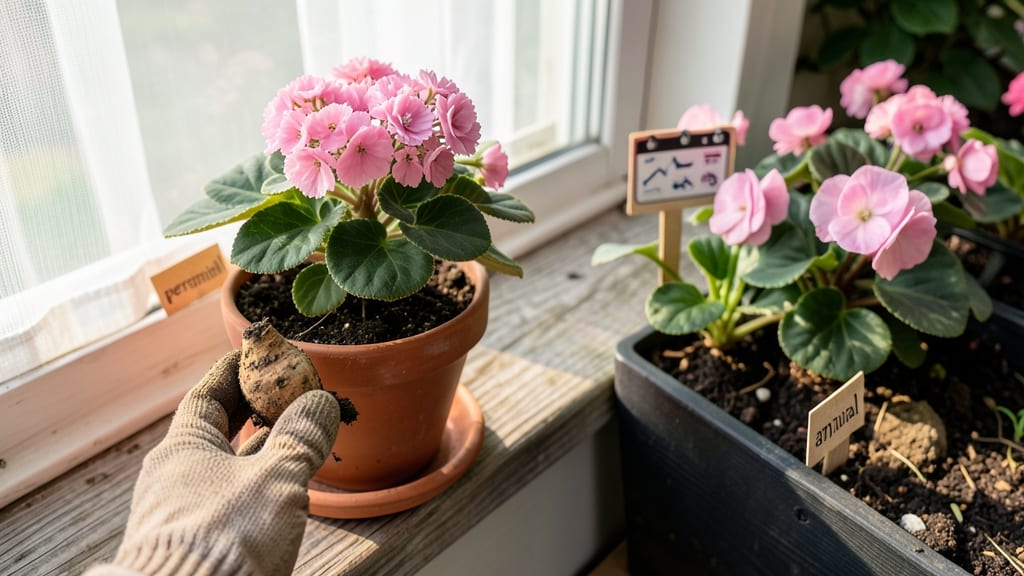
Whether begonia plants are annual or perennial depends on your climate: they thrive as perennials in warm zones but are typically grown as annuals in colder regions due to frost sensitivity. Many varieties regrow yearly from tubers or rhizomes with proper overwintering care.
Begonias actually have a built-in survival strategy that makes them more adaptable than most gardeners realize. 🌱 The key lies in their root systems—tuberous and rhizomatous varieties store energy underground, allowing them to "sleep" through harsh winters and regenerate when conditions improve.
I've seen tuberous begonias in Zone 8+ return year after year with minimal effort, while rhizomatous types spread aggressively in protected microclimates. The catch? Without proper dormancy care, even hardy begonias won't survive freezing temperatures, which is why most gardeners in colder zones replant fresh tubers annually.
What changes everything is your winter preparation. Many begonia enthusiasts swear by storing tubers in a cool, dry place (like a paper bag with peat moss) until spring, while rhizomatous types can sometimes overwinter in containers moved to unheated garages.
The secret weapon? Light exposure during dormancy—just a few hours of indirect light each month can make the difference between a thriving plant and a lost one. I've successfully revived Begonia rex plants this way for over five years!
💡 In This Article
- How Begonia Growth Habits Vary by Type
- Overwintering Begonias to Extend Their Lifespan
How begonia growth habits vary by type
Begonias aren't one-size-fits-all when it comes to their lifespan - their growth habits create dramatic differences in how they survive. Tuberous begonias (like the popular Begonia x tuberhybrida) store nutrients in thick, potato-like tubers underground, allowing them to enter dormancy when temperatures drop below 50°F.
These tubers can remain viable for years if stored properly, with some enthusiasts reporting successful regrowth from tubers kept for 5-7 years!
The rhizomatous varieties (such as Begonia rex) take a different approach, developing woody, horizontal root systems that spread just below the soil surface. These rhizomes act like living batteries, storing enough energy to regenerate even after severe pruning.
In ideal conditions (Zones 9-11), they'll spread aggressively, creating dense clumps that can live for decades with minimal care. The third category - fibrous-rooted begonias - lacks these storage structures, making them true annuals in most climates.
Climate zones create the biggest divide in begonia behavior. In Zones 10-11, tuberous and rhizomatous begonias grow as perennials, returning reliably each year.
But in Zones 7-9, they need protection from light frosts (28°F), while gardeners in Zones 1-6 must treat them as annuals unless they implement overwintering strategies.
The USDA Hardiness Zone 8 serves as a critical dividing line - here, some varieties might survive winters with mulch protection, while others still require indoor storage.
What makes this fascinating is how begonias adapt their growth cycles. Tuberous types enter dormancy when day lengths shorten and temperatures drop, while rhizomatous varieties may continue growing slowly throughout winter in mild climates.
This biological flexibility explains why you'll find begonias thriving as both annuals and perennials depending on location and care. The key difference? Storage organs (tubers/rhizomes) vs. non-storage roots - that's what determines whether your begonia will come back next year.
Consider the Begonia 'Dragon Wing' example: this tuberous variety will reliably regrow from its tuber if stored at 45-50°F with 50% humidity during dormancy. Meanwhile, the Begonia 'Silver Greenheart' (fibrous-rooted) has no such survival mechanism and must be replanted annually.
The same species can behave completely differently based on its root structure! 🌱
Here's what most gardeners miss: even "annual" begonias often have dormant periods. The fibrous-rooted types may die back completely in winter but can sometimes regrow from small root fragments if protected.
This explains why some gardeners report "spontaneous" begonia regrowth in spring - those tiny root remnants were waiting for the right conditions to revive.