
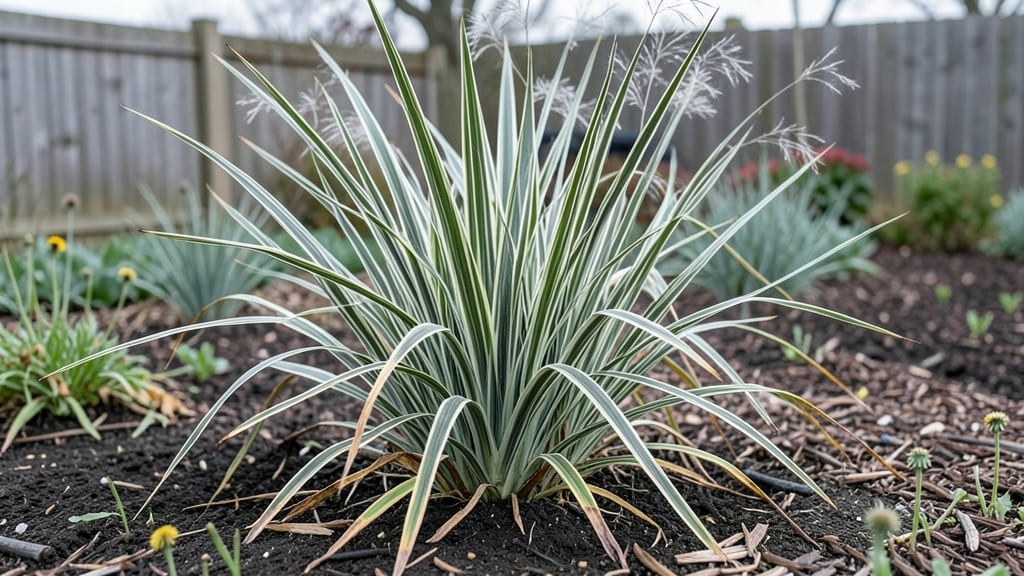
Tall Perennial Grasses: Height Comparison Chart for Garden Designers

Plants

Tall Perennial Grasses: Height Comparison Chart for Garden Designers

Tall perennial grasses 🌿 can redefine your outdoor space with their striking heights and dramatic textures.

Picture this: a 10-foot Miscanthus swaying beside your patio, its plumes catching the light like a natural sculpture—or a dense Pampas grass hedge blocking city noise while adding year-round structure.

The right choice turns your garden from flat to three-dimensional, but picking the wrong one means flopping stems, overgrowth, or a plant that barely reaches its advertised height.

Whether you’re screening a neighbor’s fence, adding vertical interest to a border, or creating a windbreak, the height of your ornamental grass is the first decision—and the most critical.

Some varieties mature to 12 feet but take three years to get there, while others hit 6 feet in their first season. I’ll break down the fastest growers, the most drought-tolerant, and the best pairings to keep your design cohesive all year.

By the end, you’ll know exactly which grasses to plant for impact, how far apart to space them, and which complementary perennials will make them pop. No more guessing—just a foolproof plan for a garden that feels like a professional designed it.

Ornamental Grass Height Range
1 ftto12 ft
0 ft 3 ft 6 ft 9 ft 12 ft
🌱 Tall Grass

Tall perennial grass height comparison: top 10 species by mature size

Choosing the right tall perennial grass for your landscape depends on more than just aesthetics—it’s about understanding their mature height, growth habits, and spacing needs. Some varieties reach 12 feet or taller, while others stay compact but dense, making them perfect for tight spaces.

Let’s break down the top 10 tall grasses by height, including their growth rates and ideal spacing for a cohesive garden design.

For quick reference, I’ve included a comparison table below that highlights each grass’s mature height, growth rate, and recommended spacing. This will help you visualize how they’ll look in your garden before planting.

Whether you’re aiming for a dramatic backdrop or a privacy screen, these grasses deliver both structure and texture.

One key factor to consider is growth rate. Some grasses, like Miscanthus, grow 3-5 feet per year, while others, such as Panicum virgatum, grow more slowly but develop dense clumps over time.

Understanding these differences ensures you won’t end up with a grass that outgrows its space or fails to fill it quickly enough.

Another critical aspect is ideal spacing. Planting too closely can lead to competition for nutrients and light, while spacing too far apart may leave gaps in your design.

The table below includes spacing recommendations based on each grass’s mature width, so you can plan for a full, lush look without overcrowding.

Let’s dive into the comparison table to explore the specifics of each grass, including their height range, growth habits, and design versatility. This will help you make an informed decision tailored to your garden’s needs.

🌿

<comparison-table>

Best tall perennial grasses for privacy screens and windbreaks

When designing a privacy screen or windbreak, tall perennial grasses are my go-to choice because they offer year-round structure, low maintenance, and natural sound dampening. Unlike traditional hedges, these grasses grow tall quickly—some reaching 10+ feet—while requiring minimal pruning.

For noise reduction, dense varieties like Pampas grass create a sound-absorbing barrier, while switchgrass and Miscanthus provide wind protection without blocking sunlight.

To help you choose the best option for your climate, I’ve ranked the top grasses by density, cold hardiness (USDA zones), and maintenance needs.

Whether you’re in Zone 5 or Zone 9, these grasses deliver privacy, wind resistance, and seasonal interest—from feathery plumes in summer to winter texture. Below, you’ll find my top recommendations tailored to different U.S. regions, along with planting tips to maximize their impact.

Pampas Grass (Cortaderia selloana)
Density: 9/10 | Hardiness: Zones 8-11 | Maintenance: Low
Miscanthus (Miscanthus sinensis)
Density: 8/10 | Hardiness: Zones 5-9 | Maintenance: Medium
Switchgrass (Panicum virgatum)
Density: 7/10 | Hardiness: Zones 4-9 | Maintenance: Low
Feather Reed Grass (Calamagrostis acutiflora)
Density: 8/10 | Hardiness: Zones 5-8 | Maintenance: Medium
Big Bluestem (Andropogon gerardii)
Density: 7/10 | Hardiness: Zones 3-9 | Maintenance: Low
Maiden Grass (Miscanthus sacchariflorus)
Density: 9/10 | Hardiness: Zones 5-9 | Maintenance: Low

For northern climates (Zones 3-5), switchgrass and Big Bluestem are my top picks because they thrive in cold winters and drought conditions. Their upright growth habit makes them ideal for windbreaks, while their native resilience means less fuss.

Plant them in clumps 3-4 feet apart to create a dense barrier that softens harsh winds and reduces noise from nearby roads.

In warmer climates (Zones 8-11), Pampas grass and Maiden Grass shine with their tropical flair and year-round greenery. These grasses reach 8-12 feet tall, making them perfect for privacy screens along fences or property lines.

Just be sure to prune them back in early spring to prevent them from becoming too dense and overwhelming your landscape.

If you’re looking for a low-maintenance option that still delivers big impact, Miscanthus is a winner. Its arching plumes add movement to your garden, while its clumping habit prevents it from spreading uncontrolled.

For maximum density, plant Miscanthus ‘Zebrinus’ in groups of 3-5 plants, spacing them 4 feet apart. This creates a natural curtain that blocks unwanted views and road noise effortlessly.

Pro tip: Pair tall grasses with shrubs like boxwood or evergreens for a layered privacy screen. The grasses provide height and movement, while the shrubs fill in gaps and add year-round color.

For example, Feather Reed Grass pairs beautifully with Inkberry Holly—the silver-blue foliage of the grass contrasts stunningly with the dark green leaves of the holly, creating a striking visual barrier.

Remember, the key to a successful privacy screen is proper spacing and placement. Plant taller grasses at the back of your bed and shorter varieties in front to build depth.

Mulch around the base to retain moisture and suppress weeds, and water deeply during the first growing season to encourage strong root establishment. With the right choice, your tall perennial grasses will give you privacy, wind protection, and garden drama for years to come. 🌿

★★★★★4.8(6 reviews)
Categories Plants
Grass Species Mature Height (ft) Growth Rate (ft/year) Mature Width (ft) Ideal Spacing (ft) Best For
Miscanthus sinensis 'Zebrinus' 8-10 ft 3-5 ft 4-6 ft 3-4 ft apart Vertical accents, borders
Panicum virgatum 'Northwind' 6-8 ft 2-4 ft 3-5 ft 2-3 ft apart Privacy screens, windbreaks
Cortaderia selloana (Pampas Grass) 10-12 ft 4-6 ft 6-8 ft 5-6 ft apart Dramatic focal points
Andropogon gerardii (Big Bluestem) 6-7 ft 1-3 ft 3-4 ft 2-3 ft apart Native gardens, meadows
Molinia caerulea (Purple Moor Grass) 4-6 ft 2-3 ft 2-3 ft 1-2 ft apart Moisture-loving areas
Calamagrostis acutiflora 'Karl Foerster' 5-7 ft 2-4 ft 3-4 ft 2-3 ft apart Structural borders
Sorghastrum nutans (Indiangrass) 6-8 ft 1-2 ft 3-5 ft 2-3 ft apart Prairie-style gardens
Arundo donax (Giant Reed) 12-20 ft 5-8 ft 8-10 ft 6-8 ft apart Tropical screens, large spaces