
Flowers
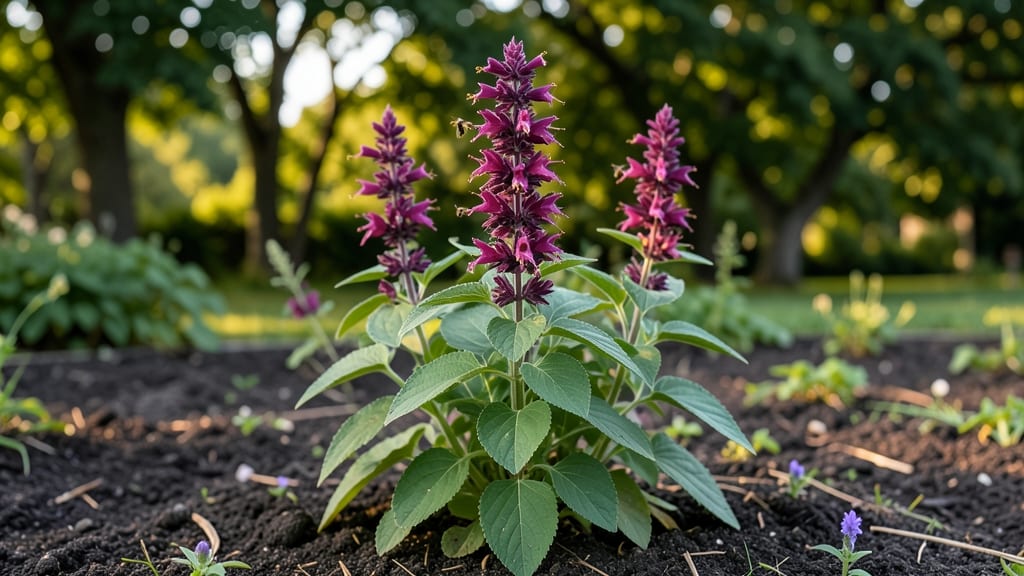
Monarda is indeed a perennial plant that returns each year after dying back to the ground in winter, thanks to its hardy root system that survives cold climates in USDA zones 4-9.
This hardy plant thrives by storing energy underground during winter dormancy, then sending up fresh stems and leaves in spring. 🌱 The key to its success lies in proper seasonal care—like cutting back dead foliage in late fall and mulching to protect roots—which helps it bounce back stronger each year.
Different monarda varieties handle cold differently, with bee balm (Monarda didyma) often being more cold-tolerant than wild bergamot (Monarda fistulosa), though both reliably return with the right conditions.
What sets monarda apart as a perennial is its ability to self-seed and spread over time, creating natural colonies in your garden. This makes it a low-maintenance choice for pollinator-friendly landscapes, as long as you provide well-draining soil and at least 6 hours of sunlight daily.
The trade-off? Some varieties may need division every few years to prevent overcrowding.
💡 In This Article
- Monarda’s Seasonal Dieback Cycle Explained
- How to Care for Monarda as a Perennial Plant
Monarda’s seasonal dieback cycle explained
Monarda undergoes a fascinating four-stage seasonal cycle that defines its perennial nature. In spring, the plant emerges from its deep, fibrous root system—often called a "crown"—which stores starches and nutrients over winter.
These roots can extend 12-18 inches deep and spread horizontally, creating a network that anchors the plant and fuels regrowth. The first shoots appear when soil temperatures reach 50-55°F, typically in late April to early May depending on your zone.
The summer stage is all about blooming and energy storage. Monarda produces its iconic spike-shaped flowers (red, pink, or purple) that attract pollinators, while simultaneously building up reserves in its roots.
What's unique is how the plant allocates energy: about 60% of its photosynthetic output goes toward root development during this period, ensuring winter survival. The foliage also develops a minty aroma from thymol compounds, which repels pests while attracting beneficial insects.
Fall brings dormancy as temperatures drop below 40°F. The above-ground growth yellows and dies back naturally, but the roots remain active until hard frost. This is when proper care—like cutting back stems to 2-3 inches above ground—prevents disease and helps the plant conserve energy.
The real magic happens underground, where the roots continue metabolizing sugars until soil freezes, creating a natural antifreeze effect that protects cell structures.
Winter survival depends on species and zone. Monarda didyma (bee balm) typically handles USDA zone 4 (-30°F) with proper mulching, while Monarda fistulosa (wild bergamot) extends to zone 3 (-40°F).
The key difference lies in their root depth: bee balm has shallower roots (12 inches) that need extra insulation, whereas wild bergamot's deeper roots (18+ inches) access warmer soil layers. Both species can survive 5-7 days of 0°F temperatures without damage when properly established.
What most gardeners don't realize is how monarda's dieback cycle actually improves with age. Older plants develop more extensive root systems that store 20-30% more starches than young specimens, making them more cold-hardy.
This is why established monarda clumps often survive winters better than newly planted divisions. The trade-off? Older plants may need division every 3-5 years to prevent root-bound conditions that could reduce winter hardiness.
Consider this seasonal rhythm when planning your garden: monarda's dormancy period is its superpower. Unlike annuals that must reseed every year, monarda's underground energy reserves mean you'll enjoy its fragrant foliage and pollinator-attracting blooms for decades with minimal effort.
The secret lies in mimicking nature—providing seasonal protection while letting the plant follow its natural cycle.