
Flowers
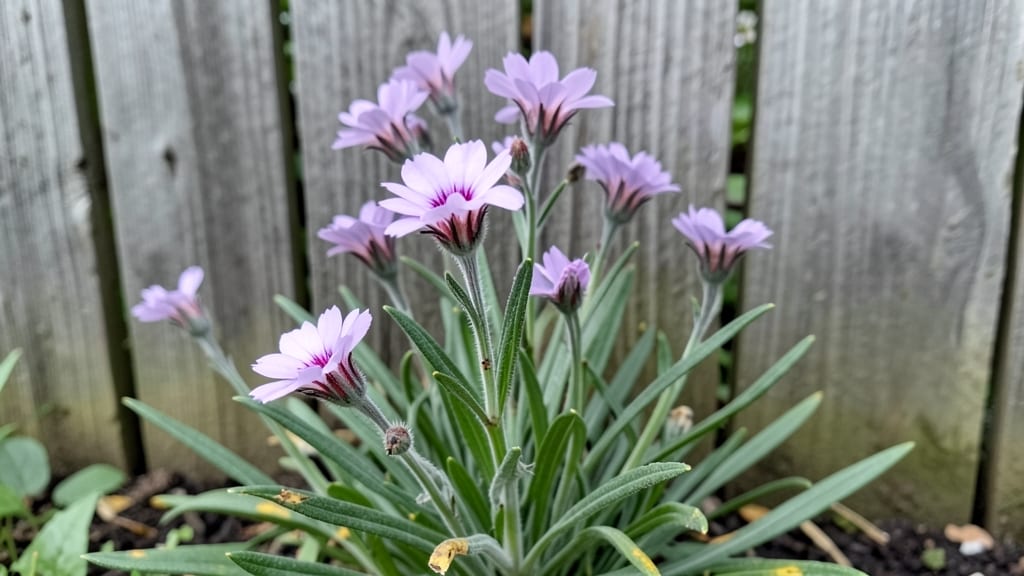
Sweet William is an annual or perennial plant depending on climate, typically completing its life cycle in one season unless grown as a biennial in milder regions. Cold winters force most varieties to behave as annuals, while warmer zones can nurture repeat blooms with proper winter care.
Sweet William's classification as annual or perennial hinges on your local climate and how you care for it. 🌱 In colder regions, the plant naturally dies back after flowering, but in milder zones, some varieties can overwinter and return the following year.
This dual nature makes it a flexible choice for gardeners—whether you want vibrant summer color or a longer-lived perennial experience. The key difference lies in how you protect the roots through winter, which can turn a one-season show into a multi-year favorite.
For gardeners in transitional climates, treating Sweet William as a short-lived perennial is often possible with proper mulching and shelter. This approach lets you enjoy its cheerful blooms year after year while accounting for occasional winter dieback.
The plant's ability to self-seed also means you might get surprise returns even in less-than-ideal conditions.
💡 In This Article
- Sweet William’s Life Cycle: Annual vs Biennial Behavior
- Extending Sweet William Blooms: Planting and Care Tips
Sweet William’s life cycle: annual vs biennial behavior
Sweet William's growth pattern hinges on its response to vernalization—a botanical process where cold temperatures trigger flowering in the second year. Most varieties behave as annuals because they lack sufficient chilling hours (30-45°F for 6-8 weeks) to complete this cycle in colder climates.
The plant stores energy in its roots during fall, but extreme cold or frost kills the crown, forcing a complete restart each spring.
In milder zones (USDA Zones 7-10), Sweet William can act as a biennial by producing basal rosettes in its first year and flowering the following spring. This occurs because the plant receives adequate chilling without lethal frost damage.
The key threshold is 10-15°F for short periods—below this, most varieties succumb. 🌿 Even in these zones, biennial behavior requires consistent moisture and protection from late frosts.
The flowering trigger involves photoperiodism—day length changes that signal the plant to shift from vegetative growth to reproduction. Sweet William typically blooms when daylight exceeds 14 hours, which occurs in late spring to early summer.
This timing explains why biennial varieties often produce their most robust flowers in the second year, as they've built stronger root systems during the first growing season.
What confuses gardeners is that Sweet William often self-seeds prolifically. These volunteer seedlings may behave differently than parent plants, sometimes exhibiting more hardy traits. This natural propagation is why some gardeners report "perennial" behavior—they're actually growing new plants from seeds rather than the original rootstock.
The distinction matters because true biennial regrowth requires intact root systems, not just new seedlings.
Here's what's actually happening in your garden: The plant's cold tolerance determines its life cycle. Varieties like 'White Simplicity' often survive winters in Zone 6 with heavy mulch, while 'Black Prince' typically dies back completely.
The difference comes down to root depth (typically 6-12 inches) and the plant's ability to regenerate from crown buds rather than seeds.
For gardeners pushing the limits, overwintering Sweet William involves three critical steps:
- Early fall mulching: Apply 4-6 inches of straw or shredded leaves after first frost
- Winter protection: Use burlap wraps or frost blankets in Zone 6 or colder
- Spring pruning: Cut back dead foliage at 2-3 inches above soil when new growth appears
This approach can extend Sweet William's life by 2-3 years in marginal climates, though true perennial behavior remains rare outside Zones 7+. The tradeoff is reduced vigor in subsequent years as the plant's energy reserves deplete. 💫