
Orchid Care
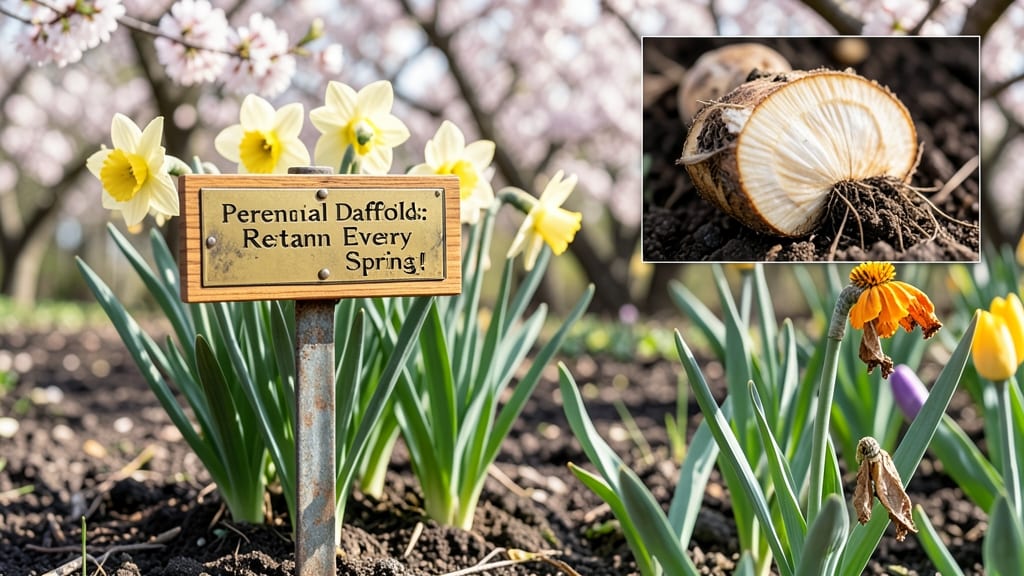
Daffodils are not annuals—they are perennials that return each year after blooming, though their foliage naturally dies back to store energy underground for next season’s growth. This dormancy cycle is key to their long-term survival.
This dieback isn't a sign of death—it's how daffodils recharge. 🌱 Their bulbs act like natural batteries, converting sunlight into stored nutrients during the growing season. Unlike annuals that complete their lifecycle in one year, daffodils rely on this underground energy reserve to push through soil and bloom again.
I've seen gardens where people mistakenly cut foliage too soon, which weakens next year's flowers.
The real secret to keeping them thriving lies in post-bloom care. After flowers fade, let the leaves stay until they yellow naturally—this ensures maximum energy storage. A light feeding with bulb-specific fertilizer after blooming gives them a boost for next season's show.
💡 In This Article
- Why Daffodils Die Back After Blooming
- Tips for Extending Daffodil Longevity in Gardens
Why daffodils die back after blooming
Daffodils undergo a natural process called leaf senescence after flowering, where their above-ground foliage yellows and dies back. This isn't a sign of death—it's how they store energy for next year's blooms.
Their bulbs act like biological batteries, converting sunlight into starches and sugars during the growing season, which get stored in the bulb's scales. Unlike annuals that complete their lifecycle in one season, daffodils rely on this underground energy reserve to push through soil and bloom again each spring. 🌱
The key difference between daffodils and annuals lies in their root systems. Annuals have shallow, temporary roots that die with the plant, while daffodils develop deep, fibrous roots that anchor them and store nutrients.
When you see daffodil leaves turning yellow, it's their way of redirecting nutrients back to the bulb. Research shows that leaving foliage until it naturally yellows can increase bulb size by up to 30% for the following year's flowers.
This dormancy cycle is triggered by daylight changes. As daylight hours shorten in late spring, daffodils shift from flowering to foliage production. The leaves continue photosynthesizing, producing energy that gets transported to the bulb.
This process can take 6-8 weeks—cutting foliage too soon deprives the bulb of essential nutrients, often resulting in smaller or fewer blooms next season. Think of it like a marathon runner tapering before a race: the plant needs this recovery period to perform at its best.
Temperature also plays a crucial role. Daffodils need a period of cool weather (around 40-50°F) after blooming to properly mature their bulbs. This chilling period helps break dormancy and signals the plant to prepare for next year's growth.
Without this cool-down, bulbs may not develop properly, leading to weaker growth. It's why daffodils planted in warm climates sometimes struggle—they don't get the natural temperature cues they need. 🌡️
What makes daffodils unique is their ability to bloom early in the season, often before other perennials. This early start gives them a competitive advantage, but it also means their foliage dies back earlier than many other plants.
The trade-off is that their bulbs have already stored enough energy to survive the dormant period until spring. This adaptation allows them to thrive in temperate climates where winters are cold enough to trigger dormancy but not so severe that the bulbs freeze.
One fascinating aspect is how daffodils protect themselves from pests and diseases during dormancy. Their bulbs develop a protective layer that prevents rot and fungal infections. This natural defense mechanism is one reason why daffodils are considered low-maintenance perennials—they're built to survive.
However, this doesn't mean they're indestructible; improper care can still weaken their resilience over time. 💪
Understanding this cycle helps explain why daffodils can live for decades with proper care. Some gardeners report seeing daffodils that have bloomed reliably for over 20 years in the same spot.
The secret isn't just in the bulbs themselves but in how they're cared for during each stage of their lifecycle, especially the critical post-bloom period when they're storing energy for next season.